

Adaptogens for Anxiety: Nature's Solution for Modern Stress
In our fast-paced world of 2026, anxiety has become an unwelcome companion for millions. While conventional approaches often focus on pharmaceutical interventions, a growing body of research highlights the potential of adaptogens—remarkable plants that help our bodies adapt to stress naturally. These botanical allies have been used for centuries in traditional medicine systems, and modern science is now validating their effectiveness for managing anxiety and promoting emotional balance.
Adaptogens work by modulating the hypothalamic-pituitary-adrenal (HPA) axis, which governs our stress response. Unlike stimulants that provide temporary energy boosts followed by crashes, adaptogens help normalize cortisol levels and support the body's natural resilience to both physical and emotional stressors. This gentle yet effective approach makes them particularly valuable for those seeking natural anxiety relief without the side effects often associated with conventional treatments.
Understanding How Adaptogens Combat Anxiety
The mechanism behind adaptogens' anti-anxiety effects lies in their ability to regulate the stress response system. When we experience anxiety, our adrenal glands release cortisol and adrenaline, preparing the body for fight-or-flight responses. While this reaction serves us well in acute situations, chronic activation leads to persistent anxiety, fatigue, and compromised immune function.

Adaptogens contain unique compounds called triterpene glycosides and phenylpropanoids that interact with stress-mediating targets in our cells. Research published in the Journal of Alternative and Complementary Medicine demonstrates that these bioactive compounds help maintain homeostasis by supporting optimal neurotransmitter function, particularly GABA and serotonin—key players in mood regulation and anxiety management.
What sets adaptogens apart is their bidirectional activity. They don't simply suppress or stimulate bodily functions; instead, they help restore balance. When cortisol levels are too high, adaptogens help lower them. When energy is depleted, they provide gentle support without overstimulation. This intelligent response makes them ideal for long-term anxiety management.
Key Adaptogens for Anxiety Relief
Ashwagandha (Withania somnifera) stands as perhaps the most researched adaptogen for anxiety. Clinical studies show that regular ashwagandha supplementation can reduce cortisol levels by up to 30% while significantly improving anxiety scores on standardized assessments. Its withanolides—the primary active compounds—directly influence GABA receptors in the brain, promoting a sense of calm without sedation.
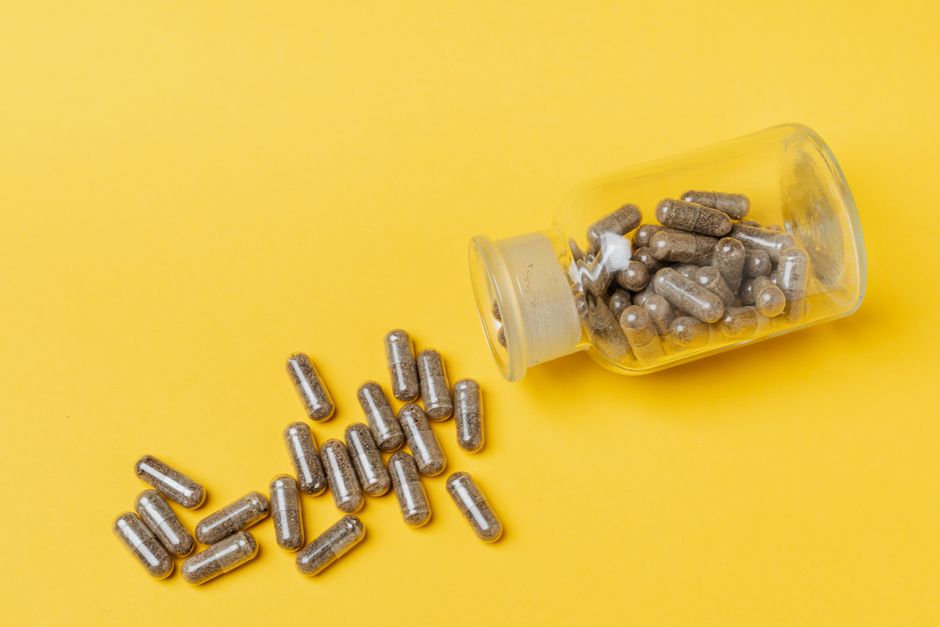
Rhodiola rosea has earned recognition for its ability to enhance stress resilience while reducing anxiety symptoms. This hardy Arctic plant contains rosavins and salidroside, compounds that help regulate the production of stress hormones. Studies indicate that rhodiola can improve anxiety-related symptoms within just two weeks of consistent use, making it particularly valuable for acute stress periods.
Holy Basil (Ocimum tenuiflorum) offers profound anxiety relief through its ability to modulate cortisol rhythms. Unlike other adaptogens that primarily work during times of stress, holy basil helps establish healthy circadian patterns, leading to improved sleep quality and reduced morning anxiety. Its ursolic acid content also supports neurotransmitter balance.
Schisandra chinensis provides unique benefits for anxiety accompanied by mental fatigue. This five-flavor berry contains lignans that support liver function while promoting mental clarity and emotional stability. Traditional Chinese Medicine has long valued schisandra for its ability to calm the spirit while maintaining alertness.
Scientific Evidence Supporting Adaptogen Use
The scientific validation of adaptogens for anxiety continues to grow stronger. A comprehensive review published in Pharmaceuticals analyzed multiple randomized controlled trials and found consistent evidence for adaptogens' anxiolytic effects. Participants using adaptogen supplements showed significant improvements in anxiety scores, sleep quality, and overall stress perception compared to placebo groups.

One particularly compelling study examined ashwagandha's effects on chronically stressed adults. After eight weeks of supplementation, participants experienced a 27% reduction in morning cortisol levels and a 44% reduction in perceived stress scores. These improvements were accompanied by better sleep quality and enhanced overall well-being, demonstrating adaptogens' comprehensive approach to anxiety management.
Neuroimaging studies have also revealed how adaptogens influence brain function. Research shows that regular adaptogen use can increase activity in the prefrontal cortex—the brain region responsible for executive function and emotional regulation—while reducing hyperactivity in the amygdala, the brain's alarm center. This rebalancing effect helps explain why adaptogen users often report feeling more emotionally resilient and less reactive to stressors.
Integrating Adaptogens into Your Daily Routine
Successfully incorporating adaptogens for anxiety relief requires understanding optimal timing and dosing strategies. Unlike quick-acting medications, adaptogens work best when taken consistently over time, allowing their cumulative effects to build and establish new patterns of stress response.
Morning consumption often proves most effective, as this timing aligns with natural cortisol rhythms and provides foundational support throughout the day. Starting with lower doses and gradually increasing allows your body to adapt while minimizing any initial adjustment period. Most people begin noticing subtle improvements within the first week, with more significant changes emerging after 4-6 weeks of consistent use.
Quality matters significantly when choosing adaptogen supplements. Look for products that provide standardized extracts with verified concentrations of active compounds. Third-party testing for purity and potency ensures you're receiving therapeutic doses of the beneficial phytochemicals responsible for adaptogens' anti-anxiety effects.
For those seeking a comprehensive approach to stress management, Exuvital's carefully formulated supplements incorporate premium adaptogenic herbs alongside complementary nutrients that support overall wellness and emotional balance. Their commitment to transparency and quality ensures optimal bioavailability and effectiveness.
Lifestyle Synergies and Complementary Approaches
While adaptogens provide powerful support for anxiety management, their effectiveness increases when combined with stress-reducing lifestyle practices. Regular physical activity enhances adaptogen absorption while providing additional anxiety relief through endorphin release and improved sleep patterns. Even moderate exercise like walking or yoga can amplify adaptogens' calming effects.
Mindfulness practices create particularly powerful synergies with adaptogenic herbs. Research from the American Psychological Association demonstrates that combining meditation with adaptogen supplementation produces greater anxiety reduction than either approach alone. The herbs support the physiological aspects of stress response while mindfulness addresses the psychological components.
Sleep optimization represents another crucial element in maximizing adaptogens' anti-anxiety benefits. Many adaptogenic herbs naturally support healthy sleep patterns, but establishing consistent sleep hygiene practices—maintaining regular bedtimes, creating calming environments, and limiting evening screen time—enhances their effectiveness significantly.
Safety Considerations and Best Practices
Adaptogens generally demonstrate excellent safety profiles with minimal side effects when used appropriately. However, understanding individual variations and potential interactions ensures optimal results while maintaining safety. Some people may experience mild digestive upset when first introducing adaptogens, which typically resolves as the body adjusts.
Pregnancy, breastfeeding, and certain medical conditions may require modified approaches or professional guidance. Those taking medications for anxiety, depression, or other conditions should consult healthcare providers before adding adaptogenic supplements, as these herbs can potentially enhance or modify medication effects.
Starting slowly allows you to assess individual responses and identify the most effective adaptogens for your specific needs. Some people respond better to stimulating adaptogens like rhodiola, while others benefit more from calming varieties like ashwagandha. This personalized approach maximizes benefits while minimizing any unwanted effects.
Conclusion
Adaptogens represent a remarkable convergence of ancient wisdom and modern science, offering natural, effective support for anxiety management without the drawbacks of conventional approaches. Their unique ability to help the body adapt to stress while promoting long-term resilience makes them invaluable tools for navigating our increasingly demanding world.
The growing body of research supporting adaptogens' anxiolytic effects, combined with their excellent safety profiles and additional health benefits, positions these botanical allies as essential components of comprehensive wellness strategies. By supporting the body's natural stress response mechanisms rather than simply masking symptoms, adaptogens help create sustainable improvements in emotional well-being and overall quality of life.
As we continue advancing our understanding of stress, anxiety, and natural healing approaches, adaptogens stand out as powerful yet gentle allies in promoting mental health and emotional resilience. Their integration into daily wellness routines offers hope for those seeking natural alternatives to conventional anxiety management while supporting overall vitality and longevity. Furthermore, incorporating strategies like biohacking tips for improved cognitive function can complement the anxiety-reducing effects of adaptogens, fostering a holistic approach to well-being.