

Adaptogens for Stress: Nature's Answer to Modern Life Pressures
In our fast-paced world of 2026, stress has become an unwelcome constant companion for millions of people. While conventional approaches to stress management often focus on lifestyle changes or pharmaceutical interventions, a growing body of research points to an ancient solution: adaptogens. These remarkable plants have been used for centuries to help the body adapt to stress, and modern science is finally catching up to their potential.
Adaptogens are a unique class of herbs and mushrooms that help regulate the body's stress response system, particularly the hypothalamic-pituitary-adrenal (HPA) axis. Unlike stimulants that provide temporary energy followed by a crash, or sedatives that simply mask symptoms, adaptogens work by supporting the body's natural ability to maintain balance during challenging times.
Understanding How Adaptogens Work
The concept of adaptogens was first introduced by Russian scientist Nikolai Lazarev in 1947, but these powerful plants have been cornerstones of traditional medicine systems for millennia. What makes adaptogens special is their ability to be "smart" – they don't push your body in one direction or another, but rather help it find its natural equilibrium.

When we experience stress, our bodies release cortisol and other stress hormones through the HPA axis. This response is designed to be temporary, helping us deal with immediate threats. However, chronic activation of this system can lead to fatigue, anxiety, sleep disruption, and compromised immune function. Research published in the journal Pharmaceuticals demonstrates how adaptogens help modulate this stress response, supporting healthier cortisol patterns and promoting resilience.
Adaptogens work through multiple pathways simultaneously. They influence neurotransmitter activity, support mitochondrial function, and help regulate inflammatory responses. This multi-target approach makes them particularly effective for managing the complex, interconnected effects of chronic stress on the body and mind.
Key Adaptogenic Herbs for Stress Management
Several adaptogens have gained particular recognition for their stress-supporting properties, each offering unique benefits:
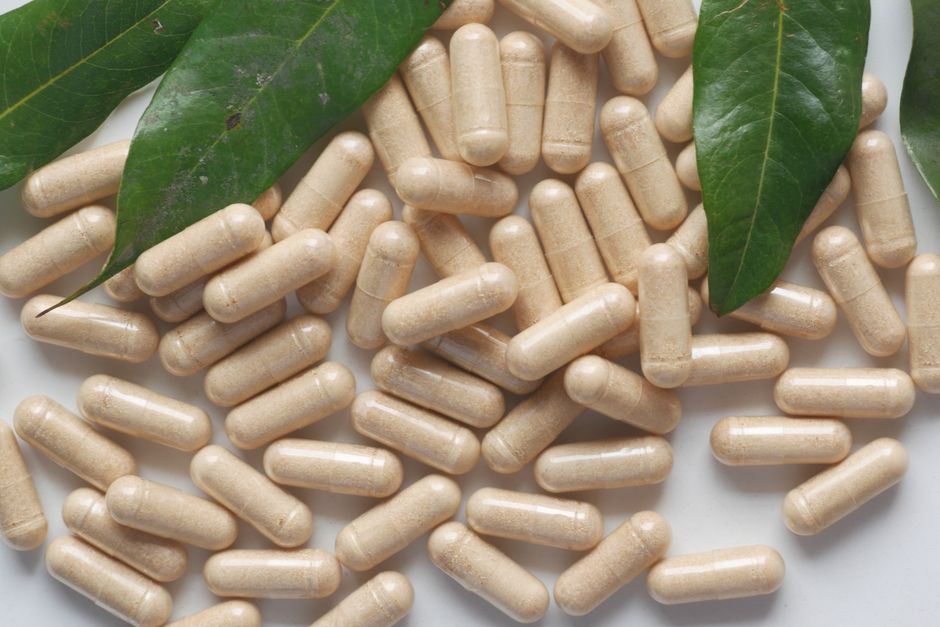
Ashwagandha is perhaps the most well-researched adaptogen for stress management. This ancient Ayurvedic herb has been shown to significantly reduce cortisol levels and improve stress-related symptoms. Studies indicate that regular ashwagandha supplementation can help improve sleep quality, reduce anxiety, and enhance overall well-being.
Rhodiola rosea, often called "golden root," has been traditionally used in Scandinavia and Russia to combat fatigue and enhance mental performance under stress. Modern research suggests it may help improve cognitive function during stressful periods and support healthy energy levels throughout the day.
Holy basil (Ocimum sanctum), revered in Ayurveda as "the elixir of life," offers gentle yet effective stress support. Unlike its culinary cousin, holy basil contains compounds that may help regulate cortisol levels and promote a sense of calm without drowsiness.
Schisandra berry, a staple of Traditional Chinese Medicine, is prized for its ability to support both mental clarity and stress resilience. The berry's unique combination of lignans and organic acids may help protect against stress-induced oxidative damage while supporting liver function.
The Science Behind Adaptogenic Benefits
Modern research has validated many traditional uses of adaptogens, revealing the sophisticated mechanisms behind their effects. A comprehensive review in the Journal of Ethnopharmacology highlights how adaptogens influence key stress-response pathways, including the regulation of heat shock proteins, nitric oxide, and various signaling molecules.

One of the most compelling aspects of adaptogen research is their ability to support what scientists call "stress-protective activity." This means they don't just help you feel better in the moment – they actually help build your body's resilience to future stressors. This protective effect appears to be cumulative, with benefits often becoming more pronounced with consistent use over time.
The neuroprotective properties of adaptogens are particularly noteworthy. Chronic stress can negatively impact brain structure and function, but certain adaptogens appear to support neuroplasticity and protect against stress-induced cognitive decline. This makes them valuable not just for immediate stress relief, but for long-term brain health and improved cognitive function.
Integrating Adaptogens into Your Daily Routine
The key to successful adaptogen use lies in consistency and quality. Unlike acute stress remedies, adaptogens work best when taken regularly over time, allowing your body to build resilience gradually. Most research suggests benefits become noticeable after 2-4 weeks of consistent use, with optimal effects often seen after 8-12 weeks.
Timing can be important depending on the specific adaptogen. Some, like ashwagandha, are often best taken in the evening due to their calming properties, while others like rhodiola may be more energizing and suitable for morning use. Starting with lower doses and gradually increasing allows you to assess your individual response and find your optimal dosage.
Quality matters tremendously with adaptogenic supplements. Look for products that provide standardized extracts with verified potency levels. Third-party testing for purity and contaminants is essential, as is transparency about sourcing and processing methods. The most effective adaptogen formulations often combine multiple herbs to create synergistic effects.
For those seeking premium adaptogenic support, Exuvital's carefully formulated supplements offer research-backed adaptogens in therapeutic dosages, with rigorous testing to ensure purity and potency. Their commitment to transparency and quality makes them a trusted choice for those serious about natural stress management.
Maximizing Adaptogenic Benefits
While adaptogens can be powerful allies in stress management, they work best as part of a comprehensive wellness approach. Combining adaptogenic supplementation with stress-reduction techniques like meditation, regular exercise, and adequate sleep creates a synergistic effect that amplifies benefits. In fact, optimizing your sleep can have a profound impact on overall health, including hormonal balance and stress resilience. For more on this, consider exploring our guide on optimizing sleep for hormonal balance and weight management.
Nutrition plays a crucial role in adaptogen effectiveness. A diet rich in whole foods, healthy fats, and adequate protein provides the building blocks your body needs to respond optimally to adaptogenic support. Avoiding excessive caffeine and processed foods can prevent interference with adaptogen mechanisms. Furthermore, it's vital to consider the role of antioxidants in preventing oxidative stress, which is often exacerbated during periods of chronic stress.
Individual responses to adaptogens can vary significantly based on factors like genetics, current stress levels, overall health status, and lifestyle factors. Recent research in Frontiers in Pharmacology emphasizes the importance of personalized approaches to adaptogen use, suggesting that what works best may depend on your unique biological makeup and circumstances.
Patience is essential when working with adaptogens. Unlike pharmaceutical interventions that often produce immediate but temporary effects, adaptogens support gradual, sustainable improvements in stress resilience. This gentle approach aligns with the body's natural healing processes and tends to produce more lasting benefits.
Safety Considerations and Future Directions
Adaptogens are generally well-tolerated by most people, but individual sensitivities can occur. Starting with single herbs rather than complex blends allows you to identify any potential reactions. Certain adaptogens may interact with medications or be contraindicated in specific health conditions, making consultation with a healthcare provider advisable, especially for those with existing health concerns.
Pregnancy and breastfeeding require special consideration, as safety data for many adaptogens during these periods is limited. Similarly, individuals with autoimmune conditions should exercise caution with certain adaptogens that may stimulate immune function.
The future of adaptogen research looks promising, with emerging studies exploring their potential in areas like cognitive enhancement, athletic performance, and healthy aging. As our understanding of these remarkable plants deepens, we're likely to see more targeted applications and refined formulation strategies.
Conclusion
Adaptogens represent a bridge between ancient wisdom and modern science, offering a natural approach to stress management that supports long-term resilience rather than just temporary relief. Their ability to help the body adapt to stress while supporting overall vitality makes them valuable tools for anyone looking to thrive in our demanding modern world.
The key to success with adaptogens lies in choosing high-quality products, maintaining consistency, and viewing them as part of a holistic approach to wellness. As research continues to unveil the sophisticated mechanisms behind their effects, adaptogens are poised to play an increasingly important role in preventive health and stress management strategies. Incorporating them into your routine, alongside other mindful practices, can be one of many daily habits for a longer, healthier life.
Whether you're dealing with work pressure, life transitions, or simply want to build greater resilience for whatever challenges may come, adaptogens offer a time-tested, science-backed path toward better stress management and enhanced well-being.