

Best Anti-aging Supplements vs Creams: Which Approach Works Better in 2026?
The anti-aging industry continues to evolve rapidly, with consumers increasingly faced with a fundamental choice: should they invest in topical creams or focus on supplements that work from within? Both approaches have their merits, but understanding how each method targets aging at different levels can help you make more informed decisions about your wellness routine.
As we navigate the complexities of modern aging, the debate between external and internal approaches to longevity has become more nuanced. While creams promise immediate visible results, supplements offer the potential for deeper, systemic changes that may contribute to overall vitality and well-being.
Understanding How Anti-Aging Supplements Work
Anti-aging supplements take a foundational approach to wellness by supporting your body's natural processes from within. Unlike topical treatments that work on the surface, supplements provide nutrients that can influence cellular health, collagen production, and oxidative stress management throughout your entire system.
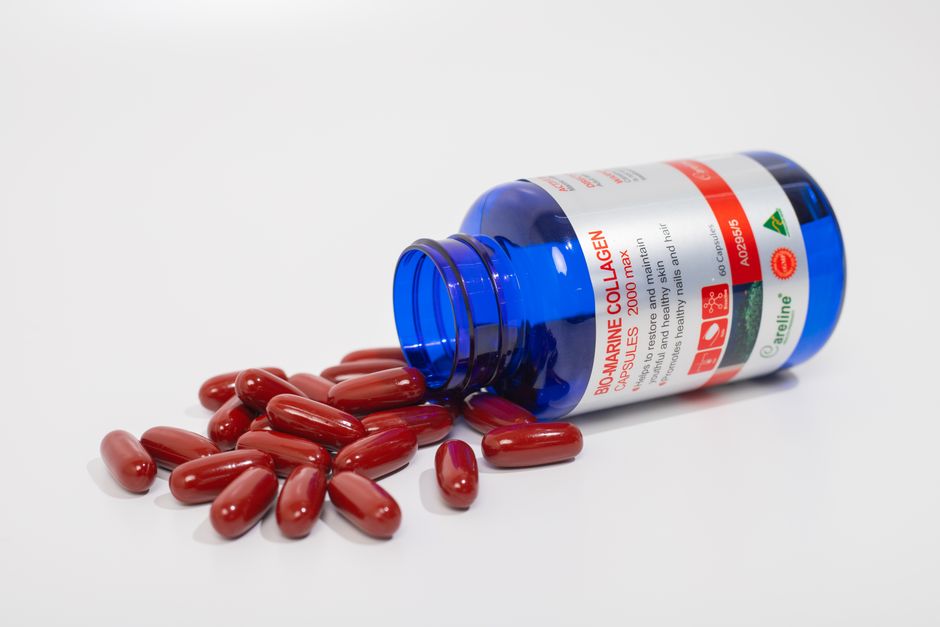
The most effective anti-aging supplements typically focus on several key areas:
- Antioxidant support to help combat free radical damage
- Collagen precursors that may support skin elasticity and joint health
- Cellular energy production through nutrients like CoQ10 and NAD+ precursors
- Inflammation management with compounds like omega-3 fatty acids and curcumin
Research from the National Center for Biotechnology Information suggests that certain nutrients can influence aging markers at the cellular level, potentially supporting overall longevity and vitality when combined with healthy lifestyle choices.
One advantage of the supplement approach is its comprehensive nature. While you're supporting skin health, you may also be benefiting bone density, cardiovascular function, and cognitive wellness simultaneously. This holistic approach aligns well with modern understanding of aging as a complex, interconnected process.
The Science Behind Anti-Aging Creams and Topicals
Anti-aging creams work through direct application to the skin, delivering active ingredients where you want to see immediate results. The skin serves as both a barrier and an absorption pathway, allowing certain molecules to penetrate and potentially influence local cellular processes.

Effective topical anti-aging ingredients typically include:
- Retinoids that may support skin cell turnover
- Peptides designed to signal collagen production
- Hyaluronic acid for moisture retention
- Vitamin C as an antioxidant and brightening agent
- Alpha hydroxy acids (AHAs) for surface exfoliation
The primary advantage of topical treatments is their targeted nature and often rapid visible effects. You can address specific concerns like fine lines around the eyes or uneven skin tone with precision. Additionally, the psychological benefit of a daily skincare ritual shouldn't be underestimated—the act of self-care itself can contribute to overall well-being.
However, topical treatments face limitations in terms of penetration depth and systemic impact. While they excel at addressing surface-level concerns, they may not influence the deeper biological processes that contribute to aging throughout the body.
Comparing Effectiveness: Short-term vs Long-term Results
When evaluating anti-aging approaches, timing plays a crucial role in determining perceived effectiveness. Topical treatments often provide more immediate visible results, which can be encouraging for maintaining consistency in your routine. You might notice improved skin texture, reduced appearance of fine lines, or better hydration within weeks of starting a quality cream regimen.

Supplements, on the other hand, typically require more patience. The benefits of internal anti-aging support may take several months to become apparent, as your body needs time to utilize nutrients for cellular repair and regeneration. However, these changes may be more profound and lasting when they do occur.
Research published in the Journal of Investigative Dermatology indicates that combining both approaches may yield superior results compared to using either method alone. This suggests that the most effective anti-aging strategy might involve both external care and internal support.
Consider your personal goals when choosing an approach. If you're preparing for a special event and want quick improvements in skin appearance, a high-quality cream regimen might be your priority. For long-term wellness and comprehensive aging support, supplements may provide more substantial benefits to your overall vitality and longevity.
Cost-Benefit Analysis: Investment vs Returns
The financial investment required for anti-aging approaches varies significantly between supplements and creams. High-end anti-aging creams can cost anywhere from $50 to $300+ per month, especially when using multiple products for different concerns. Premium supplements typically range from $30 to $100 monthly, depending on quality and formulation complexity.
However, cost-effectiveness extends beyond the initial price point. Consider these factors:
- Longevity of results: Supplement benefits may persist longer after discontinuation compared to topical treatments
- Multi-system benefits: Quality supplements often support multiple aspects of health simultaneously
- Usage efficiency: A single supplement serves your entire body, while you may need multiple creams for different areas
- Shelf life: Supplements typically have longer shelf lives than creams, reducing waste
When calculating true value, consider the breadth of benefits you receive. A comprehensive anti-aging supplement that supports energy, immune function, and cellular health alongside skin benefits may offer greater overall value than a cream that only targets surface-level concerns.
Safety Considerations and Potential Side Effects
Both supplements and topical treatments require careful consideration of safety and potential interactions. Topical products may cause skin irritation, especially when introducing active ingredients like retinoids or acids. It's essential to patch test new products and introduce them gradually to minimize adverse reactions.
Quality supplements from reputable manufacturers generally have excellent safety profiles when used as directed. However, it's important to consider potential interactions with medications and ensure you're not exceeding recommended dosages of fat-soluble vitamins or minerals.
The FDA provides guidelines for supplement safety, emphasizing the importance of choosing products from manufacturers that follow good manufacturing practices and provide transparent labeling.
Key safety considerations include:
- Reading ingredient lists carefully for known allergens
- Starting with lower doses when trying new supplements
- Consulting healthcare providers if you have underlying health conditions
- Choosing products with third-party testing when available
For optimal results and safety, many wellness enthusiasts find success in combining both approaches while prioritizing quality over quantity in their product selection.
Making the Right Choice for Your Lifestyle
Ultimately, the best anti-aging approach depends on your individual circumstances, goals, and preferences. Some people thrive with elaborate skincare routines and enjoy the ritual of applying various products. Others prefer the simplicity of taking daily supplements that support their overall wellness without requiring significant time investment.
Consider your lifestyle factors:
- Time availability: Do you have 20-30 minutes daily for a comprehensive skincare routine?
- Travel frequency: Supplements are generally easier to maintain while traveling
- Skin sensitivity: Some individuals may not tolerate active topical ingredients well
- Wellness philosophy: Do you prefer addressing health from the inside out or targeting specific visible concerns?
Many people find that starting with one approach and gradually incorporating the other allows them to determine what works best for their body and lifestyle. This methodical approach also makes it easier to identify which interventions are providing the most noticeable benefits.
Conclusion
The choice between anti-aging supplements and creams doesn't have to be an either-or decision. Both approaches offer unique benefits that can complement each other in a comprehensive wellness strategy. Topical treatments excel at providing immediate, visible improvements to skin appearance, while supplements support the deeper biological processes that influence how we age at the cellular level.
The most effective anti-aging approach likely involves understanding your personal goals, lifestyle constraints, and budget considerations. Whether you choose supplements, topical treatments, or a combination of both, consistency and quality should remain your primary focus. Remember that true anti-aging extends beyond appearance—it encompasses energy, vitality, and overall well-being that allows you to feel your best at any age.
As the field of longevity science continues to advance, staying informed about new research and maintaining realistic expectations will serve you well in your journey toward healthy aging. The investment you make in your wellness today can pay dividends in terms of how you look, feel, and function in the years to come.