

Do Greens Help You Lose Weight? the Science-backed Truth
When it comes to weight loss, leafy greens and green vegetables have long been touted as essential components of any successful diet plan. But do greens actually help you lose weight, or is this just another wellness myth? The answer is nuanced, but overwhelmingly positive. Incorporating more greens into your diet can indeed support weight loss efforts through multiple mechanisms, from boosting nutrient density to enhancing metabolic function.
Understanding how greens contribute to weight management requires looking beyond simple calorie counting. These nutritional powerhouses work synergistically with your body's natural processes to create an environment conducive to healthy, sustainable weight loss. Let's explore the science behind why greens deserve a prominent place on your plate if you're serious about shedding pounds.
The Nutritional Profile That Supports Weight Loss
Leafy greens like spinach, kale, arugula, and collard greens possess a unique nutritional composition that makes them ideal for weight loss. They're incredibly low in calories while being remarkably high in essential nutrients—a combination nutrition experts call "nutrient density." A full cup of raw spinach contains only about seven calories, yet provides significant amounts of vitamins A, C, and K, along with folate, iron, and fiber.

This high nutrient-to-calorie ratio means you can consume substantial portions of greens without significantly impacting your daily caloric intake. More importantly, these nutrients support the metabolic processes that govern how efficiently your body burns fat and maintains lean muscle mass. When your body receives adequate micronutrients, it functions optimally, making weight loss more achievable.
The fiber content in greens deserves special attention. Fiber not only aids digestion but also promotes satiety—the feeling of fullness that helps prevent overeating. When you feel satisfied after meals, you're less likely to reach for calorie-dense snacks between meals, making it easier to maintain a caloric deficit necessary for weight loss.
How Greens Impact Hunger and Satiety
One of the most practical ways greens help with weight loss is through their impact on hunger signals. The combination of water, fiber, and volume that greens provide works together to fill your stomach and trigger stretch receptors that signal fullness to your brain. This mechanical satiety happens before you've consumed excessive calories.
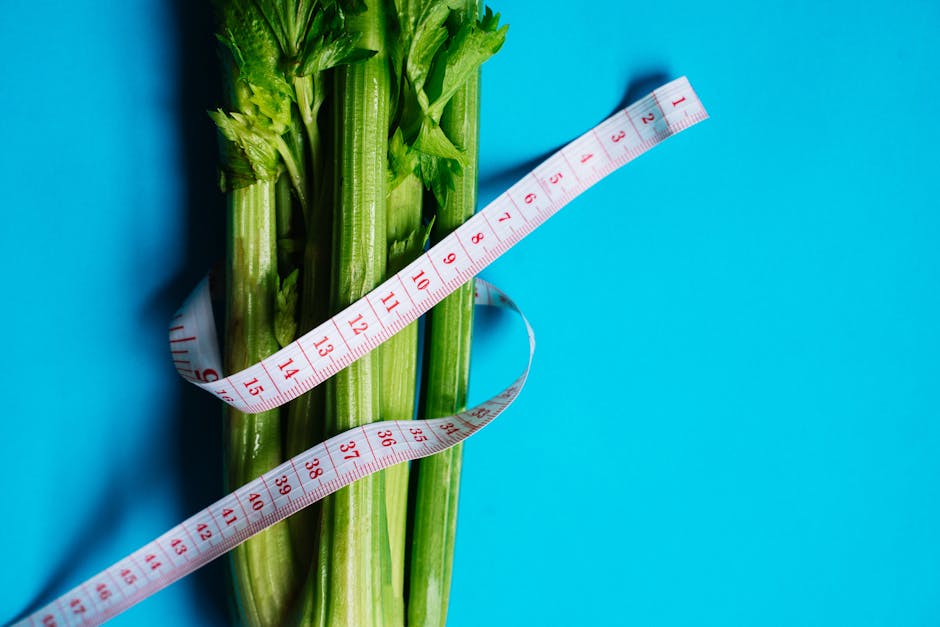
Research has shown that starting meals with a salad or incorporating greens into your main dishes can reduce overall calorie intake during that meal. The fiber in greens also slows gastric emptying, meaning food stays in your stomach longer, prolonging that feeling of fullness between meals.
Additionally, certain compounds found in dark leafy greens called thylakoids may help reduce cravings and promote feelings of satiety for hours after consumption. These membrane structures from chloroplasts have been studied for their potential to slow fat digestion, which can influence the release of satiety hormones and help control appetite throughout the day.
The practical application is straightforward: loading half your plate with greens at every meal creates natural portion control for more calorie-dense foods while ensuring you feel satisfied and nourished.
The Metabolic Benefits of Green Vegetables
Beyond their direct impact on calorie intake and satiety, greens may influence your metabolism in beneficial ways. Certain leafy greens are rich in nitrates, which the body converts to nitric oxide. This compound supports healthy blood flow and may enhance exercise performance, allowing you to burn more calories during physical activity as recommended by CDC physical activity guidelines.
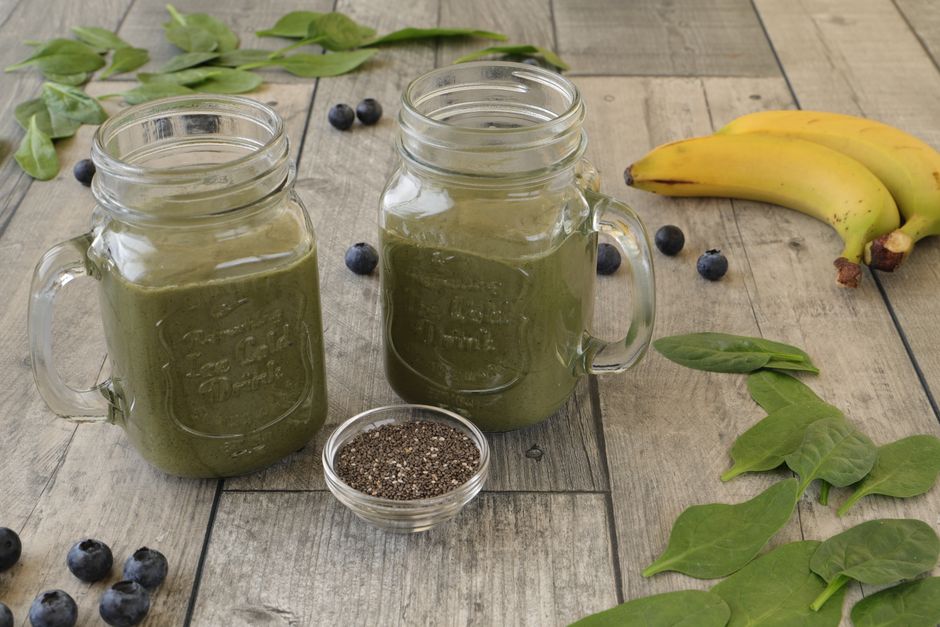
The magnesium content in greens like Swiss chard and spinach plays a crucial role in energy production and metabolism. Magnesium is involved in hundreds of enzymatic reactions in the body, including those that regulate blood sugar levels. Better blood sugar control means fewer insulin spikes, which can reduce fat storage and help your body access stored fat for energy more efficiently.
Green vegetables also have a low glycemic index, meaning they don't cause rapid spikes in blood sugar. Maintaining stable blood sugar levels throughout the day helps prevent energy crashes that lead to cravings for high-calorie, sugary foods. This metabolic stability is crucial for sustainable weight loss.
Furthermore, the antioxidants abundant in greens—including vitamins C and E, beta-carotene, and various polyphenols—help combat oxidative stress and inflammation. Chronic inflammation has been linked to metabolic dysfunction and difficulty losing weight, making the anti-inflammatory properties of greens particularly valuable.
Greens as Part of a Balanced Weight Loss Strategy
While greens are undeniably beneficial for weight loss, they work best as part of a comprehensive approach to healthy living. Simply adding greens to an otherwise poor diet won't produce dramatic results. Instead, greens should be integrated into a balanced eating pattern that includes lean proteins, healthy fats, whole grains, and other colorful vegetables.
The key is consistency and variety. Different greens offer different nutritional profiles. Kale provides exceptional vitamin C and calcium, while spinach is rich in iron and folate. Arugula offers unique phytonutrients with peppery flavor, and collard greens provide substantial fiber. Rotating through various greens ensures you receive a broad spectrum of beneficial compounds.
Preparation methods matter too. While raw greens in salads are excellent, lightly cooking greens like spinach and kale can actually increase the bioavailability of certain nutrients while reducing their volume, making it easier to consume larger quantities. Steaming, sautéing with a small amount of olive oil, or adding greens to soups and smoothies are all effective strategies.
Combining greens with other lifestyle factors amplifies their weight loss benefits. Getting adequate sleep, as emphasized by experts at the Sleep Foundation, supports the hormonal balance necessary for weight management. Regular physical activity, following guidance from resources like the NHS exercise recommendations, maximizes the metabolic advantages that greens provide.
Common Mistakes and How to Avoid Them
Despite the benefits of greens, people often make mistakes that limit their effectiveness for weight loss. One common error is drowning salads in high-calorie dressings, cheese, and croutons. A salad loaded with these additions can contain more calories than a burger. Instead, use vinegar-based dressings, a sprinkle of nuts or seeds for healthy fats, and lean proteins like grilled chicken or chickpeas.
Another mistake is relying exclusively on greens while severely restricting calories. This approach isn't sustainable and can lead to nutrient deficiencies, muscle loss, and metabolic slowdown. Greens should enhance a balanced diet, not replace entire food groups.
Some individuals also experience digestive discomfort when dramatically increasing their green vegetable intake too quickly. The high fiber content can cause bloating and gas if your system isn't accustomed to it. Start with moderate portions and gradually increase your intake over several weeks, allowing your digestive system to adapt.
Finally, don't fall into the trap of thinking all green foods are equally beneficial. Green juices and smoothies can be healthy, but they often lack the fiber of whole greens and may include high-sugar fruits that diminish the blood sugar benefits. When possible, choose whole greens over processed green products.
Practical Tips for Incorporating More Greens Daily
Making greens a regular part of your diet doesn't have to be complicated. Start your day by adding a handful of spinach to your morning omelet or smoothie—you won't taste it among fruit and protein powder, but you'll get the nutritional benefits. Prep salad greens at the beginning of the week so they're ready to grab for quick lunches.
Keep frozen greens on hand for convenience. Frozen spinach, kale, and collards are nutritionally comparable to fresh varieties and can be easily added to soups, stews, casseroles, and pasta dishes. They're also typically more affordable and reduce food waste since they won't spoil quickly.
Experiment with greens in unexpected places. Add arugula or spinach to sandwiches and wraps. Stir kale into grain bowls. Use lettuce leaves as low-calorie wraps for tacos or burgers. The more creative you get, the easier it becomes to meet the recommendation of filling half your plate with vegetables at each meal.
Consider growing simple greens like lettuce or arugula at home, even in small spaces. Fresh greens from your own garden or windowsill can increase your motivation to consume them regularly while providing the freshest, most nutrient-dense options possible.
Conclusion
So, do greens help you lose weight? The evidence strongly suggests they do, through multiple complementary mechanisms. Their exceptional nutrient density, high fiber content, low calorie count, and beneficial effects on satiety and metabolism make them valuable allies in any weight loss journey. However, greens aren't a magic solution—they work best when integrated into a holistic approach that includes balanced nutrition, regular physical activity, adequate sleep, and stress management.
The beauty of greens is that they support weight loss while simultaneously enhancing overall health and longevity. By making leafy greens and green vegetables a dietary staple, you're not just working toward a number on the scale; you're investing in sustainable wellness that extends far beyond weight management. Start small, build consistency, and let these nutritional powerhouses support your journey toward feeling your best every day. And remember, sometimes, additional help can come from dietary supplements that actually work, but always prioritizing whole foods is key.