

Factors Affecting Bioavailability of Nutrients
Understanding bioavailability—the proportion of a nutrient that enters circulation and becomes active in the body—is crucial for anyone serious about optimizing their wellness. You can consume the finest supplements or the most nutrient-dense foods, but if your body cannot absorb and utilize those nutrients effectively, you're leaving health benefits on the table. In 2026, as personalized nutrition continues to evolve, knowing what influences nutrient bioavailability empowers you to make smarter choices for energy, immunity, cognition, and vitality.
What Bioavailability Really Means
Bioavailability refers to the fraction of an ingested nutrient that reaches systemic circulation unchanged and is available for use or storage. It's not just about what you eat or supplement with—it's about what your body can actually use. Nutrients must survive digestion, cross intestinal barriers, avoid first-pass metabolism in the liver, and reach target tissues. Factors ranging from food form and nutrient interactions to your individual physiology all play a role in this complex process.

For example, vitamin C from fresh citrus has high bioavailability, while certain plant-based iron sources are poorly absorbed unless paired with enhancers like ascorbic acid. When selecting supplements designed to support weight management, cognition, or sexual vitality, understanding bioavailability ensures you choose formulations that deliver real results rather than expensive waste products. To determine if supplements really work for you, consider these principles carefully.
Nutrient Form and Chemical Structure
The chemical form of a nutrient profoundly impacts how well your body absorbs it. Minerals like magnesium and zinc come in various forms—citrate, oxide, chelate, picolinate—each with different absorption profiles. Chelated minerals, bound to amino acids, often demonstrate superior bioavailability because they mimic the body's natural transport mechanisms.

Fat-soluble vitamins (A, D, E, K) require dietary fat for optimal absorption, which is why quality supplement formulations often include these nutrients in oil-based capsules. Water-soluble vitamins like B-complex and vitamin C are absorbed differently, though excess amounts are typically excreted rather than stored. The distinction matters when timing supplementation around meals or other nutrients.
Premium formulations account for these bioavailability factors. Quality manufacturers select nutrient forms based on scientific evidence rather than cost alone, ensuring that each ingredient can actually reach the tissues where it's needed—whether supporting metabolism, cognitive function, or immune defense. For more on how cellular energy impacts this, explore Energy and Mitochondria: the Cellular Powerhouses.
Food Matrix and Nutrient Interactions
Nutrients don't exist in isolation. The food matrix—the physical structure and chemical composition of whole foods—significantly influences bioavailability. Lycopene from cooked tomatoes is more bioavailable than from raw tomatoes because heat breaks down cell walls. Conversely, some nutrients degrade with cooking, creating a balancing act in food preparation.
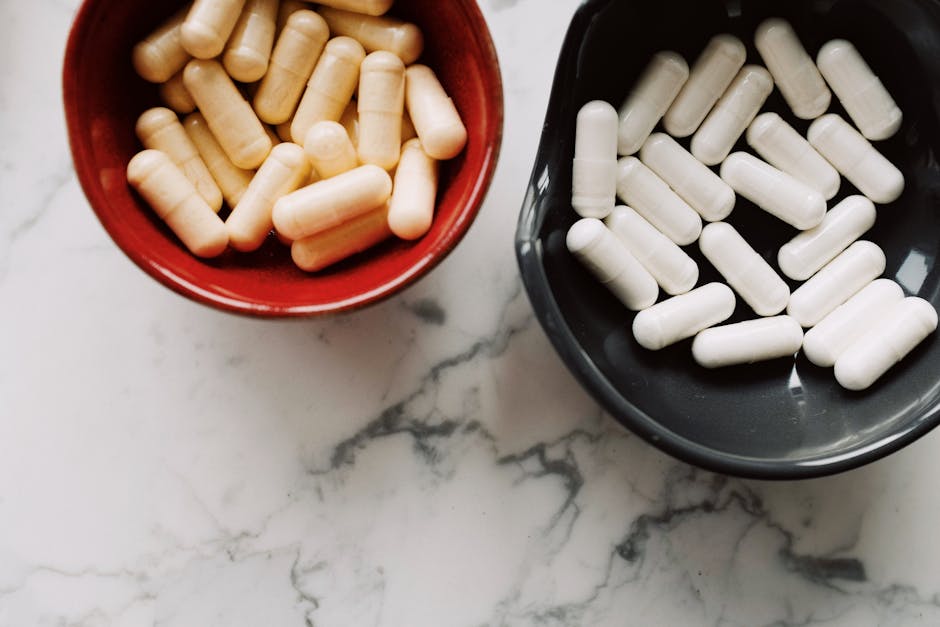
Synergistic and antagonistic interactions between nutrients matter enormously. Iron absorption increases dramatically when paired with vitamin C but decreases in the presence of calcium, phytates, or tannins from tea and coffee. Vitamin D enhances calcium absorption, while excessive zinc intake can interfere with copper status. These interactions become particularly important when combining multiple supplements or timing them with meals.
For those using targeted supplements like Exuvital's specialized formulations, understanding these interactions helps you schedule intake appropriately—some nutrients work best with food, others on an empty stomach, and some should be separated from competing compounds by several hours.
Individual Digestive Health and Physiology
Your digestive health serves as the gatekeeper for nutrient bioavailability. Stomach acid, digestive enzymes, bile production, intestinal integrity, and gut microbiome composition all influence how effectively you break down and absorb nutrients. Age-related declines in stomach acid production can reduce absorption of vitamin B12, iron, and calcium. Conditions affecting gut integrity may compromise absorption across the board.
The gut microbiome plays an increasingly recognized role. Beneficial bacteria synthesize certain vitamins, break down complex compounds into absorbable forms, and influence intestinal permeability. Dysbiosis—an imbalanced microbiome—can reduce bioavailability of multiple nutrients while promoting inflammation that further impairs absorption.
Individual genetic variations also matter. Polymorphisms in genes affecting nutrient metabolism, such as MTHFR variants influencing folate conversion, mean that some people require specific nutrient forms (like methylfolate instead of folic acid) for optimal utilization. As nutrigenomics advances, personalized approaches to supplementation based on genetic profiles become increasingly accessible and relevant.
Processing, Storage, and Delivery Systems
How nutrients are processed, stored, and delivered affects their stability and bioavailability. Heat, light, oxygen, and time degrade many vitamins. Vitamin C and B vitamins are particularly vulnerable to degradation during storage and food processing. This is why fresh, minimally processed whole foods often provide superior nutrition compared to highly processed alternatives.
Advanced supplement technologies address bioavailability challenges through innovative delivery systems. Liposomal encapsulation protects sensitive nutrients while enhancing absorption by mimicking cell membrane structure. Time-release formulations provide sustained nutrient delivery, preventing saturation of absorption pathways and maintaining more stable blood levels. Enteric coatings protect certain nutrients from stomach acid degradation, ensuring they reach the small intestine intact.
Quality matters tremendously in supplement manufacturing. Premium brands invest in stability testing, appropriate packaging, and proper storage recommendations. They also formulate products with bioavailability in mind—selecting ingredient forms, combining synergistic nutrients, and using delivery technologies that maximize absorption rather than simply meeting label claims. For advanced strategies to support your well-being, explore Energy Level Improvement Therapies.
Lifestyle Factors and Timing
Your daily habits significantly influence nutrient bioavailability. Regular physical activity enhances circulation and may improve nutrient delivery to tissues. According to the CDC's physical activity guidelines, consistent exercise supports overall metabolic health, which in turn affects how efficiently your body processes and utilizes nutrients.
Chronic stress elevates cortisol, which can impair gut integrity, reduce stomach acid production, and deplete certain nutrients like magnesium and B vitamins. Poor sleep disrupts metabolic processes and hormonal balance that govern nutrient absorption and utilization. As research from the Sleep Foundation demonstrates, quality sleep is foundational to metabolic health and optimal physiological function.
Timing of nutrient intake matters. Some nutrients compete for absorption when taken together, while others enhance each other's bioavailability. Fat-soluble vitamins should accompany meals containing dietary fat. Calcium and iron are better absorbed separately. Certain nutrients like magnesium may support relaxation when taken in the evening, while B vitamins may provide energy support earlier in the day.
Hydration status affects nutrient transport and cellular uptake. Adequate water intake supports blood volume, facilitates nutrient dissolution and transport, and maintains the fluid environment necessary for cellular processes. Dehydration can compromise nutrient delivery to tissues even when intake is adequate. To understand more about holistic approaches to health, consider reading about Eusocial Living for Better Health & Vitality.
Optimizing Bioavailability for Better Results
Maximizing nutrient bioavailability requires a comprehensive approach. Start with whole, minimally processed foods as your foundation—they provide nutrients in naturally balanced forms within beneficial food matrices. When supplementation supports specific health goals, choose quality formulations that prioritize bioavailable ingredient forms and appropriate dosing.
Support your digestive health through probiotic-rich foods, adequate fiber, stress management, and mindful eating practices. Time your supplements strategically based on nutrient characteristics—fat-soluble vitamins with meals containing healthy fats, minerals separated from competing nutrients, and amino acids on an empty stomach when targeting specific outcomes.
Stay consistent with physical activity and prioritize quality sleep, as both fundamentally influence metabolic efficiency and nutrient utilization. Manage stress through proven techniques, as chronic stress undermines digestive function and depletes specific nutrients. Stay adequately hydrated to support nutrient transport throughout your body.
Conclusion
Bioavailability determines whether the nutrients you consume actually contribute to your wellness goals or simply pass through your system unused. By understanding the factors that influence absorption—from nutrient form and food interactions to digestive health and lifestyle habits—you can make informed choices that maximize the return on your nutritional investments. Whether supporting energy, cognition, weight management, or vitality, selecting high-quality, bioavailable formulations and creating conditions for optimal absorption ensures that your commitment to wellness translates into tangible results. In 2026's increasingly sophisticated wellness landscape, bioavailability represents the difference between supplementation that works and supplementation that disappoints.