

Herbal Remedies for Stress Relief
Stress has become one of the defining challenges of modern life. Whether triggered by work pressure, financial worries, or the relentless pace of daily responsibilities, chronic stress affects both mental clarity and physical health. While conventional approaches often lean toward pharmaceutical interventions, many health-conscious individuals are turning to herbal remedies as a gentler, time-tested path to resilience and calm. These botanicals, used for centuries across diverse healing traditions, offer supportive benefits that help the body adapt to stressors without the side effects often associated with synthetic medications.
Understanding how specific herbs interact with our nervous and endocrine systems provides a foundation for making informed wellness choices. From adaptogenic roots that support cortisol balance to calming flowers that ease nervous tension, herbal stress relief represents a holistic approach that honors both ancestral wisdom and emerging scientific research.
Understanding Stress and the Body's Response
When we encounter stress, the body initiates a cascade of hormonal responses. The hypothalamic-pituitary-adrenal axis activates, releasing cortisol and adrenaline to prepare us for immediate challenges. While this mechanism served our ancestors well during physical threats, modern stressors tend to be chronic and psychological, keeping the stress response perpetually engaged. This prolonged activation can compromise immune function, disrupt sleep patterns, impair digestion, and even affect metabolic health.

Regular physical activity plays a critical role in managing stress hormones. According to the CDC's physical activity guidelines, adults should aim for at least 150 minutes of moderate-intensity aerobic activity weekly, combined with muscle-strengthening exercises. Movement helps metabolize stress hormones while stimulating the production of endorphins, our natural mood elevators.
Herbal remedies complement these lifestyle practices by offering botanical compounds that modulate stress pathways, support neurotransmitter balance, and nourish the adrenal glands. Unlike quick fixes, these remedies work synergistically with the body's innate healing mechanisms to build long-term resilience.
Adaptogens: Nature's Stress Managers
Adaptogens represent a unique category of herbs that help the body adapt to physical, chemical, and biological stressors. These remarkable botanicals work by normalizing physiological functions, supporting homeostasis regardless of the direction of imbalance. Rather than forcing a specific response, adaptogens help calibrate the stress response system itself.

Ashwagandha, an ancient Ayurvedic herb, stands among the most researched adaptogens for stress management. This root helps moderate cortisol levels while supporting energy production at the cellular level. Its bioactive compounds, including withanolides, appear to exert calming effects on the nervous system while simultaneously supporting physical stamina and mental clarity. Many individuals report improved sleep quality and reduced anxiety when incorporating ashwagandha into their daily routine.
Rhodiola rosea has been used for centuries in Scandinavian and Russian traditional medicine to enhance endurance and reduce fatigue. This adaptogen appears to influence key neurotransmitters including serotonin and dopamine, potentially supporting mood stability during demanding periods. Rhodiola may be particularly beneficial for those experiencing stress-related mental fog or difficulty concentrating.
Holy basil, known as tulsi in Ayurvedic tradition, offers both adaptogenic and antioxidant properties. This aromatic herb supports the body's response to metabolic stress while promoting a sense of calm alertness. Holy basil can be enjoyed as a tea or taken in capsule form as part of a comprehensive stress-management protocol.
For those seeking broader wellness support that includes stress resilience, exploring Exuvital's full range of premium formulations may reveal complementary options that address multiple dimensions of health simultaneously.
Calming Herbs for Nervous System Support
While adaptogens help the body manage stress over time, certain herbs offer more immediate calming effects by directly supporting the nervous system. These gentle botanicals can be particularly helpful during acute stress episodes or when preparing for restful sleep.
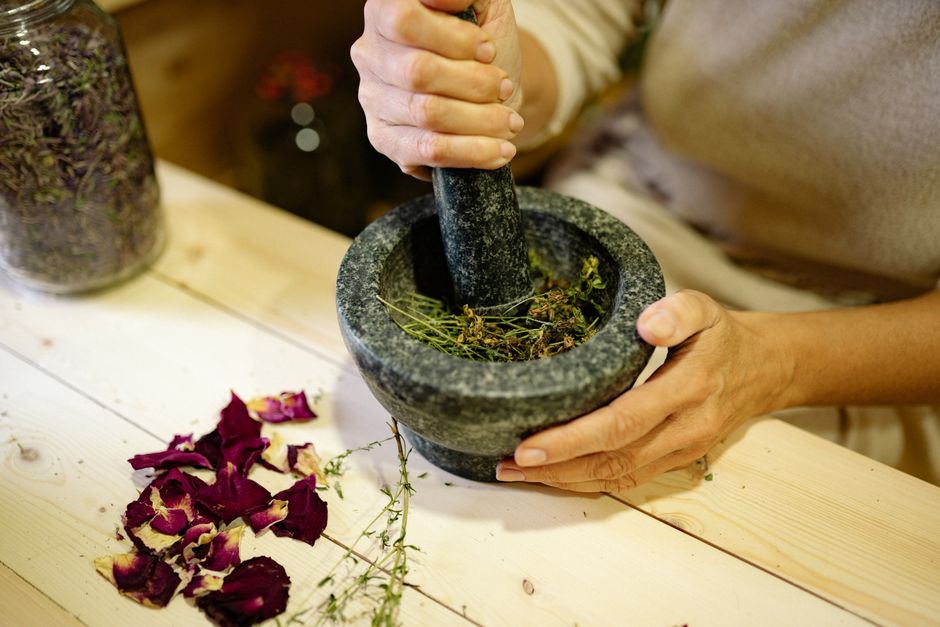
Chamomile has earned its reputation as a soothing herb through both tradition and research. The flavonoid apigenin, found abundantly in chamomile flowers, binds to specific receptors in the brain that promote relaxation. A warm cup of chamomile tea serves as both a calming ritual and a delivery system for stress-relieving compounds. This herb is generally well-tolerated and can be used regularly without concern for dependency.
Passionflower was traditionally used by indigenous peoples of the Americas and later adopted by European herbalists. This climbing vine produces compounds that may increase gamma-aminobutyric acid levels in the brain, promoting a sense of calm without sedation. Passionflower appears particularly useful for stress that manifests as restlessness or racing thoughts.
Lemon balm, a member of the mint family, combines gentle anxiolytic properties with pleasant flavor. This herb has been shown to support cognitive performance under stress while simultaneously reducing feelings of nervousness. Lemon balm can be taken as a tea, tincture, or standardized extract.
Quality sleep remains fundamental to stress resilience. The Sleep Foundation emphasizes that adults require seven to nine hours of quality sleep nightly to support optimal cognitive function and emotional regulation. Calming herbs can support this essential recovery process when combined with good sleep improvement practices.
Energizing Adaptogens That Combat Stress Fatigue
Chronic stress often leads to exhaustion, creating a paradoxical state where we feel simultaneously wired and depleted. Certain herbs address this pattern by supporting sustained energy production while helping the body adapt to ongoing demands.
Maca root, a Peruvian staple crop cultivated high in the Andes Mountains, has been valued for centuries for its energizing and hormone-balancing properties. This nutrient-dense root contains unique compounds called macamides and macaenes that may support endocrine health and vitality. Maca appears to help maintain energy levels without the jittery effects associated with stimulants, making it suitable for individuals managing stress-related fatigue. Maca Plus 3X offers a concentrated formulation designed to support energy and overall vitality through this time-tested botanical.
Cordyceps, a fascinating fungus used in traditional Chinese medicine, supports cellular energy production and oxygen utilization. This adaptogen may help combat the physical exhaustion that accompanies prolonged stress while supporting respiratory and cardiovascular function. Cordyceps demonstrates how certain natural compounds can address multiple body systems simultaneously.
The Energy and Sexual Vitality collection includes formulations that combine energizing botanicals with comprehensive wellness support, recognizing that stress affects multiple dimensions of health including libido and intimate wellness.
Incorporating Herbal Stress Relief Into Daily Life
The effectiveness of herbal remedies depends significantly on consistency and quality. Unlike pharmaceutical interventions that often work immediately, botanical stress support typically requires regular use over weeks to achieve optimal benefits. This gradual approach allows herbs to work with the body's natural healing rhythms rather than forcing immediate changes.
Quality matters profoundly when selecting herbal products. Look for manufacturers that provide third-party testing, transparent sourcing information, and standardized extracts when appropriate. Exuvital's commitment to purity and transparency ensures that each formulation delivers consistent, premium-quality botanical compounds without unnecessary fillers or questionable additives.
Timing and dosage influence outcomes. Energizing adaptogens like maca and rhodiola are typically taken in the morning or early afternoon, while calming herbs such as chamomile and passionflower are better suited for evening use. Some adaptogens like ashwagandha demonstrate flexibility and can be taken at any time, though individual responses vary.
Combination approaches often yield superior results compared to single herbs. Thoughtfully formulated blends leverage the synergistic effects of complementary botanicals. For example, combining adaptogens that support cortisol regulation with calming nervines that ease acute tension creates comprehensive stress support addressing both immediate and long-term needs.
Lifestyle Integration for Enhanced Results
Herbal remedies demonstrate their greatest potential when integrated into a holistic wellness approach. While botanicals offer valuable support, they work best alongside fundamental health practices including adequate sleep, nutrient-dense nutrition, regular movement, and meaningful stress-reduction techniques.
Mind-body practices such as meditation, deep breathing exercises, and gentle yoga complement herbal stress relief by directly engaging the parasympathetic nervous system. Even brief daily sessions of conscious breathing can shift the body from stress response to recovery mode, allowing herbal compounds to work more effectively.
Social connection and purposeful activities provide psychological resilience that herbal remedies cannot replace but can certainly support. Building a comprehensive approach that addresses physical, mental, emotional, and social dimensions of wellness creates the foundation for lasting stress resilience.
For individuals managing multiple wellness priorities, exploring Metabolism and Weight Management solutions alongside stress-relief strategies may be valuable, as chronic stress significantly impacts metabolic health and appetite regulation.
Conclusion
Herbal remedies for stress relief offer a bridge between ancient botanical wisdom and modern wellness needs. Whether through the adaptogenic support of ashwagandha and maca, the calming influence of chamomile and passionflower, or energizing formulations that combat stress-related fatigue, these natural compounds provide gentle yet effective tools for building resilience. By choosing premium, transparently sourced botanical products and integrating them into a comprehensive wellness approach, individuals can support their body's innate capacity to navigate stress with greater ease and vitality. The path to sustained calm and energy begins with informed choices, consistent practices, and respect for both the wisdom of traditional healing and the rigor of modern quality standards.