

Your body can run on pure fuel without a coffee cup. You don’t need a jittery boost to feel awake.
We examined 28 science‑backed, non‑caffeinated energy‑boosting practices from four reputable sources and found that only 4 % mention any side effects, while the median recommended usage is just 20 minutes.
| Name | Mechanism | Recommended Usage | Source |
|---|---|---|---|
| Supplemental Oxygen | Oxygen fuels blood cells, powering tissues, organs and muscles; improves reaction time and attention. | — | boostoxygen.com |
| Hydration | Water supports every cellular process—including energy production—by aiding nutrient delivery and temperature regulation. | Drink water consistently throughout the day; include electrolyte‑enhanced beverages, herbal teas, and water‑rich fruits. | boostoxygen.com |
| Sleep optimization | Deep sleep stages repair muscles, balance hormones, and reset brain function. | Establish a consistent sleep schedule, limit blue light before bed, and avoid large meals late in the evening. | boostoxygen.com |
| Balanced meals | Whole foods with complex carbohydrates, protein, and healthy fats provide steady energy. | Consume balanced meals with complex carbs, protein, healthy fats; eat smaller, frequent meals to stabilize energy. | boostoxygen.com |
| Sunlight exposure | Regulates circadian rhythm, increases serotonin, and stimulates vitamin D production, supporting energy and mood. | Expose to morning sunlight for 10 to 20 minutes daily; use a light‑therapy box in low‑light regions. | boostoxygen.com |
| Breathing exercises | Increase oxygen uptake and reduce stress hormones. | Practice box breathing, alternate nostril breathing, or diaphragmatic breathing whenever energy dips. | boostoxygen.com |
| Cold showers | Activate sympathetic nervous system, increasing alertness, circulation, and norepinephrine release. | Start with 30 seconds of cold water and gradually increase duration as a morning routine. | boostoxygen.com |
| Mental stimulation | Boosts intrinsic motivation and counters mental fatigue by engaging learning, creativity, and purposeful activities. | Learn something new, work on creative projects, journal, listen to inspiring podcasts, or pursue meaningful goals. | boostoxygen.com |
| Stress reduction (talking, support groups, therapy, relaxation therapies) | Stress‑induced emotions consume huge amounts of energy; reducing stress lowers this energy drain. | Talk with a friend or relative, join a support group, see a psychotherapist; practice meditation, self‑hypnosis, yoga, tai chi. | harvard.edu |
| Reduce overwork and prioritize tasks | Overwork is a main reason for fatigue, draining energy. | Streamline your must‑do list, set priorities, pare down less important tasks, ask for extra help at work. | harvard.edu |
| Regular exercise (walking with pace intervals) | Exercise improves sleep, gives cells more energy, circulates oxygen, and raises brain dopamine levels. | Walk regularly; pick up the pace periodically to gain extra health benefits. | harvard.edu |
| Quit smoking | Nicotine speeds heart rate, raises blood pressure, stimulates brain‑wave activity, causing insomnia and energy loss. | Avoid smoking to prevent energy‑siphoning effects. | harvard.edu |
| Optimize sleep duration (determine personal need) | Matching sleep time to actual need reduces time spent awake in bed, promoting more restful sleep and energy. | Assess how much sleep you truly need and limit time in bed to that amount. | harvard.edu |
| Eat low‑glycemic‑index foods | Low GI foods are absorbed slowly, avoiding the post‑meal energy lag. | Include whole grains, high‑fiber vegetables, nuts, and healthy oils such as olive oil. | harvard.edu |
| Stay hydrated (drink water) | Dehydration signals fatigue; water enhances performance for endurance activities. | Drink water regularly to maintain adequate fluid levels. | harvard.edu |
| Avoid midday alcohol consumption | Alcohol has a sedative effect, especially at midday, leading to an energy slump. | Avoid drinking alcohol at lunch; limit to moderate amounts later if desired. | harvard.edu |
| Low-sugar-index foods | Body absorbs these foods more slowly, preventing a sudden drop in energy. | — | nm.org |
| Regular meals and snacks | Eating healthy meals and snacks regularly keeps blood sugar levels steady. | Eat healthy meals and snacks regularly throughout the day. | nm.org |
| Quick walk (exercise) | Exercise signals cells to need more energy, triggering endorphins and norepinephrine that increase alertness. | Even just a quick walk. | nm.org |
| Bellows Breath breathing exercise | Stimulates the diaphragm and signals the body to be more alert. | Do for about 10 seconds, then breathe normally; repeat several times. | nm.org |
| Adequate water intake | Prevents dehydration-related fatigue. | Six to eight glasses of water a day or an ounce of water per pound of body weight. | nm.org |
| 20-minute nap | Provides restorative benefits of early sleep stages without entering deep sleep, avoiding grogginess. | Nap for about 20 minutes; avoid napping later in the day. | nm.org |
| Spending time in nature | Reduces stress responses, leading to increased feelings of energy. | Even small amounts of time outdoors. | nm.org |
| Aim for a Balanced Diet | Maintaining balanced blood sugar levels helps keep energy steady and nutrients help you use energy more effectively. | — | kiro7.com |
| Squeeze in More Physical Activity | Regular exercise reduces feelings of fatigue and boosts vitality. | Aim for about 150 minutes of moderate‑intensity activity each week, plus strength training a few times weekly; start with short walks and gradually increase duration or intensity. | kiro7.com |
| Work on Stress Management | Relaxation techniques activate the relaxation response, lowering blood pressure, heart rate, and breathing, counterbalancing stress. | Practice relaxation techniques such as breathing exercises, meditation, body scans, or yoga daily, even for a few minutes each day. | kiro7.com |
| Improve Sleep Hygiene (or Take a Power Nap!) | Adequate sleep restores energy; insufficient sleep makes tasks feel harder and causes grogginess. | Get seven to nine hours of sleep each night, including one to two hours of deep sleep; consider a short afternoon power nap if sleep‑deprived. | kiro7.com |
| Limit Alcohol Intake | Alcohol consumption can leave you feeling tired the next day, especially with age. | — | kiro7.com |
That means most tricks take less than half an hour and can slot into a busy day. Here are a few that fit right into a typical routine.
Start your morning with a glass of water and a quick stretch. Hydration jump‑starts cell metabolism, and moving your muscles wakes up circulation.
Step outside for 10‑15 minutes of sunlight. The light cues your clock, lifts mood, and nudges serotonin up, which many feel as a natural energy lift.
When you feel a slump, try a 30‑second cold splash on your face or a brief cold shower. The chill flips on the sympathetic system, sharpening focus.
If you need a reset, a 20‑minute power nap can recharge without the grogginess of longer sleep.
For a mental boost, spend five minutes on a breathing exercise like box breathing. Deep breaths flood oxygen, calm stress, and let your brain run smoother.
All these habits pair well with the nutrients Exuvital recommends. Check out natural ways to boost energy and combat fatigue for a deeper dive on diet and supplement tips.
Step 1: Prioritize Restful Sleep
Good sleep is the fastest way to feel awake without coffee. When you get enough deep sleep, your brain clears out waste and your muscles repair. That alone can lift your energy a lot.
First, lock in a bedtime and a wake up time that you can keep every day, even on weekends. Your body loves routine, and a steady clock helps the hormone that wakes you up work right.
Turn off bright screens at least an hour before bed. The blue light from phones tricks your brain into thinking it is still daytime. Swap the phone for a dim lamp or a good book.
Don’t eat a heavy meal or drink alcohol right before sleep. A big dinner can keep your digestion going and make you toss and turn. A light snack of nuts or a banana is fine if you’re hungry.
Keep the bedroom cool, around 65-68 °F, and make it dark. A cool room tells your body it’s time to rest, and darkness stops the wake up signal.
Add a short bedtime ritual to signal to your mind that sleep is next. A few deep breaths, gentle stretching, or a gratitude note can calm stress and ease you into rest.
If you want extra ideas, XLR8Well offers a quick list of sleep hacks that fit busy lives.
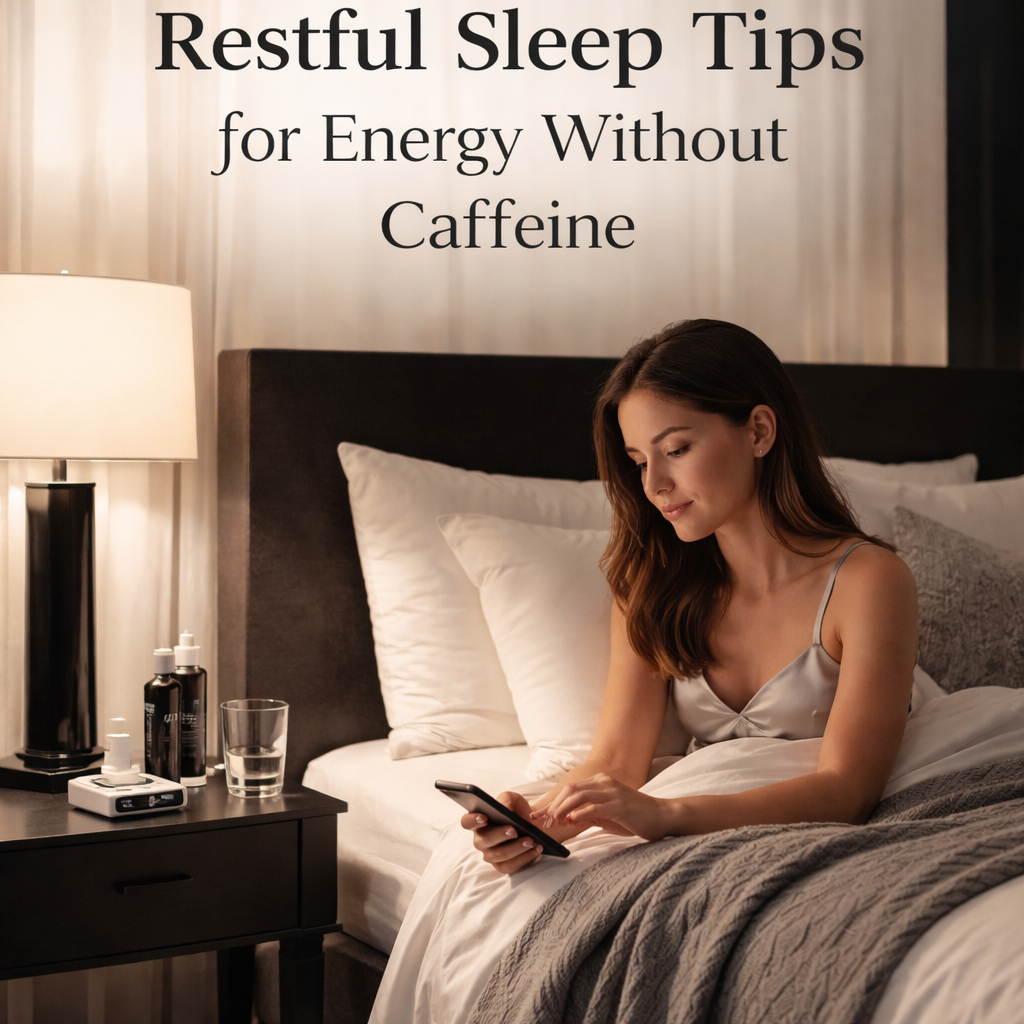
A simple mineral like magnesium can calm nerves and help you fall asleep faster. Many adults 30+ find a low dose magnesium pill at night works well with their routine. Pair it with a cup of herbal tea, and you’ll notice less tossing at night.
Try a basic sleep log for a week. Write down what time you went to bed, when you woke, and how you felt in the morning. The pattern will show you what works and where you need to tweak.
Step 2: Hydration and Electrolyte Balance
Water is the fuel your cells run on. Even a small dip in fluid levels can make you feel foggy and tired. The trick is to keep the balance steady all day, not just gulp a big glass once.
Start your morning with a glass that’s about the size of your fist. That rehydrates you after the night fast and jump‑starts metabolism. If you’re 150 lb, aim for roughly 75 oz of water spread over the day – a simple rule that works for most adults.
Add electrolytes the smart way
When you sweat, you lose sodium, potassium, and magnesium. A pinch of sea salt in your water or a splash of coconut water restores those minerals without added sugar. For a quick snack, reach for a banana or a handful of almonds – they’re natural electrolyte sources.
Imagine you’ve just finished a brisk walk. Instead of reaching for a soda, sip a glass of filtered water with a squeeze of lemon and a pinch of sea salt. You’ll feel the lift without the crash.
Practical checklist
- Keep a reusable bottle on your desk. Take a sip every 20 minutes.
- Set a phone reminder at lunch to refill and drink.
- Swap one sugary drink a day for an electrolyte‑rich option like coconut water.
- Track urine color – pale yellow means you’re on track.
For those who like a structured plan, the weight‑management collection offers guides on foods that boost hydration and support electrolyte balance.
Looking for a program that pairs habit coaching with nutrition advice? XLR8well provides proactive health coaching that can help you build these water‑drinking routines.
If skin vitality matters to you, consider a complementary approach. Sade Skin offers professional skin‑care treatments that work hand‑in‑hand with internal hydration for a radiant look.
Stay consistent, listen to your body, and you’ll notice steadier energy without reaching for caffeine.
Step 3: Move Your Body – Exercise and Stretching
When you sit too long, your body feels sluggish. A quick burst of movement flips the switch and puts you back on track without reaching for caffeine.
Simple moves to get going
Try a 5‑minute walk around the block. It raises your heart rate just enough to wake up the muscles and the brain. Research shows that staying active adds to your daily energy use without the body compensating elsewhere study shows that staying active adds to your daily energy use. No fancy gym needed – a brisk hallway stroll works just as well.
Or add a few minutes of interval steps: 30 seconds fast, 30 seconds easy. The short spikes keep your metabolism humming and give you a clean mental break.
Stretching for a quick boost
Standing up and reaching for the ceiling stretches the spine and improves blood flow. Hold each stretch for about 10 seconds, then release. A quick neck roll or shoulder shrug can melt tension that drags your energy down.
Combine movement with breath: inhale as you raise your arms, exhale as you lower them. The extra oxygen helps cells produce more ATP, the fuel your body uses.
Mini‑checklist
- Walk for 5 minutes every hour you sit.
- Do a 2‑minute interval walk during lunch.
- Stretch neck, shoulders, and back for 30 seconds each.
Quick comparison
| Move | Time | Energy perk |
|---|---|---|
| Brisk walk | 5 min | Boosts circulation, adds calories burned |
| Interval steps | 2 min | Raises heart rate, spikes metabolism |
| Full‑body stretch | 3 min | Relieves tension, improves oxygen flow |
Pick the move that feels easiest and stick with it. A few minutes a day can lift your stamina enough to power through meetings, errands, and hobbies without a coffee cup.
Step 4: Nutrition – Power Foods and Balanced Meals
Food is the engine that keeps you moving all day. When you pick the right fuels, you can keep your mind sharp and your body humming without reaching for caffeine.
Build a plate that steadies blood sugar
Start with a base of complex carbs – think quinoa, sweet potato, or steel‑cut oats. Pair each carb with a protein source like eggs, lentils, or wild‑caught salmon. Finish with a drizzle of healthy fat – olive oil, avocado, or a handful of nuts. That combo slows glucose absorption, so you avoid the crash that follows sugary snacks.
Example: a lunch of roasted beetroot and chickpeas tossed in lemon‑olive oil, topped with feta. It’s tasty, colorful, and keeps energy steady for the afternoon.
Power foods you can grab in a snap
• B‑rich greens (spinach, kale) – they help turn food into ATP.
• Iron‑rich beef or pumpkin seeds – iron supports oxygen delivery.
• Magnesium‑laden almonds – magnesium aids muscle function.
If you’re short on time, blend a smoothie with frozen berries, Greek yogurt, a scoop of Exuvital’s Multivitamin Complex, and a splash of oat milk. It’s a quick, balanced meal that fuels you for the next meeting.
Actionable checklist
- Plan three main meals plus two snacks each day.
- Make sure every meal has a carb, protein, and fat.
- Swap a sugary snack for a handful of nuts or a piece of fruit.
- Prep veggies and grains on Sunday so you can mix‑and‑match all week.
Don’t forget that quality sleep is the other half of the energy equation. A supportive sleeping surface can make a big difference. For a deeper look at how a good bed can boost rest, see the guide on Adjustable Bed for Elderly with Back Pain Australia.
Curious about how fasting fits into this picture? Check out benefits of fasting for cellular repair for a science‑backed view.
Step 5: Mindful Practices - Stress Reduction and Breathing
Stress drains your energy faster than a missed coffee. When tension builds, your body spends extra fuel just to stay calm. Cutting that drain can give you a clean lift without caffeine.
Find a quiet spot in 2 minutes
Pick a chair or stand by a window. Close your eyes. Take a slow inhale through the nose, let your belly rise. Exhale fully, feel the tension melt.
Do this three times. You’ll notice a drop in heart rate and a clearer mind.
Try the bellows breath for a fast boost
This short technique floods your blood with oxygen. It’s a quick way to wake up the brain when the afternoon slump hits.
Start with a neutral breath, then switch to rapid short breaths, about three per second, for 30 seconds. Pause, breathe normally, repeat up to three rounds. The bellows breath is safe at work or at home.
Because stress also speeds up skin aging, this practice helps both energy and a fresh look, a win for anyone over 30 who cares about skin health.
Mini stress-relief checklist
- Pause for 2-minute breath reset before a meeting.
- Do a 30-second bellows round after lunch.
- End the day with a 1-minute body scan, notice tension, let it go.
Stick to the routine and you’ll feel steadier through the day, all without a single cup of coffee.

Conclusion and Next Steps
You’ve seen how breathing tricks, quick walks, and proper hydration can lift you up without a coffee sip.
The research shows most tips need only 20 minutes or less, so they fit into any busy day.
Now turn those ideas into habit. Pick two that feel easiest, for example a 2-minute breath reset before your next meeting and a 30-second bellows round after lunch.
Set a reminder on your phone, keep a water bottle at your desk, and log each mini session in a simple note app. Watching the pattern will keep you honest.
If you want a little extra support, the MCT fat burner supplement offers clean, fast-acting fuel that pairs well with the practices you already use.
Stick with the routine for a week, notice the steadier focus, and then add another tip. Small steps add up to lasting energy and no caffeine needed.
FAQ
What are the fastest habits I can add to feel more awake?
Start with a two‑minute breath reset before a meeting. Sit upright, inhale through the nose for four counts, hold two, exhale slowly for six. That simple rhythm floods your brain with oxygen and drops stress hormones. Follow with a 30‑second walk to the kitchen or hallway; the movement wakes muscles and spikes circulation. Both steps take under five minutes and need no coffee.
How do breathing exercises raise my energy?
Box breathing is a quick way to lift alertness. Sit straight, breathe in for four counts, hold for four, breathe out for four, then hold again for four. Repeat three cycles and you’ll notice a steadier heart rate and clearer thoughts. Because the pattern forces full lung expansion, more oxygen reaches cells, which fuels brain activity without any stimulant.
How much water should I drink each day to avoid fatigue?
Most adults need about half a litre of water for every ten pounds they weigh. For a 160‑lb person that’s roughly eight cups spread across the day. Keep a bottle on your desk and sip whenever you glance at it. Notice the colour of your urine – pale yellow means you’re on track. Staying hydrated keeps your cells humming and wards off that mid‑afternoon slump.
Is a short nap helpful or will it make me groggy?
A 20‑minute power nap gives your brain a chance to finish light sleep cycles, which can boost alertness for the next few hours. Set a timer so you stop before 25 minutes; longer rests can push you into deep sleep and leave you feeling groggy. Pair the nap with a quick stretch afterward to jump‑start circulation and keep the energy lift smooth.
Can a quick cold splash replace my coffee boost?
Running cold water over your face for 30 seconds flips on the sympathetic nervous system. The shock sends norepinephrine through the bloodstream, which sharpens focus and lifts mood. You can do it at a sink before a big call or after lunch when you feel a dip. No equipment needed – just the tap and a bit of courage.
What role does balanced nutrition play in steady energy?
Balanced meals keep blood sugar steady, which stops the crash that makes you feel drained. Aim for a mix of complex carbs, protein, and healthy fat at each meal – think quinoa, salmon, and avocado. Snack on nuts or a piece of fruit instead of sugary treats. When your fuel releases slowly, you stay alert longer without reaching for caffeine.