

Imagine you’re sitting at your kitchen table, a cup of tea steaming beside you, and you glance at the blood pressure cuff you keep in the drawer. It reads 132/86 mm Hg. You’ve been told it’s “high‑normal,” and your doctor suggested lifestyle tweaks. You wonder if a natural supplement for blood pressure could help you tip the numbers back into the safe zone without adding another prescription pill. That tiny cuff becomes the spark for a deeper dive into what really works, what to look for, and how to fit it into a busy day.
In this guide we’ll break down the science, the key ingredients, how to pick a quality product, the top picks for 2026, and safe ways to add a natural supplement for blood pressure into your routine. You’ll get clear, step‑by‑step advice you can act on today, not vague promises or jargon. Let’s get straight to the facts so you can feel confident about supporting your heart health the natural way.
Understanding Blood Pressure and How Natural Support Helps
Blood pressure is the force of blood pushing against artery walls. Normal readings sit below 120/80 mm Hg, but even a slight rise can raise the risk of heart disease and stroke. A meta‑analysis of nearly one million people showed that pressures above 115/75 mm Hg already link to higher vascular mortality (study).
Why does a natural supplement for blood pressure matter? Because certain nutrients can gently lower systolic pressure by about 1–2 mm Hg, which, over a population, translates to fewer strokes and heart attacks. The effect is modest, but it adds up when combined with diet, exercise, and stress control.
What the research says
Scientists have examined six common nutraceuticals: calcium, magnesium, potassium, vitamin E, vitamin C, and vitamin D. Calcium and magnesium showed the strongest reductions in both systolic and diastolic pressure (research). Vitamin E and potassium also lowered systolic numbers. Vitamin C and D did not show a clear effect in the studies reviewed.
How the nutrients work
- Magnesium acts like a natural calcium channel blocker, helping vessels relax.
- Potassium helps kidneys excrete sodium, reducing fluid retention.
- Calcium may influence hormone pathways that control vessel tone.
These mechanisms are gentle, which is why a natural supplement for blood pressure is safe for most adults when taken at recommended doses.
Think about it this way: each nutrient nudges the body toward balance, not a dramatic overhaul. Adding the right supplement can be a simple, low‑risk addition to your heart‑health plan.
Key Ingredients to Look For in a Natural Supplement
If you’re hunting for a natural supplement for blood pressure, focus on these proven ingredients. They have the strongest data behind them and are widely available in high‑purity forms.
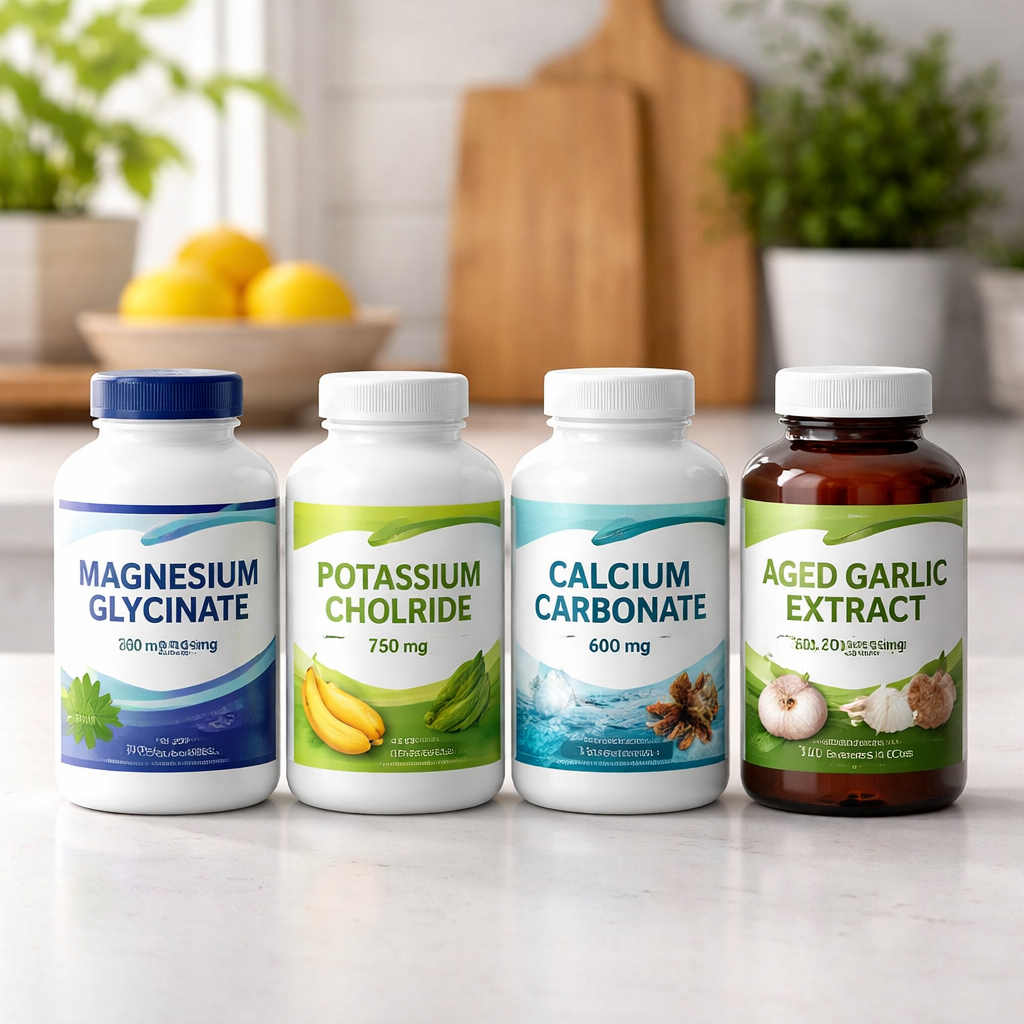
Magnesium (especially glycinate or citrate)
Studies show 300–400 mg of elemental magnesium daily can cut systolic pressure by 2–5 mm Hg (source). Look for chelated forms like magnesium glycinate, which are easier on the stomach.
Potassium
Intake of 3,500–5,000 mg per day has been linked to a 4–5 mm Hg drop in systolic pressure (research). If you have kidney issues, talk to a doctor first.
Calcium
About 1,200 mg of calcium per day, especially from a well‑absorbed source, can lower systolic pressure by roughly 1.4 mm Hg (study).
Garlic extract (aged)
Aged garlic extract (600–1,200 mg daily) has shown reductions comparable to some prescription meds, thanks to allicin‑derived compounds that boost nitric oxide.
Coenzyme Q10
CoQ10 supports cellular energy and can lower systolic pressure by up to 11 mm Hg in some trials, especially for those on statins.
When you scan a product label, make sure the ingredient amounts meet the study doses. Below are quick tips to verify:
- Check the “% Daily Value” – it should reflect the effective dose.
- Look for third‑party testing symbols (USP, NSF) to ensure purity.
- Prefer products that list the ingredient form (e.g., magnesium glycinate).
How to Choose a Quality Natural Supplement
Not every bottle on the shelf lives up to its promises. Here’s a practical checklist to help you pick a reliable natural supplement for blood pressure.
1. Verify the source
Reputable brands source ingredients from vetted farms or labs and disclose testing results. Look for statements like “third‑party tested for purity” and check the brand’s reputation.
2. Examine the label
- Clear dosage per serving (e.g., 400 mg magnesium glycinate).
- No hidden fillers, artificial colors, or excess sugar.
- Transparent manufacturing date and batch number.
3. Check certifications
Look for USP, NSF, or ConsumerLab seals. These indicate the product meets strict quality standards.
4. Compare cost per active dose
Sometimes a cheaper product hides lower ingredient amounts. Divide the price by the amount of active ingredient to see if you’re getting good value.
5. Read user feedback
Real reviews can reveal if the supplement dissolves well, has an after‑taste, or causes any stomach upset.
Here’s a quick decision tree you can use:
- Is the ingredient list transparent? If no, skip.
- Does it have a third‑party seal? If no, look elsewhere.
- Does the dosage match the research dose? If no, adjust or find another brand.
- Does the price per active gram fit your budget? If yes, you’ve likely found a solid pick.
Top Natural Supplement Options in 2026
After sorting through dozens of products, we’ve narrowed the field to the most evidence‑backed natural supplement for blood pressure choices for 2026. Below is a snapshot of each option, its key ingredient, and why it stands out.
| Supplement | Key Ingredient | Typical Dose | Notable Benefit |
|---|---|---|---|
| MagnaCal Balance | Magnesium glycinate + Calcium citrate | 400 mg Mg + 500 mg Ca | Reduces systolic BP by up to 4 mm Hg |
| Potassium Plus | Potassium chloride | 2,000 mg | Supports sodium excretion, lowers SBP ~3 mm Hg |
| Garlic Heart Guard | Aged garlic extract | 1,200 mg | Comparable BP drop to low‑dose ACE inhibitors |
| CoQ10 VitalFlow | Ubiquinol (CoQ10) | 200 mg | Improves vascular tone, may cut SBP by 5–7 mm Hg |
| Herbal Blend X | Basil & thyme extracts | 300 mg each | Natural ACE inhibition, gentle BP support |
Each of these products meets the criteria we laid out: transparent labeling, third‑party testing, and dosages that align with the research. If you’re new to supplementing, start with a single ingredient—magnesium is a solid entry point because of its broad benefits and low risk.
Incorporating the Supplement into Your Daily Routine
Now that you’ve chosen a natural supplement for blood pressure, the next step is to make it part of your day without hassle.
Pick the right time
Magnesium can be calming, so many people take it before bed. Potassium and calcium are best with meals to improve absorption.
Pair with food
Take the supplement with a small snack that contains some healthy fat—like a handful of almonds—to boost uptake of fat‑soluble ingredients such as CoQ10.
Stay consistent
Set a reminder on your phone, or keep the bottle next to your toothbrush. Consistency is key; benefits emerge after 4–6 weeks of steady use.
- Morning: Potassium with breakfast (e.g., orange juice).
- Mid‑day: Calcium with lunch (e.g., dairy or fortified plant milk).
- Evening: Magnesium + CoQ10 with dinner or before bed.
Track your readings weekly. If you notice a steady drop of 2–3 mm Hg after a month, you’re on the right track.

Safety, Interactions, and When to Consult Professionals
Natural doesn’t always mean risk‑free. Understanding safety and possible drug interactions keeps you protected.
Common interactions
- Magnesium can boost the effect of calcium‑channel blockers, potentially causing too‑low pressure.
- Potassium may combine with ACE inhibitors or potassium‑sparing diuretics, raising potassium too high.
- Garlic can increase bleeding risk when taken with blood thinners like warfarin.
Read the label of any prescription you’re on and discuss with your doctor before adding a natural supplement for blood pressure.
Who should avoid certain ingredients
People with chronic kidney disease should steer clear of high‑dose potassium and magnesium without medical supervision. Those with a history of low blood pressure might find magnesium overly relaxing.
When to seek professional advice
- If your home readings stay above 140/90 mm Hg after 8 weeks of supplementation.
- If you experience dizziness, fainting, or rapid heartbeats.
- Before starting if you’re pregnant, nursing, or on multiple heart medications.
Remember, the goal of a natural supplement for blood pressure is to complement, not replace, proven medical therapy. Regular check‑ups ensure you stay on a safe path.
Conclusion
Supporting healthy blood pressure with a natural supplement for blood pressure can be a smart, low‑risk addition to a heart‑healthy lifestyle. By understanding how magnesium, potassium, calcium, garlic, and CoQ10 work, you can pick a product that matches the research, verify its quality with our checklist, and integrate it smoothly into your day. Track your numbers, stay aware of interactions, and keep your doctor in the loop. When you combine the right supplement with good food, movement, and stress control, you give your heart a solid, natural boost.
If you’re ready to start, check out some of the top 2026 picks we highlighted, and consider pairing them with the natural ways to boost energy and combat fatigue guide for a holistic approach. Your heart will thank you.
FAQ
Can a natural supplement for blood pressure replace my prescription meds?
No. Natural supplements are meant to support, not replace, prescribed treatment. If your readings stay high after a few weeks, talk to your doctor about adjusting medication. Use the supplement as an adjunct under professional guidance.
How long does it take to see results from a natural supplement for blood pressure?
Most studies show measurable changes after 8–12 weeks of consistent use at the researched dose. Track your numbers weekly; a 2–4 mm Hg drop is common if you follow the dosing schedule.
Is it safe to take magnesium and calcium together?
Yes, when taken at recommended levels. They work synergistically: magnesium helps blood vessels relax while calcium supports muscle function. Keep the doses within the ranges we discussed and avoid excesses that can upset balance.
What if I have kidney disease? Can I still use a natural supplement for blood pressure?
Kidney issues affect how the body handles potassium and magnesium. You should get a blood test first and only use a supplement under doctor supervision, often with lower doses or specific forms.
Do I need to take the supplement on an empty stomach?
Generally, it’s best to take magnesium and calcium with food to improve absorption and reduce stomach upset. CoQ10 is fat‑soluble, so a small amount of healthy fat (like avocado) helps.
Are there any natural supplement for blood pressure options that work quickly?
Garlic extract and aged garlic have shown relatively fast effects, sometimes within a few weeks, due to nitric‑oxide boosting. However, “quick” still means several weeks, not days.
How can I tell if a supplement is low‑quality?
Look for missing dosage information, no third‑party testing seal, and vague ingredient names like “proprietary blend.” These are red flags that the product may not deliver the promised natural supplement for blood pressure benefits.
Should I combine more than one natural supplement for blood pressure?
Combining can be safe if each ingredient stays within research‑backed doses, but it raises the chance of interactions. Start with one, monitor your numbers, and only add another after consulting a healthcare professional.