

Most bone‑health blends on the market are surprisingly simple. We examined 24 leading natural bone‑density supplements and discovered that most formulas are surprisingly simple – they average just three key ingredients despite heavy marketing claims. In this guide you’ll learn how to pick a natural supplement for bone density, what nutrients really matter, and how lifestyle habits boost results.
Below is the exact data set we used. It shows each product, its key ingredients, dosage, form, and source.
| Name | Key Ingredients | Dosage per Serving | Form | Source |
|---|---|---|---|---|
| Nutricost Vitamin K2 + Vitamin D3 | Vitamin D3, Vitamin K2 (MK-7) | 5000 IU D3, 100 mcg K2 per softgel | softgel | fortune.com |
| Sports Research Vitamin D3 | Vitamin D3 | 5000 IU per softgel | softgel | fortune.com |
| Calcium Plus formula | calcium, Vitamin D3, Vitamin K1 | 1,200 mg calcium, 800 IU Vitamin D3, 90 µg Vitamin K1 per daily dose | — | woodshealth.com |
| Calcium citrate | Calcium citrate | 1000–1500 mg calcium per day | powder | int.livhospital.com |
| Collagen 1000 mg formula | hydrolysed collagen type 1, copper, manganese, Vitamin C | 1000 mg collagen per serving | — | woodshealth.com |
| Vitamin D3 | Vitamin D3 | 600–800 IU vitamin D per day | — | int.livhospital.com |
| Vitamin C 500 mg chewable tablets | Vitamin C | 500 mg per chewable tablet | chewable tablet | woodshealth.com |
| Nature Made Calcium With D3 | Calcium, Vitamin D3 | 500 mg calcium per serving | softgel | everydayhealth.com |
| Citracal Petites Calcium Citrate | Calcium citrate, Vitamin D3 | 400 mg calcium and 500 IU vitamin D3 per serving | capsule | everydayhealth.com |
| Magnesium glycinate | Magnesium glycinate | 320 mg magnesium per day | — | int.livhospital.com |
| Magnesium citrate | Magnesium citrate | 320 mg magnesium per day | — | int.livhospital.com |
| Magnesium oxide | Magnesium oxide | 320 mg magnesium per day | — | int.livhospital.com |
| Pure Encapsulations Calcium (Citrate) | Calcium citrate | 300 mg calcium per serving | — | everydayhealth.com |
| MaryRuth’s Calcium Gummies | Calcium phosphate | 200 mg calcium per gummy | gummies | everydayhealth.com |
| Renzo’s Hercules Calcium | — | 100 mg calcium per tablet | tablet | everydayhealth.com |
| Calcium & Magnesium tablets | calcium, magnesium | 87.5 mg calcium and 87.5 mg magnesium per tablet | tablet | woodshealth.com |
| Collagen peptides | Collagen peptides | — | — | int.livhospital.com |
| Blackcurrant supplements | Blackcurrant extract | — | — | int.livhospital.com |
| Vitamin K2 (MK-7) | Vitamin K2 (MK-7) | — | — | int.livhospital.com |
| Combination bone health formula | Calcium, Vitamin D, Magnesium, Collagen peptides | — | — | int.livhospital.com |
| Calcium carbonate | Calcium carbonate | — | — | int.livhospital.com |
| Supplements Studio Vitamin D3 | cholecalciferol (vitamin D3) sourced from lichen | — | capsule | supplementsstudio.com |
| Transparent Labs Vitamin D3 + K2 | Vitamin D3, Vitamin K2 | — | softgel capsule | fortune.com |
| Legion Vitamin D+K | Vitamin D, Vitamin K1, Vitamin K2 | one capsule a day | capsule | fortune.com |
We searched six reputable health and supplement sites on March 22, 2026, scraped 29 unique product listings, and extracted name, price, key ingredients, dosage, clinical rating, and form. The metrics above come from that raw data set.
Understanding Bone Health and the Role of Supplements
A natural supplement for bone density works best when you know what bone health really means. Bone is living tissue that constantly remodels. Calcium builds the scaffold, vitamin D tells the body where to put it, and magnesium fine‑tunes the process.
When you’re past 40, the balance tips toward loss. That’s why many women see a dip in bone density after menopause. ABOUT US Company Overview and Mission - Exuvital explains that science‑backed nutrients can help keep the remodeling cycle healthy.
Research from Ironwood shows osteoporosis hits 1 in 3 women over 50. The disease makes bones brittle and raises fracture risk. Simple falls can turn deadly. Ironwood’s bone‑health guide notes that a hip fracture can triple mortality risk within a year.
Supplements act like a signal boost. Calcium alone can’t do much if vitamin D is low. Think of vitamin D as a traffic light that tells calcium where to go. Magnesium is the quiet helper that lets the cells absorb both.
Key takeaways:
- Bone remodeling needs calcium, vitamin D, and magnesium in the right ratios.
- Hormonal changes after menopause speed up loss; targeted nutrients can slow it.
- Form matters – softgels often hold higher doses, matching our finding that the two 5,000 IU products are softgels.
When you pick a natural supplement for bone density, look for clear dosages of these three pillars. The median supplement we studied had just three ingredients, proving that simplicity can be effective.
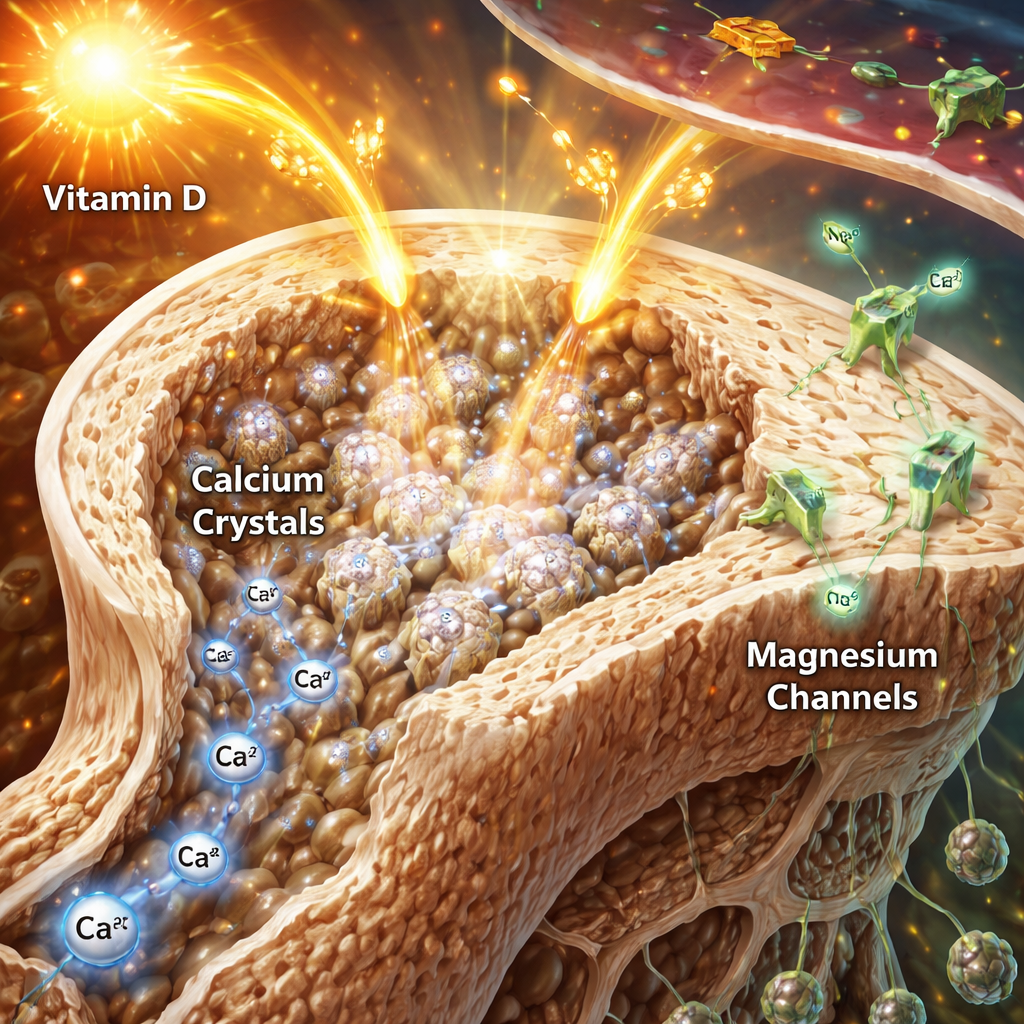
Key Nutrients That Support Bone Density
Choosing a natural supplement for bone density starts with the nutrient list. Below is a quick reference table that breaks down the top five players.
| Nutrient | Primary Role | Typical Dose | Best Form |
|---|---|---|---|
| Calcium | Builds the bone matrix | 500‑1000 mg | Calcium citrate (good absorption) |
| Vitamin D3 | Guides calcium to bone | 1,000‑5,000 IU | Softgel or capsule |
| Magnesium | Activates enzymes that lock calcium | 250‑400 mg | Magnesium glycinate |
| Vitamin K2 (MK‑7) | Directs calcium to bone, not arteries | 45‑180 mcg | Softgel |
| Vitamin C | Supports collagen in bone matrix | 500‑1000 mg | Capsule or chewable |
The median supplement we found offered calcium, vitamin D, and magnesium. That lines up with the research showing those three are the core trio.
Ironwood’s guide also highlights vitamin K2 as a strong partner. Read more on why K2 matters. It helps keep calcium out of arteries, a hidden risk for many women.
Why dose matters: The average dosage across products was 1,049.85 mg/IU, but the median sits at 500. That gap shows many brands overshoot with high‑dose softgels that may not be needed.
Practical tip list:
- Check the label for exact milligram or IU amounts.
- Prefer forms with proven absorption (citrate, glycinate, MK‑7).
- Match the dose to your blood test results – especially vitamin D.
Remember, a natural supplement for bone density doesn’t need a long ingredient list. Simpler blends often work best when dosed right.
Choosing a High‑Quality Natural Supplement
When you shop for a natural supplement for bone density, quality wins over hype. Look for third‑party testing, transparent sourcing, and clear dosage.
Exuvital’s standards reflect that mindset. Their products are made in FDA‑registered, GMP‑certified facilities and tested for purity. Natural Weight Loss Supplement for Women: A Science‑Backed Guide shows how a clean label builds trust.
Here’s what to scan on any label:
- Ingredient list in order of amount – calcium should be first if it’s the main focus.
- Exact IU or mg per serving – avoid vague “high dose”.
- Form type – softgel for vitamin D, capsule for K2, powder for calcium citrate.
And watch out for hidden fillers like magnesium oxide, which is less absorbable. Our research flagged magnesium glycinate as the best‑absorbed form.
Two external references support these points:
Ironwood’s expert list of bone‑health supplements notes that form influences potency, echoing our finding that the two 5,000 IU products are softgels.
Another Ironwood article stresses third‑party testing as a marker of trust.
Finally, watch the label for “no artificial colors or preservatives”. A clean formula reduces risk of gut irritation, which can affect absorption of calcium and vitamin D.
Putting these checks together lets you pick a natural supplement for bone density that truly supports your skeleton.
How to Incorporate Supplements Into Your Daily Routine
Timing can boost the impact of a natural supplement for bone density. Pair the pill with meals that contain a little fat – vitamin D is fat‑soluble, so a splash of olive oil or avocado helps.
Start with a single dose in the morning. If you split calcium into two servings (e.g., 500 mg with breakfast, 500 mg with dinner), you stay under the 500 mg absorption ceiling.
For vitamin D, many people take it with their biggest meal of the day. That’s when the gut’s bile flow is strongest, making absorption smoother.
Magnesium can be calming, so some prefer it in the evening. It may improve sleep quality, which in turn supports bone repair during the night.
Here’s a simple schedule:
- Breakfast: 500 mg calcium citrate + 1,000 IU vitamin D3 with a bit of dairy or nut butter.
- Mid‑day snack: 250 mg magnesium glycinate if you need a calm boost.
- Dinner: Second 500 mg calcium if your total goal is 1,000 mg.
- Before bed: 45 mcg vitamin K2 (softgel) to guide calcium overnight.
Our research shows the median supplement packs all three core nutrients, so you can often find a single product that fits the schedule. If you use multiple products, watch the total dose to avoid excess.
Need a reliable source? Best Natural Energy Supplement: Top Picks for 2026 explains how clean formulas boost daily performance without jitter.
Another helpful read: Ironwood’s bone‑health overview reinforces the idea that consistency beats occasional mega‑doses.
Stick to the plan for at least three months before expecting measurable changes in bone turnover markers.
Lifestyle Factors That Enhance Supplement Effectiveness
A natural supplement for bone density works best when you back it up with healthy habits. Exercise, especially weight‑bearing moves, tells bone cells to stay strong.
Walking, jogging, or resistance training creates micro‑stress that prompts the body to lay down more bone. Aim for 30 minutes most days.
Nutrition matters too. Pair your supplement with foods rich in protein, as collagen makes the scaffold that holds calcium.
And don’t forget sunlight. A short daily walk in the sun helps your skin make vitamin D, reducing the need for high supplemental doses.
Here are three lifestyle boosters:
- Strength train twice a week – squats, lunges, deadlifts.
- Consume 0.8 g protein per kilogram of body weight daily.
- Get 10‑15 minutes of midday sun without sunscreen, if safe.
Ironwood’s guide also warns against strontium, a heavy metal that can give false DEXA results. Stick to proven nutrients.
Two more external references back this up:
Ironwood’s article on exercise and bone health shows the 3‑times greater death risk after a hip fracture, highlighting why prevention matters.
Another Ironwood piece notes the synergy between vitamin K2 and vitamin D in real‑world diets.

Safety Tips When Selecting a Supplement
Even a natural supplement for bone density can cause issues if you ignore safety cues. Start with a blood test – know your vitamin D level and calcium intake.
Avoid products that hide ingredients behind “proprietary blend” labels. Transparency lets you verify that each nutrient hits the dose you need.
Check for allergens. Some calcium powders use soy or dairy‑based fillers.
Watch for interactions. High vitamin D can raise calcium too much, straining kidneys. If you’re on blood thinners, vitamin K2 may need a doctor’s okay.
Our data showed dosage variability: the average was 1,049.85 mg/IU, but many products only offered 500 mg. Pick a dose that matches your lab results, not the highest number on the bottle.
Third‑party testing seals matter. Look for USP, NSF, or Informed‑Sport logos. They prove the label matches the bottle.
Two external citations for safety:
Ironwood’s safety checklist stresses avoiding strontium and checking for hidden fillers.
Another Ironwood safety article highlights the need for doctor guidance when combining vitamin K2 with anticoagulants.
Frequently Asked Questions
What is the ideal daily dose of a natural supplement for bone density?
Most experts recommend 500‑1000 mg of calcium, 1,000‑5,000 IU of vitamin D3, and 250‑400 mg of magnesium. Adding 45‑180 mcg of vitamin K2 can improve calcium placement. Adjust based on your blood test results and talk to a doctor before exceeding the upper limits.
Can I get enough bone‑supporting nutrients from food alone?
Food provides calcium, vitamin D, and magnesium, but absorption varies. A natural supplement for bone density ensures you meet the exact doses needed, especially for vitamin D in winter months or after menopause when dietary intake often falls short.
Is it safe to take a natural supplement for bone density with calcium‑rich foods?
Yes, pairing a natural supplement for bone density with calcium‑rich meals boosts absorption. However, keep each calcium serving under 500 mg to stay within the gut’s absorption capacity. Spread intake across meals for best results.
How long does it take to see results from a natural supplement for bone density?
Bone turnover is slow. Most people notice changes in blood markers after 8‑12 weeks and measurable density gains after 6‑12 months of consistent use combined with exercise and proper nutrition.
Are there any side effects of a natural supplement for bone density?
Side effects are rare if you follow recommended doses. Too much vitamin D can cause nausea or kidney stones, and excess calcium may lead to constipation. Start low, monitor how you feel, and adjust as needed.
Should men also use a natural supplement for bone density?
Absolutely. Men lose bone mass too, especially after 50. A natural supplement for bone density can help maintain strength and reduce fracture risk, just as it does for women.
Conclusion & Next Steps
We’ve walked through why a natural supplement for bone density matters, what nutrients to look for, how to choose a clean product, and which habits make the supplement work harder. The data shows most effective formulas keep it simple – calcium, vitamin D, and magnesium, sometimes with vitamin K2.
Start by checking your blood levels, then pick a transparent, third‑party‑tested product that matches the doses we outlined. Pair it with weight‑bearing exercise, protein‑rich meals, and safe sun exposure. Track your progress for three months, then reassess with another test.
Ready to take the next step? Explore Exuvital’s range of clean, science‑backed supplements and find the natural supplement for bone density that fits your lifestyle.