

High cholesterol feels like a silent weight on your health. You’ve tried diet tweaks, maybe a prescription, and you’re still looking for a steadier path. In this guide we’ll break down how a natural supplement for cholesterol control works, what ingredients really matter, and how to fit one into your daily routine without guesswork.
We’ll walk through the science, compare popular options, and give you step‑by‑step tips to pick the right formula for your life. By the end you’ll have a clear plan that matches your goals and your schedule.
Understanding How Natural Supplements Influence Cholesterol
First, let’s see why a natural supplement for cholesterol control can shift your numbers. Your liver makes most of the cholesterol you see in blood. It also pulls cholesterol from the gut when you eat. Some plant compounds can slow that pull, while others can help the liver release less.
One group of compounds are plant sterols and stanols. They look like cholesterol, so they sit in the gut and block the body from soaking up as much. The National Center for Complementary and Integrative Health notes that when you take a sterol or stanol supplement with a meal you can see a modest drop in LDL levels.Read the NCCIH summary
And there’s more. Soy proteins, especially whole soy foods, show a small lowering effect. Flaxseed lignans, not the oil, can also help, particularly for women with higher starting numbers. Garlic taken for two months or more can trim LDL a bit, though not as much as prescription drugs. Green tea shows a modest effect too.
But not every natural claim holds up. Red yeast rice often contains monacolin K, the same molecule as the prescription drug lovastatin. The FDA treats high‑dose versions as a drug, not a supplement. Low‑dose versions may still work, but safety data is thin.
Here’s what that means for you. If you pick a supplement that lists plant sterols, you’re using a method that has solid lab backing. If you see garlic or green tea extracts, expect a gentle nudge rather than a dramatic shift. And if you spot red yeast rice, check the label for the amount of monacolin K , less than a trace is safer, but the benefit may be minimal.
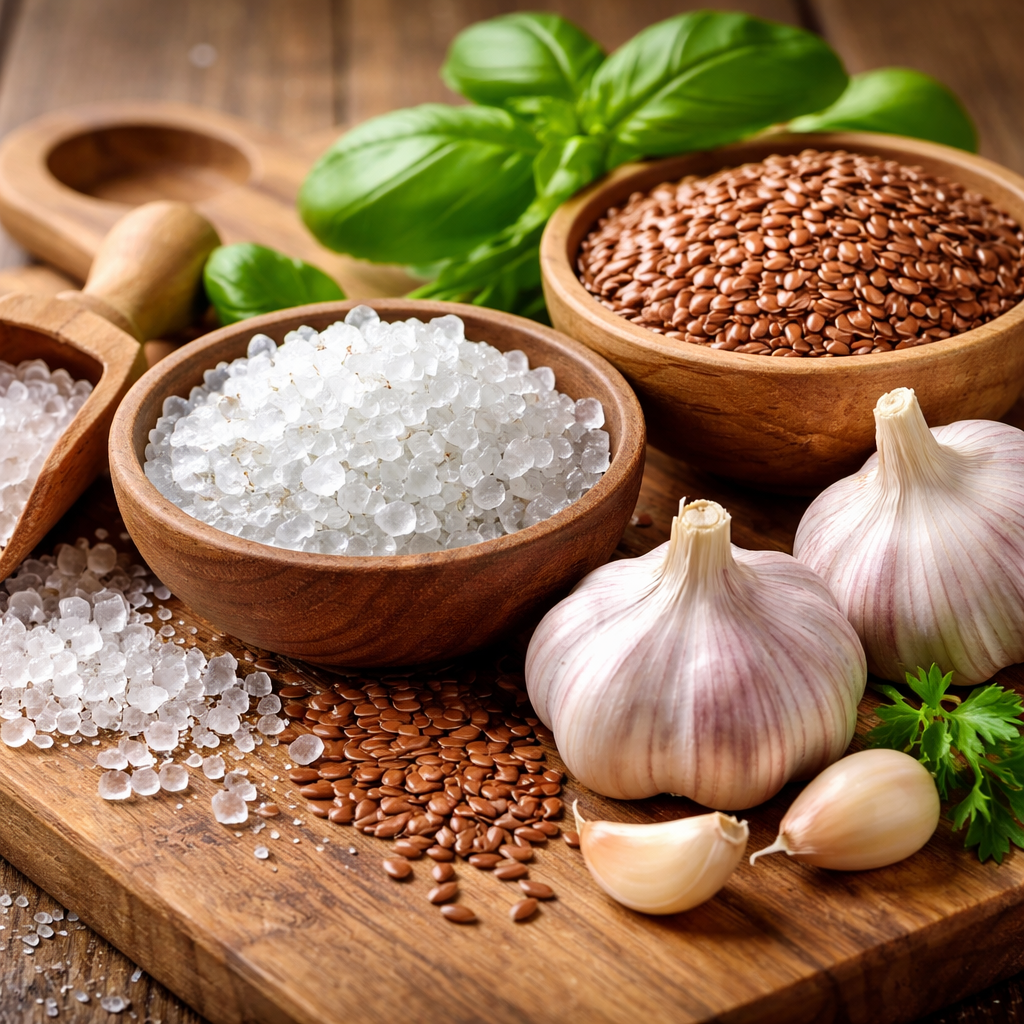
Now that you know the pathways, you can weigh the pros and cons. Sterols and stanols give the clearest evidence, but you need to take them daily with food. Soy and flaxseed work best as whole foods or milled seeds, not isolated powders. Garlic and green tea are easy to add as capsules or teas, but keep expectations realistic.
And remember: supplements are a piece of the puzzle. They work best when paired with a diet low in saturated fat and a regular walk or bike ride. That’s the foundation we’ll build on in later sections.
Key Ingredients to Look for in Cholesterol‑Management Supplements
When you scan a bottle, you want to know which ingredients actually move the needle. Below are the ones that have the most reliable research behind them.
Plant sterols and stanols sit at the top. Studies show that 2‑3 grams a day can shave 6‑12 % off LDL after a few weeks. Look for “phytosterols” on the label and a dosage near that range.
Beta‑glucan, a soluble fiber found in oats and barley, forms a gel in the gut that traps cholesterol. A review of 58 trials found a 4.2 % LDL drop when people ate about 3.5 g of beta‑glucan daily. If a supplement lists oat beta‑glucan, aim for at least 1 g per serving.
Flaxseed lignans are another solid option. Whole flaxseed or milled flax can lower LDL, especially in post‑menopausal women. The key is to use the seed, not the oil, because the oil lacks the lignan fiber.
Garlic (allicin) and green tea catechins each offer modest benefits. Garlic needs at least two months of consistent use to see a change. Green tea extracts should provide 300‑400 mg of catechins per day for a measurable effect.
Red yeast rice can be powerful, but only when the monacolin K content is disclosed and stays under the FDA’s drug threshold. If you see a precise amount (e.g., 2 mg), you know you’re getting a low‑dose version that may still help without the full drug risk.
Other ingredients like niacin, policosanol, or red clover have mixed or weak evidence. Niacin can raise HDL but often causes flushing, and high‑dose use may increase heart risk. Policosanol’s studies are inconclusive.
Here’s a quick checklist you can use when you read a label:
- Does the product list the amount of sterols/stanols? Aim for 2 g total.
- Is beta‑glucan included? Look for ≥1 g per dose.
- Are whole or milled flaxseed present? Avoid oil‑only blends.
- Is garlic standardized to allicin? At least 300 mg allicin per day.
- Does the label disclose monacolin K if red yeast rice is used?
And think about the form. Capsules, softgels, and powders each have pros. Capsules protect heat‑sensitive compounds like green tea catechins. Powders let you mix into smoothies, which can be handy if you already blend oats for beta‑glucan.
We also like to pair supplements with lifestyle habits that boost their effect. For instance, taking a sterol pill with your biggest meal of the day helps the compound sit where it can block absorption the most.
Finally, keep an eye on purity. A reputable brand will test for contaminants and list the exact ingredient amounts. That aligns with the clean, transparent values we stand for.
Natural Ways to Boost Energy and Combat FatigueAnd that brings us to the next step: comparing the top supplement options on the market.
Comparing Top Natural Supplement Options: Benefits and Use Cases
Below is a quick look at four common formulas you might find on the shelf. The table highlights the main ingredient, typical dose, and who might get the most out of it.
| Supplement Type | Main Ingredient | Typical Daily Dose | Best For | Pros | Cons |
|---|---|---|---|---|---|
| Phytosterol Blend | Plant sterols/stanols | 2 g | Anyone seeking a clear LDL drop | Well‑studied, easy to dose | May need multiple pills |
| Beta‑Glucan Oat Complex | Oat beta‑glucan | 1‑2 g | Those who like fiber support | Supports gut health too | Needs consistent daily intake |
| Flaxseed Lignan Mix | Whole/milled flaxseed | 30 g (about 2 tbsp) | Women post‑menopause, fiber lovers | Contains omega‑3 ALA | Texture can be gritty |
| Garlic & Green Tea Fusion | Garlic allicin + green tea catechins | 300 mg allicin + 400 mg catechins | People wanting a gentle boost | Easy capsule form | Modest effect, may cause odor |
Imagine you’re a busy professional who eats lunch at a desk. A phytosterol capsule with that meal could give you the most bang for your buck. If you’re a home‑cooker who loves oatmeal, adding a beta‑glucan powder to your morning porridge locks in the benefit without extra pills.
And if you’re looking for a plant‑based protein boost, the flaxseed mix doubles as a source of ALA omega‑3s, which also help lower triglycerides. The garlic‑green tea blend is a good starter if you’re new to cholesterol‑focused supplements and want a low‑risk option.
One more tip: rotate ingredients if you hit a plateau. Switching from sterols to a fiber‑heavy formula for a month can re‑stimulate the gut’s ability to bind cholesterol.
We also suggest checking third‑party testing certificates. That way you know the dose on the label matches what’s inside.
How to Create a Personalized Wellness PlanNow that you see the options, let’s talk about picking the right one for your life.
How to Choose the Right Supplement for Your Lifestyle
Choosing a natural supplement for cholesterol control isn’t about the flashiest label. It’s about fit.
Step 1: Assess your routine. Do you have a big lunch where you can pop a pill? Or do you prefer adding powder to a shake? Your habit determines the form that will stick.
Step 2: Look at your health goals. If you mainly want to lower LDL, sterols are the clear leader. If you also need fiber for digestion, beta‑glucan is a two‑for‑one win.
Step 3: Check any meds you’re on. Some natural compounds, like red yeast rice, can interact with statins. If you’re on a prescription, steer clear of anything that contains monacolin K unless your doctor says it’s okay.
Step 4: Evaluate cost vs. dose. A premium brand may charge more but often provides a precise, third‑party‑tested amount. Cheaper options sometimes skim on the active ingredient.
Step 5: Test and track. Use a home cholesterol kit or your doctor’s lab work. Record your numbers before you start, then after 4‑6 weeks. If you don’t see a 5‑10 % shift, consider swapping ingredients or adjusting dosage.
Here are three practical tips to stay on track:
- Set a reminder on your phone to take the supplement with your main meal.
- Keep a simple log: date, dose, any side effects, and how you felt.
- Pair the supplement with a short walk after dinner; the extra movement can help the gut absorb the sterol better.
And remember, consistency beats intensity. A half‑pill taken every other day won’t move the needle.
We also like to match the supplement to the broader wellness plan you may already have. If you’re tracking sleep, nutrition, and stress, a natural supplement for cholesterol control can be the missing piece that rounds out the picture.
Immunity & Wellness CollectionThat brings us to the final piece: how to blend the supplement with diet and exercise for the best results.
Integrating Supplements with Diet and Exercise for Optimal Results
Even the best natural supplement for cholesterol control needs food and movement to work fully.
Start with meals that already contain cholesterol‑blocking foods. Add a sterol capsule to a salad that includes avocado, nuts, and a splash of olive oil. The sterol sits in the gut while the healthy fats keep you full.
Next, boost soluble fiber. A bowl of oatmeal with berries gives you about 2 g of beta‑glucan. If you’re using a powder supplement, stir it into the oatmeal before cooking.
Exercise doesn’t have to be marathon training. A 30‑minute brisk walk after dinner triggers the liver to use more LDL for energy, which can lower blood levels over time. Combine that walk with a post‑walk stretch routine to keep joints healthy.
Here’s a weekly routine you can try:
- Monday‑Friday: Take your chosen supplement with lunch.
- Morning: Eat a high‑fiber breakfast (oats, berries, flaxseed).
- Evening: 30‑minute walk after dinner.
- Weekend: Swap the walk for a bike ride or swim for variety.
And don’t forget hydration. Water helps the soluble fiber form the gel that binds cholesterol. Aim for at least eight glasses a day, more if you’re active.
Real‑world example: Sarah, a 52‑year‑old teacher, added a sterol supplement to her lunch and started a nightly walk. After 8 weeks her LDL fell from 160 mg/dL to 145 mg/dL. She didn’t change her diet beyond adding a side salad, but the consistency of the supplement and walk made the difference.
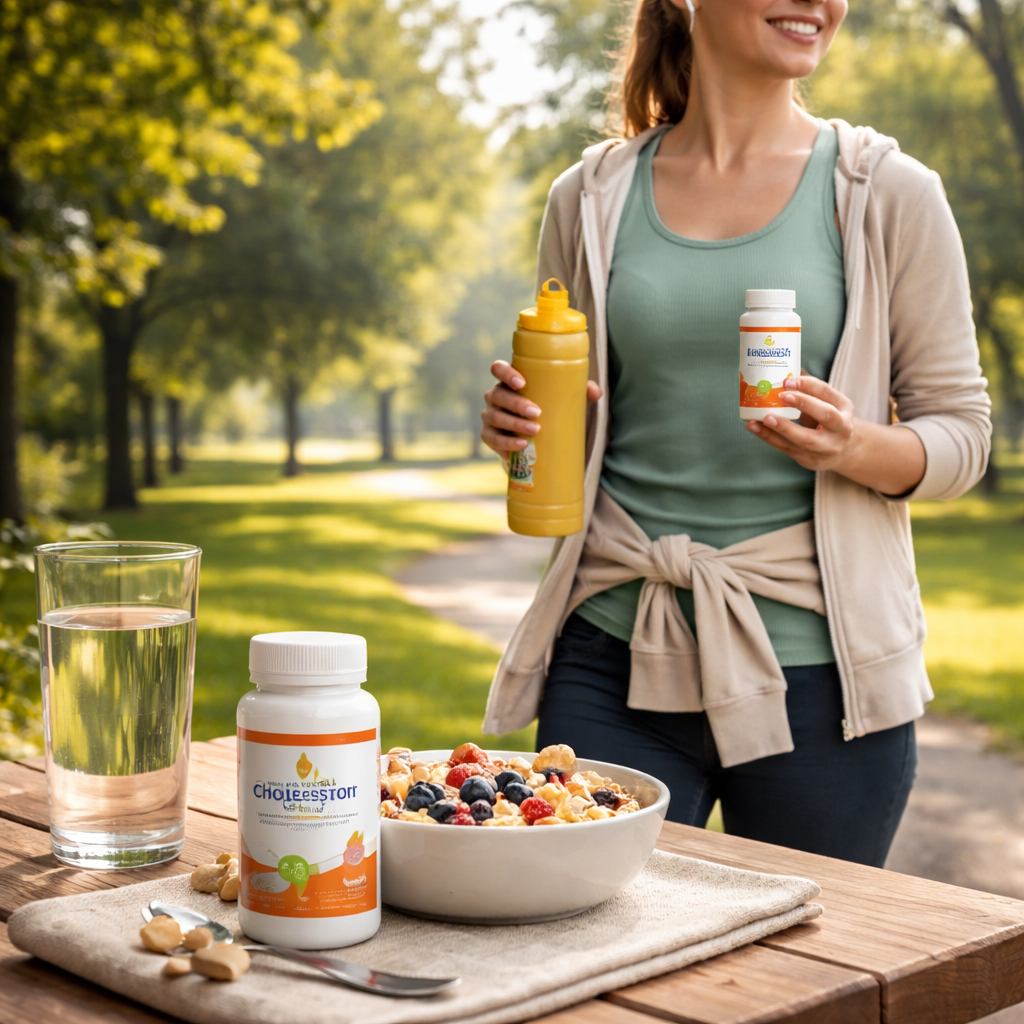
Finally, monitor your progress. Use a calendar to note the day you start, the dosage, and any lab results. If you notice a stall, try swapping one ingredient, for example, add a garlic capsule for two weeks to see if that adds a few points.
Remember, the goal is a steady, sustainable path, not a quick fix. Small daily actions add up.
Conclusion
We’ve covered how a natural supplement for cholesterol control works, the key ingredients you should look for, and how to match a product to your routine. You now have a checklist, a comparison table, and a simple weekly plan to put the supplement to work.
Pick a formula that fits your meals, check for third‑party testing, and pair it with fiber‑rich foods and a short daily walk. Track your numbers and adjust as needed. Over time you’ll see a smoother cholesterol curve and a boost in overall vitality.
If you’re ready to add a clean, science‑backed supplement to your regimen, explore options that list the exact amount of sterols, beta‑glucan, or flaxseed lignans. Your body will thank you with steadier numbers and a stronger sense of balance.
Frequently Asked Questions
What makes a natural supplement for cholesterol control effective?
An effective natural supplement for cholesterol control contains ingredients that have been shown in studies to reduce LDL, such as plant sterols, beta‑glucan, or flaxseed lignans. The dose matters; you need about 2 g of sterols or 1‑2 g of beta‑glucan daily. Consistency and taking the supplement with a meal also boost its impact.
Can I take a natural supplement for cholesterol control with my prescription statin?
Mixing a natural supplement for cholesterol control with a statin can increase the risk of side effects, especially if the supplement contains red yeast rice with monacolin K. Talk to your doctor first, and if you get the go‑ahead, start with a low dose and watch for muscle pain or liver changes.
How long does it take to see results?
Most research shows you’ll notice a change in LDL after four to eight weeks of daily use. Use a home test kit or ask your doctor for a lab check after six weeks. If the numbers haven’t moved, consider increasing the dose or switching to a different ingredient like beta‑glucan.
Do I need to eat special foods while using a natural supplement for cholesterol control?
You don’t need a strict diet, but pairing the supplement with fiber‑rich meals helps. Adding oatmeal, beans, or a side of fruit boosts soluble fiber, which works alongside sterols and beta‑glucan to bind cholesterol in the gut.
Are there any side effects I should watch for?
Most natural supplement for cholesterol control options are gentle. Plant sterols rarely cause issues, but high doses of garlic can lead to breath odor. Red yeast rice may cause the same muscle aches as statins if it contains significant monacolin K. Stop use and see a doctor if you notice unusual symptoms.
Is a natural supplement for cholesterol control safe for everyone?
Generally it’s safe for most adults, but pregnant or nursing women should avoid high‑dose sterol products. People with liver disease or those on blood‑thinners should check with a health professional before starting any new supplement.
Can I use more than one natural supplement for cholesterol control at the same time?
Stacking can work if the ingredients complement each other, like a sterol capsule plus a beta‑glucan powder. However, avoid combining multiple products that each contain the same ingredient, as you could exceed the effective dose and waste money.
How do I know if a supplement is high‑quality?
Look for third‑party testing, clear labeling of ingredient amounts, and a reputable brand that shares its sourcing practices. A clean label with no fillers, and a transparent certificate of analysis, signals a product that matches the standards we value.