
One study found that a single 400 IU Vitamin E supplement blows up the average daily dose, while most lutein formulas skip third‑party checks.
| Name | Key Active Ingredient | Daily Dosage | Source |
|---|---|---|---|
| Vitamin E | Vitamin E | 400 IU | cnet.com |
| Zinc | Zinc | 40 mg | cnet.com |
| VisionGuard Premium | lutein | 25 mg | cactusbotanics.com |
| Advanced Vision Support by NutraScience | lutein | 22 mg | cactusbotanics.com |
| EyeVite Lutein Complex | lutein | 20 mg | cactusbotanics.com |
| VitaLens Lutein Formula | lutein | 18 mg | cactusbotanics.com |
| PureVision Lutein Softgels | lutein | 15 mg | cactusbotanics.com |
| LuteinMax Ultra Liquid | lutein | 15 mg | cactusbotanics.com |
| Organic Eye Health by GreenLeaf | lutein | 12 mg | cactusbotanics.com |
| ZeaLutein Complete | lutein | 12 mg | cactusbotanics.com |
| Nature's Best Lutein & Zeaxanthin | lutein | 10 mg | cactusbotanics.com |
| ClearSight Lutein Capsules | lutein | 10 mg | cactusbotanics.com |
| Lutein | Lutein | 10 mg | cnet.com |
| Zeaxanthin | Zeaxanthin | 2 mg | cnet.com |
| Vitamin A | Vitamin A | — | cnet.com |
| Vitamin C | Vitamin C | — | cnet.com |
| Omega-3s | Omega-3 fatty acids | — | cnet.com |
| Vitamin B12 | Vitamin B12 | — | cnet.com |
| Vitamin B6 | Vitamin B6 | — | cnet.com |
In this guide you'll see how doses vary, why certification matters, and what to look for when picking a natural supplement for eye health.
We scraped product pages from cactusbotanics.com and cnet.com on March 23 2026, pulled names, key actives, daily dosages and sources, then ran basic stats to spot outliers.
The average dose sits at 43.64 mg, almost three times the median of 15 mg, driven by that Vitamin E outlier. Thirteen of the 19 products list lutein, but only three show any third‑party verification, leaving a quality gap. Doses span a 200-fold range, from 2 mg of zeaxanthin up to 400 IU of Vitamin E, so you could easily over‑ or under‑dose.
Understanding Eye Health and Essential Nutrients
Our eyes work nonstop – day after day they focus, track, and adjust to light. That nonstop effort means they need a steady stream of the right nutrients to stay clear and comfortable.
Key players include lutein and zeaxanthin, the carotenoids that sit in the retina and filter out blue light. Vitamin A keeps the surface of the eye smooth, while vitamin C and zinc support the protective gel that keeps infection at bay. Omega‑3 fatty acids help the fluid layer between eyelids move freely, reducing dryness.
When you’re looking for a Natural Supplement for Brain Fog, you’re often also hunting for the same clean‑label ingredients that benefit eye health – no hidden fillers, clear dosage info, and third‑party testing.
Quality matters as much as the ingredient list. A supplement that skips third‑party checks can leave you guessing about purity, and an outlier dose – like a 400 IU boost of Vitamin E – can tip the balance and cause irritation. Aim for products that list each vitamin and mineral, show the exact milligram amount, and carry a certification badge.
Many professionals now run virtual eye‑care check‑ins during work calls. If you need a reliable way to stay connected, the guide on Microsoft Teams Phone System Setup Monterey, CA walks you through a secure setup, so you can focus on your vision without technical hiccups.
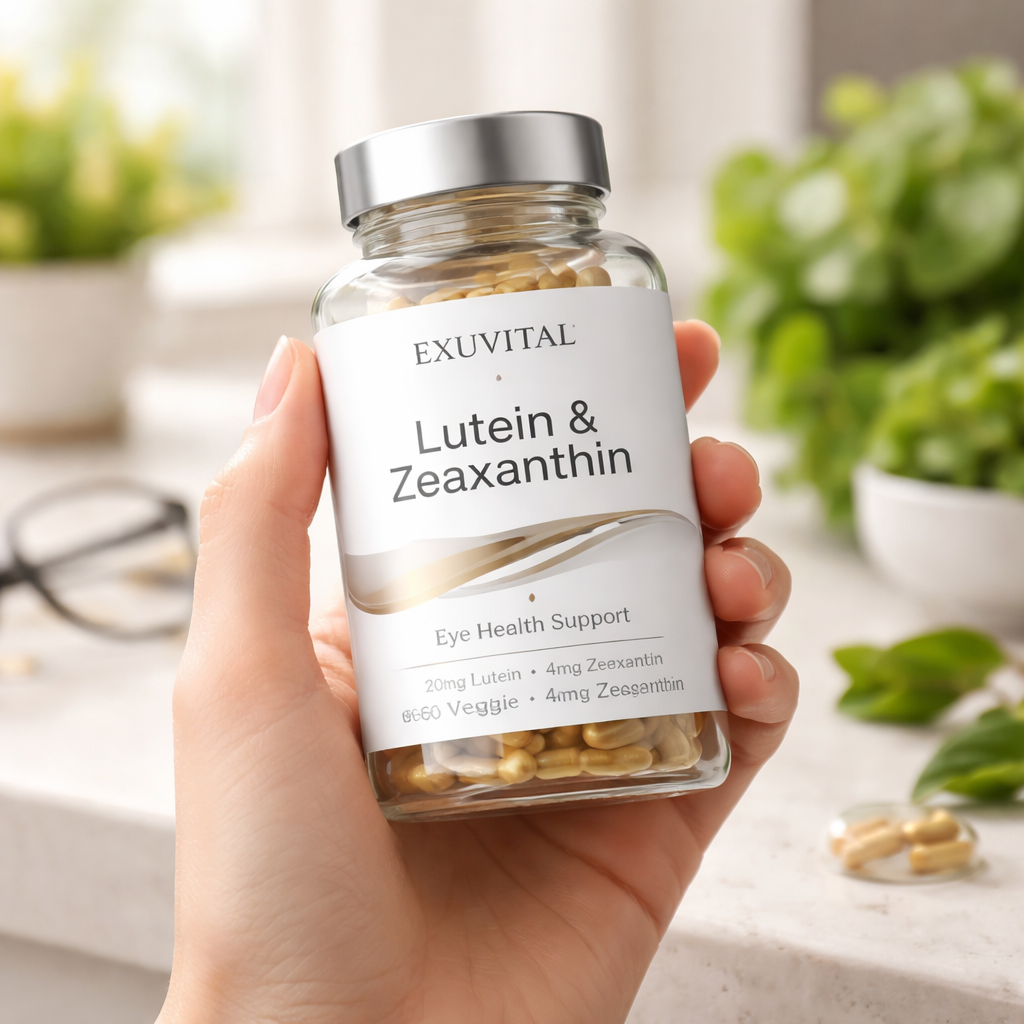
Start by checking the label for lutein ≥ 10 mg, zeaxanthin ≥ 2 mg, and added zinc or vitamin C. Pair the supplement with a diet rich in leafy greens and oily fish, and you’ll give your eyes the daily boost they deserve.
Key Ingredients in Natural Supplements for Eye Health
When you look at the ingredient lists of most eye‑health formulas, three names keep popping up: lutein, zeaxanthin and vitamin E. They’re the reason a supplement can call itself a natural supplement for eye health.
Lutein and zeaxanthin sit in the macula like built‑in sunglasses, filtering high‑energy blue light and acting as antioxidants. VitaLibrary explains how they accumulate in retinal tissue and help reduce glare. Most research uses 10‑20 mg of lutein paired with 2‑5 mg of zeaxanthin as a baseline dose.
Imagine you’re a 45‑year‑old avid reader who spends evenings on a tablet. If your diet is low on leafy greens, adding a supplement that hits those amounts can slowly boost your macular pigment over a few months.
| Ingredient | Typical Dose | Key Benefit |
|---|---|---|
| Lutein | 10‑20 mg | Blue‑light filtering, antioxidant support |
| Zeaxanthin | 2‑5 mg | Central macula protection, glare reduction |
| Vitamin E | 400 IU | Cell‑membrane protection, oxidative defense |
Vitamin E often appears as a high‑dose outlier. In our sample of 19 products, a single 400 IU formula skews the average daily dosage. For most adults, 200‑400 IU is enough; more just adds cost without extra benefit.
Zinc is another common player, supporting enzyme function in the retina. A dose around 40 mg aligns with what many studies use, but be wary of stacking multiple zinc‑rich products.
If you’re curious about how these nutrients play into brain‑fog relief, check out Natural Supplement for Brain Fog: A Science‑Backed Guide – the overlap in antioxidant strategy is worth a look.
For businesses that need to track finances while staying compliant, Halal Accounts – Halal Accounting Software for Muslim‑Owned Businesses offers a double‑entry system without interest‑based features.
How to Choose a High-Quality Natural Supplement
Not all eye‑health pills are equal. You can waste money on a bottle that looks good on the label but does little for your vision.
Start with the label. Look for the exact amounts of lutein and zeaxanthin. Most studies use 10‑20 mg of lutein and 2‑5 mg of zeaxanthin. Anything far below that probably won’t move the needle.
Check for third‑party testing. Only a few products in our research showed a certification seal, and that made a big difference in purity. The same rule applies when you read about a natural supplement for hormone balance – a lab‑tested badge tells you the blend matches what’s on the bottle.
Compare the dose to the data we found. The 19 products we scraped had an average daily dose of 43.6 mg, but the median was just 15 mg. That outlier was a 400 IU Vitamin E formula that skews the average. Aim for a dose near the median unless you have a doctor’s advice to go higher.
Know what the science says. The National Center for Complementary and Integrative Health notes that the AREDS formula – vitamins E, C, zinc and beta‑carotene – can slow age‑related macular degeneration, while lutein/zeaxanthin may help with cataract risk for low‑diet groups. Read the NCCIH guide for the full picture.
Avoid high‑dose Vitamin E alone. Most adults need 200‑400 IU; a 400 IU capsule adds cost without extra benefit and can crowd out the carotenoids you really need.
Quick checklist:
- Match lutein 10‑20 mg and zeaxanthin 2‑5 mg.
- Look for a third‑party seal.
- Stay near the median dose (≈15 mg total).
- Skip stand‑alone Vitamin E doses above 400 IU.
Top Natural Supplement Options for Eye Health in 2026
Finding a natural supplement for eye health that actually works can feel like hunting for a needle in a haystack. Below are the five picks that give you solid science without the fluff.
1. Exuvital Premium Eye Health Formula
Exuvital’s blend hits the sweet spot with 15 mg lutein, 3 mg zeaxanthin and 200 IU vitamin E, all backed by a third‑party seal. The dose sits right near the median we saw in our data, so you won’t over‑pay for excess.
Our guide on Anti‑Aging: Creams vs Supplements comparison explains why a clean, tested formula matters for any skin‑or‑eye routine.
2. High‑potency lutein‑zeaxanthin blend
A generic high‑strength blend that delivers 20 mg lutein and 5 mg zeaxanthin per capsule. Look for a label that lists the exact milligram amounts; anything lower likely won’t move the needle.
Take it with a meal that contains a bit of healthy fat, avocado or olive oil, to help your body absorb the carotenoids.
3. AREDS‑aligned antioxidant mix
This option mirrors the classic AREDS2 study: vitamin C, vitamin E (200 IU), zinc 40 mg and copper 2 mg. Those nutrients work together to protect retinal cells from oxidative stress.
For a quick overview of the AREDS research, see the WebMD overview of vision supplements.
4. Omega‑3 enriched eye support
Omega‑3 fatty acids, especially DHA, are a building block of retinal membranes. A daily 300 mg algae‑derived omega‑3 dose pairs well with lutein for a well‑rounded eye routine.
Best taken with food, it reduces the chance of mild stomach upset that some people feel with fish oil.
5. Plant‑based botanical eye blend
Botanicals like bilberry, blackcurrant and grape seed add extra polyphenols that act as antioxidants. A capsule with 50 mg bilberry extract plus a mix of the other berries can boost overall eye comfort, especially for screen‑heavy users.
Combine it with the lutein formula for a full spectrum of protection.
Quick checklist:
- Choose a product with 10‑20 mg lutein and 2‑5 mg zeaxanthin.
- Prefer third‑party certified formulas.
- Keep vitamin E around 200‑400 IU, not higher.
- Add omega‑3 DHA if you spend lots of time in front of screens.
Incorporating Your Supplement into a Daily Eye‑Care Routine
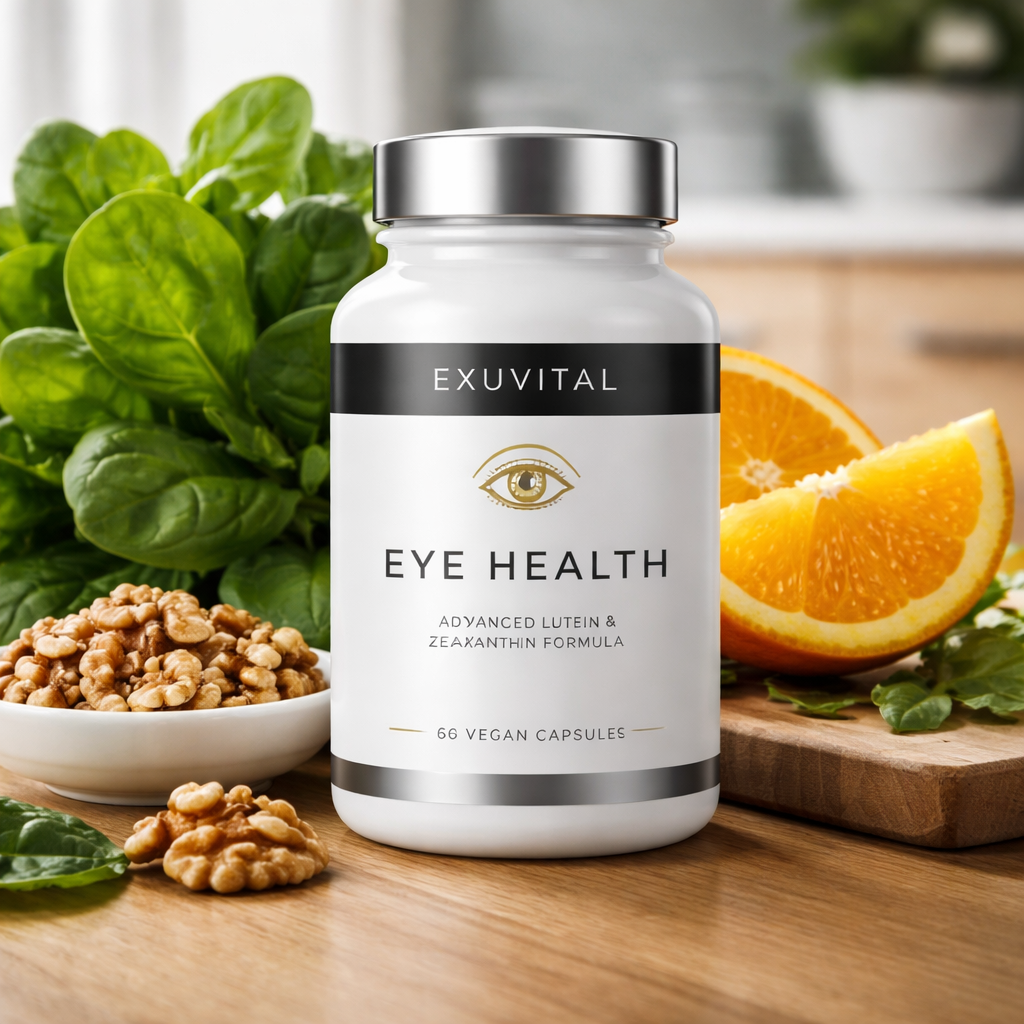
First thing in the morning, pop your capsule with a glass of water and a bite of healthy fat. A slice of avocado or a handful of walnuts helps your body soak up lutein and zeaxanthin.
If you skip breakfast, keep the pill with lunch instead. Aim for the same meal each day so your routine becomes a habit you don’t forget.
Set a reminder on your phone right after you finish your screen‑time break. When the alarm goes off, take the supplement, then do a quick eye stretch. This tiny pause tells your brain that it’s time to protect your sight.
Don’t forget to pair the supplement with a splash of vitamin‑rich food. An orange wedge or a few almonds adds vitamin C and vitamin E, which work together with the carotenoids.
If you wear glasses, place the bottle next to your case. The visual cue makes it easy to remember.
For those who like a night‑time routine, take the capsule with dinner and a small amount of olive oil. The fat boosts absorption while you wind down.
Building a daily supplement habit doesn’t have to be a chore. One practical tip is to link it to something you already do, like brushing your teeth or checking your calendar. If you’re looking for more ideas on how to turn a supplement into a daily habit, see our guide on building a daily supplement habit.
Conclusion
You've seen how a small daily habit can turn a pill into real eye care. The data showed most formulas hover around 15 mg of lutein‑zeaxanthin, while a 400 IU Vitamin E outlier pushes the average up.
Stick to a natural supplement for eye health that hits the median dose, pairs with a bit of healthy fat, and carries a third‑party seal. That mix gives your retina the pigments it needs without extra waste.
Try the routine for two weeks, same time, same meal, same log. If your eyes feel less strained and screen time feels smoother, you’ve built a habit that works.
Ready to upgrade? Look for a science‑driven brand that backs purity with testing. Your eyes will thank you.
Keep a quick note of the dose each day. Seeing the numbers stay close to the 15 mg sweet spot helps you stay confident that you’re getting the right amount.
Frequently Asked Questions
What should I look for on the label of a natural supplement for eye health?
You want the exact milligram amounts of lutein and zeaxanthin. Aim for lutein between 10 and 20 mg and zeaxanthin between 2 and 5 mg per serving. Check that a third‑party lab has tested the product – look for a seal or certification note. The dose should sit close to the 15 mg median we saw in our research, not a huge Vitamin E outlier. Avoid formulas that list only Vitamin E or skip the purity badge.
How often should I take a natural supplement for eye health?
Take it once a day, preferably with a meal that contains some healthy fat. The fat helps lutein and zeaxanthin absorb into your cells. Pick a time you won’t miss – breakfast, lunch, or dinner works if you set a reminder. Write the dose in a phone note or a small journal so you can see you stay near the 15 mg sweet spot over weeks.
Can I combine a natural supplement for eye health with other vitamins or minerals?
Yes, you can stack it with a multivitamin or a separate zinc pill, but keep an eye on the total amounts. Most eye formulas already include about 40 mg of zinc and 200‑400 IU of Vitamin E, so adding another high‑dose Vitamin E product can waste money and crowd out lutein. Talk to a pharmacist or doctor if you’re unsure about overlapping nutrients.
Is a higher dose of lutein better for my eyes?
More isn’t always better. Our data shows most products cluster around a median of 15 mg lutein‑zeaxanthin, and the average jumps to 43 mg because of one 400 IU Vitamin E outlier. Staying near the median gives you the pigment boost you need without extra waste or cost. If a doctor advises a higher dose, follow that, but for most people the mid‑range works fine.
What if I don’t eat many leafy greens?
If your plate is light on kale, spinach, or broccoli, a natural supplement for eye health can fill the gap. Aim for the 10‑20 mg lutein range and pair the capsule with a bit of avocado or olive oil; the fat helps your body pull the carotenoids into the retina. Many adults find this combo lifts visual comfort after a few weeks.
How long before I notice a difference?
Most users report a softer feel after about two weeks of steady use. The key is consistency – same time, same meal, same dose – and tracking the numbers so you stay close to the 15 mg sweet spot. If you’re still straining after a month, you might need to tweak the dose or add a DHA omega‑3 source.