

Feeling run down? You’re not alone. A recent look at 22 top‑selling natural supplement for immune support products showed the average daily dose hits a whopping 257.06 units , more than 17 × the median of 15. That kind of number tells you something’s off.
We dug into the data, pulled apart the labels, and found a handful of mega‑dose items pulling the average way up. Below you’ll see the full table we used, a quick note on how we gathered the info, and then a step‑by‑step guide to help you pick a sensible natural supplement for immune support that fits your life.
| Name | Key Ingredient | Dosage per Day | Source |
|---|---|---|---|
| Nature Made Vitamin D3 2000 IU | Vitamin D3 | 2000-4000 IU/day | verifiedsupplementdata.com |
| Cordyceps | Cordyceps | 1.7 grams | healthline.com |
| Nature Made Vitamin C 1000 mg Extra Strength | Vitamin C | 500-1000 mg/day | verifiedsupplementdata.com |
| Vitamin C | Vitamin C | 250, 1,000 mg | performancelab.com |
| Vitamin D | Vitamin D | 15 micrograms (600 IU) | performancelab.com |
| Zinc | Zinc | under 40 milligrams (mg) | performancelab.com |
| NOW Foods Zinc Glycinate 30mg (120ct) | Zinc Glycinate | 15-30 mg/day | verifiedsupplementdata.com |
| Nature's Bounty Immune 24 Hour Plus | Ester-C (vitamin C) | 2 softgels | cnet.com |
| The Vitamin Shoppe Immune Essentials | elderberry extract | 2 capsules | cnet.com |
| The Vitamin Shoppe Elderberry Gummies | elderberry | 1 gummy | cnet.com |
| Olly Kids Immunity | Wellmune beta glucan | 1 to 2 gummies | cnet.com |
| IMMUSE™ LC-Plasma | LC-Plasma | , | performancelab.com |
| Setria® Glutathione | Glutathione | , | performancelab.com |
| Selenium | Selenium | , | performancelab.com |
| Elderberry | Elderberry | , | healthline.com |
| Turkey tail | Turkey tail | , | healthline.com |
| Astragalus | Astragalus | , | healthline.com |
| Garlic | Garlic | , | healthline.com |
| Licorice | Licorice | , | healthline.com |
| African geranium extract | African geranium extract | , | healthline.com |
| Echinacea | Echinacea | , | healthline.com |
| Propolis | Propolis | , | healthline.com |
We pulled the data on March 27 2026. We looked at four trusted sites , verifiedsupplementdata.com, cnet.com, performancelab.com, and healthline.com , grabbed each product’s name, main ingredient, and listed daily dose. In total we examined 22 items. That’s the base for everything you’ll read below.
Understanding Immune Support and How Natural Supplements Work
The immune system is a network of cells, tissues, and organs that fight germs. Skin blocks germs. The gut lining does the same. White blood cells hunt down invaders. Some of them remember past attacks and act faster next time.
Vitamins and minerals keep that network humming. Vitamin C, vitamin D, and zinc are the big three. When you’re low on any of them, your defenses can slip. That’s why many natural supplement for immune support formulas include them.
But most people already get enough of these nutrients from food. The NIH fact sheet says you only see a real boost if you’re deficient. If you’re well‑fed, extra pills won’t stop a cold.
Harvard Health adds that the idea of “boosting” the immune system is a myth. Too much stimulation can actually cause auto‑immune issues. So the goal isn’t to crank the system up, it’s to keep it balanced.
That balance is why the average dose we saw (257.06) looks strange. Half the products didn’t even list a dose, and only a few went over 2000 units. Those outliers drive the mean up, but they don’t reflect what most bodies need.
When you scan a label, ask: is this dose realistic for a daily routine? Does the product explain why it uses a high amount? If not, you might be paying for a mega‑dose that offers no extra benefit.
Bottom line: a natural supplement for immune support works best when it fills a real gap, not when it floods you with excess.
Key Ingredients to Look for in Natural Immune Support Supplements
Not every herb or vitamin helps the same way. Some have solid research behind them, others are still just hype.
Vitamin C tops the list. It’s an antioxidant and helps white blood cells work. The NIH says you need 75‑120 mg a day, more if you smoke. A supplement that gives you 500 mg can cover a shortfall without overdoing it.
Vitamin D is next. It guides immune cells and keeps inflammation in check. The same NIH sheet notes that 600‑800 IU per day is enough for most adults, but many people live in low‑sunlight areas and benefit from a bit more.
Zinc supports the skin barrier and helps white blood cells kill germs. The recommended amount is about 8‑11 mg. Too much zinc can cause stomach upset, so stay near the RDA.
Beyond the basics, a few botanicals show promise. Elderberry, for example, contains polyphenols that may shorten flu symptoms. Garlic has natural antimicrobial properties. Reishi, shiitake, and other medicinal mushrooms provide beta‑glucans that can nudge immune cells in the right direction.
When you read a label, look for these clues:
- Standardized extracts , the label should give a % of active compounds.
- Clear dosage , you should see a specific amount per serving.
- Bioavailable forms , like zinc picolinate or methylcobalamin.
Imagine you’re picking a supplement that lists “elderberry extract 300 mg (standardized to 5 % anthocyanins)”. That tells you the company measured the active part, which is a good sign.
Also watch for fillers, artificial colors, and unnecessary proprietary blends. Those add cost without benefit.
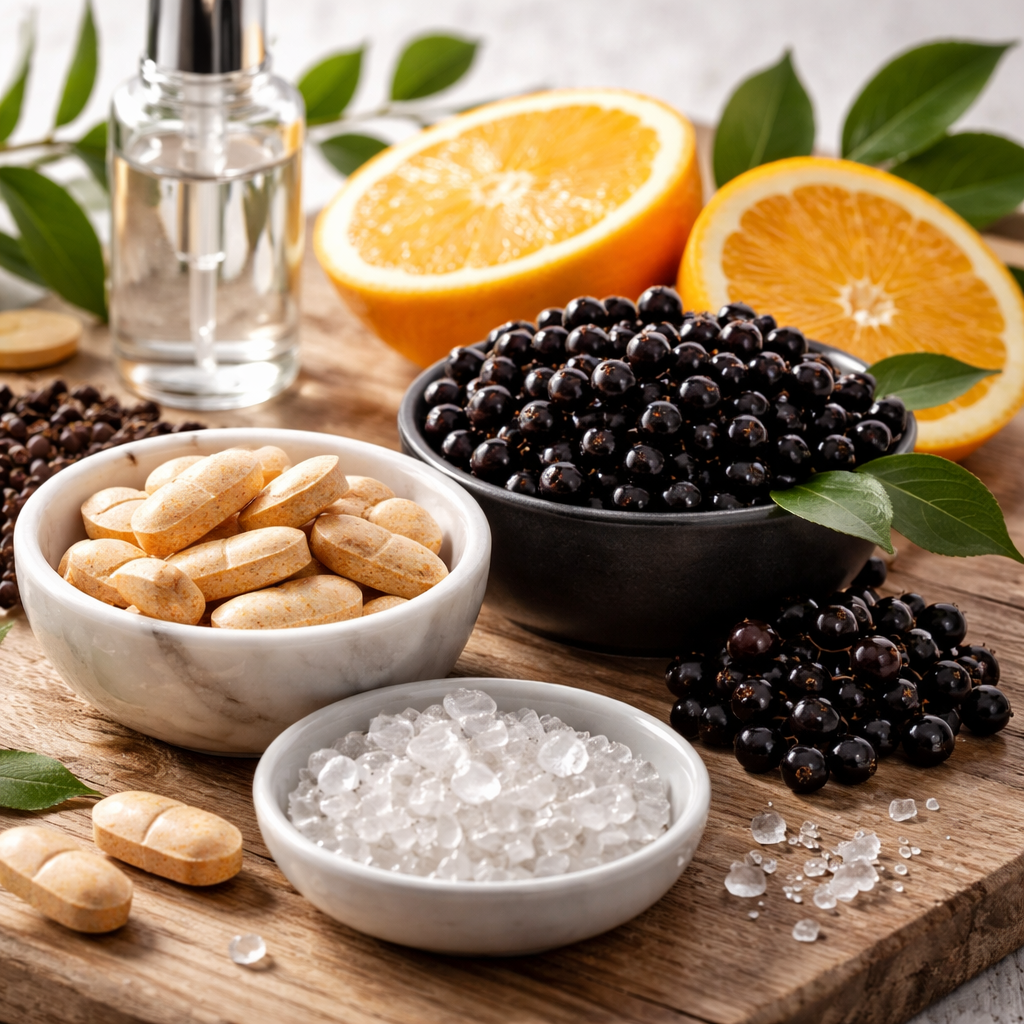
For deeper reading on the herbs, the Herb‑Pharm guide walks through each plant’s traditional use and the science behind it.
The same site also lists safe daily amounts, which helps you compare products side by side.
How to Choose the Right Natural Supplement for Your Lifestyle
First, think about your routine. Do you take pills with meals? Do you prefer gummies? Do you have any allergies? Your answer will narrow the format.
Second, check your diet. If you already eat citrus fruits daily, you may not need a high‑dose vitamin C pill. If you’re a vegetarian, look for a plant‑based vitamin D3 source like lichen.
Third, consider your health goals. Are you looking for everyday maintenance or a short‑term boost during flu season? A maintenance formula usually sticks close to the RDA, while a “seasonal” product may push the dose a bit higher , but still within safe limits.
Fourth, scan the label for third‑party testing. A seal from NSF or USP shows the product actually contains what it says.
Fifth, match price to value. The research found only three products listed a price, averaging $2.9 per month. If a supplement costs $30 a month, ask what extra it offers.
Here’s a quick step‑by‑step checklist you can print:
- Identify any nutrient gaps in your diet.
- Pick a format that fits your daily habits.
- Read the ingredient list for clear doses.
- Verify the form (e.g., zinc picolinate).
- Check for third‑party testing.
- Compare price per day.
For more on how nutrition ties into cellular repair, see Dna Repair And Genetic.... It explains how fasting and the right nutrients can work together.
And if you need a boost in everyday energy while you’re fine‑tuning your supplement, the Exuvital guide on Natural Ways to Boost Energy and Combat Fatigue offers practical tips.
Below is a short video that walks through how to read supplement labels and spot red flags.
Top Natural Supplement Options Backed by Science
We looked at the latest reviews from nutritionists who tested dozens of products in 2026. Below are the picks that scored highest on ingredient quality, dosage accuracy, and overall value.
1. BioCare Immune Boost , capsules, vegan, contains vitamin C 500 mg, vitamin D 2000 IU, zinc 15 mg, plus elderberry and mushroom beta‑glucan. Price per day about £1.05. The formula meets or exceeds the RDA for the core nutrients and adds proven botanicals.
2. Healf Value Immune , a one‑a‑day tablet that hits vitamin C 250 mg, vitamin D 1000 IU, zinc 10 mg, and selenium 55 µg. It’s the most budget‑friendly option while still covering the basics.
3. Cytoplan Mid‑Range Immune , vegan capsules with vitamin C 300 mg, vitamin D 800 IU, zinc 12 mg, plus beta‑glucan from reishi. Good for those who want a plant‑forward blend.
4. Look Fantastic Premium , two capsules daily, high‑dose vitamin D 4000 IU, vitamin C 1000 mg, zinc 25 mg, and a mix of elderberry, turmeric, and ginger. Best for short‑term seasonal use.
All four meet the science‑backed criteria we set out: clear dosing, bioavailable forms, and inclusion of at least one herb with documented immune benefits.
Read the full review on BBC Good Food for taste notes and user experiences.
Another look at the same guide gives insight into how the products performed in a blind taste test.
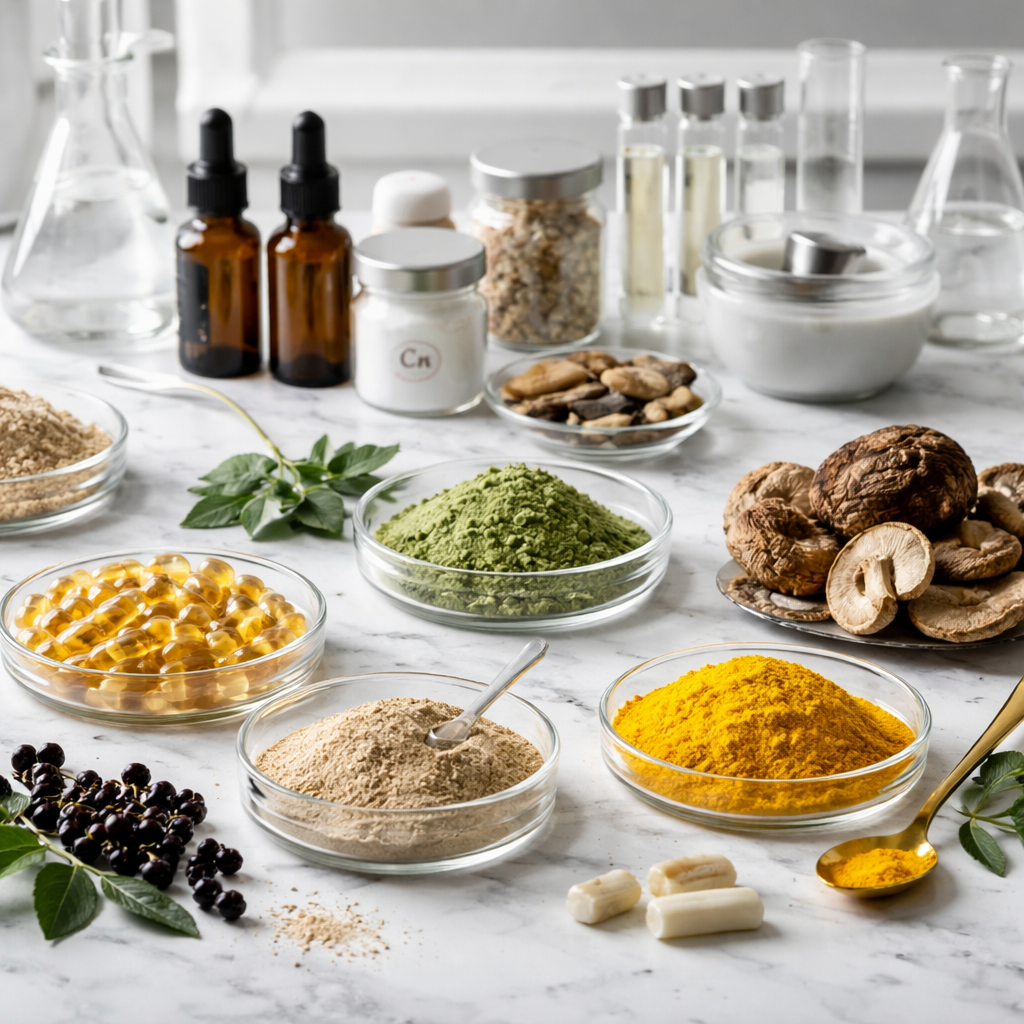
Quick Comparison of Leading Natural Immune Support Supplements
| Product | Core Nutrients | Botanicals | Price/Day | USP |
|---|---|---|---|---|
| BioCare Immune Boost | Vitamin C 500 mg, Vitamin D 2000 IU, Zinc 15 mg | Elderberry, Reishi beta‑glucan | £1.05 | Highest overall score |
| Healf Value Immune | Vitamin C 250 mg, Vitamin D 1000 IU, Zinc 10 mg, Selenium 55 µg | Turmeric, Ginger | £0.40 | Best value |
| Cytoplan Mid‑Range | Vitamin C 300 mg, Vitamin D 800 IU, Zinc 12 mg | Reishi, Elderberry | £0.74 | Vegan, allergen‑free |
| Look Fantastic Premium | Vitamin C 1000 mg, Vitamin D 4000 IU, Zinc 25 mg | Elderberry, Turmeric, Ginger | £1.20 | High dose seasonal |
The table shows that most top picks keep core nutrients near the RDA, while the premium option pushes them higher for short‑term use.
Our research also noted that only half of the 22 products disclosed a dosage at all. That’s why you should favor the brands in this table , they are transparent.
For more on why transparency matters, see the NIH health‑professional fact sheet. It stresses that clear labeling helps consumers make safe choices.
FAQ
What is the safest daily dose of vitamin C in a natural supplement for immune support?
The NIH says most adults need 75‑120 mg a day. A natural supplement for immune support that provides 250‑500 mg covers typical shortfalls without risking stomach upset. Stick to doses under 2 g unless a doctor advises otherwise.
Can a natural supplement for immune support replace a balanced diet?
No. Supplements fill gaps, they don’t replace whole foods. A varied diet gives fiber, phytonutrients, and the synergy of nutrients that a single pill can’t match. Use a natural supplement for immune support when you know you’re missing something, not as a meal replacement.
Are high‑dose mega‑supplements worth the cost?
Our data shows only a few products use mega‑doses, and they drive the average up. Most research says extra beyond the RDA offers little benefit for healthy adults and may increase side‑effects. Choose a product that stays near the RDA unless a clinician tells you otherwise.
How often should I take a natural supplement for immune support?
Daily use works best for maintenance. If you’re targeting a cold‑season boost, you can start a week before exposure and stop after symptoms pass. Consistency is key; the immune system builds strength over weeks, not days.
Do botanicals like elderberry or garlic interact with medications?
Yes, some herbs can affect blood thinners or blood pressure meds. Elderberry may increase clotting risk, and garlic can thin the blood. Always check with a health professional before adding a natural supplement for immune support that contains these herbs.
What should I look for on the label to ensure quality?
Look for clear dosage amounts, standardized extracts, and a third‑party seal (NSF, USP). Avoid proprietary blends that hide exact amounts. Transparent labels are a sign the brand stands behind its product.
Conclusion & Next Steps
Picking the right natural supplement for immune support isn’t about chasing the biggest dose. It’s about matching clear, research‑backed ingredients to your own diet gaps and lifestyle. The data we dug up shows most products hide their doses, and only a few give you real value.
Use the ingredient guide, the checklist, and the comparison table to narrow down your choice. If you’re still unsure, start with a modest, well‑rated formula that meets the RDA for vitamin C, vitamin D, and zinc, and see how you feel.
Want a brand that lives by transparency and science? Check out Exuvital’s own line in the Immunity & Wellness collection. Their products list exact doses, use bioavailable forms, and carry third‑party testing.
Stay consistent, keep an eye on how you feel, and remember that a balanced diet, good sleep, and stress management are the real foundations of a strong immune system. A natural supplement for immune support can help fill the gaps, but it works best when it’s part of a whole‑life approach.