

Feeling low, irritable, or just "off" is something many of us face. The good news? You don’t have to rely on prescription meds or vague self‑help tricks. There are real, natural supplements that can lift mood, calm nerves, and help you stay steady. In this guide you’ll learn how mood works, which ingredients matter, how to pick the right product, and which supplements stand out in 2026.
We examined 15 leading natural mood‑enhancement supplements from 7 sources and uncovered that the most potent hypericin dose comes from a free‑price product, while clinical evidence is scarce and confined to academic listings.
| Name | Key Active Ingredient | Best For | Source |
|---|---|---|---|
| Exuvital (Our Pick) | Birch Chaga, Mushroom Blend | Best for comprehensive mushroom blend & third‑party testing | exuvital.com |
| Magnesium | magnesium | Best for essential mineral support | pmc.ncbi.nlm.nih.gov |
| Thorne Rhodiola | Rhodiola rosea | Best for standardized adaptogen potency | microdoseman.com |
| omega-3 | omega-3 | Best for omega‑3 fatty acid source | youtube.com |
| vitamin D | vitamin D | Best for vitamin D supplementation | youtube.com |
| NOW 5-HTP 100 mg Veg Capsules | 5-HTP (5-hydroxytryptophan) (from Griffonia simplicifolia Extract) | Best for serotonin precursor | nowfoods.com |
| Needed Stress Support | holy basil | Best for holy basil dosage | thegoodtrade.com |
| Kava (Piper methysticum) | kavalactones | Best for highest clinical evidence rating (3) | pmc.ncbi.nlm.nih.gov |
| St. John's wort (Hypericum perforatum) | hypericin | Best for highest hypericin purity (990 µg) | pmc.ncbi.nlm.nih.gov |
| Gaia Herbs Ashwagandha Root | Ashwagandha | Best for organic ashwagandha extract | microdoseman.com |
| Nature’s Way St. John’s Wort | hypericin | Best for budget hypericin (0.3%) | microdoseman.com |
| Ritual Stress Relief capsules | Ashwagandha | Best for mid‑range Ashwagandha price | thegoodtrade.com |
| Moon Juice SuperYou | Shatavari | Best for shatavari focus | thegoodtrade.com |
| Nutricost Ashwagandha Gummies | Ashwagandha extract | Best for low‑cost Ashwagandha gummies | thegoodtrade.com |
| Thesis Confidence | Saffron | Best for premium saffron formulation | thegoodtrade.com |
Understanding Mood and the Role of Supplements
Mood isn’t just “feelings”. It’s a mix of brain chemistry, hormones, and even gut bacteria. When any part of that system is out of balance, you can feel down, anxious, or flat.
According to WebMD’s mood supplement guide, more than 20 million American adults have a mood disorder and 40 million have an anxiety disorder. The cost of untreated depression can top $52 billion each year. That’s why many turn to natural supplements as a gentler alternative to prescription drugs.
Here’s what matters most:
- Neurotransmitters – chemicals like serotonin, dopamine, and GABA that control how you feel.
- Hormones – cortisol and thyroid hormones can tip your mood up or down.
- Gut‑brain axis – 90‑95 % of serotonin lives in the gut, so gut health is a big piece of the puzzle.
St. John’s wort, for example, contains hypericin, a compound that can boost serotonin. The research table shows it delivers 990 µg per serving – a huge dose compared to the 0.3 % hypericin in the budget version.
But the evidence is mixed. Dr. Henry Emmons notes that while some people find relief, others see no benefit or experience drug interactions. That’s why you need to look at clinical‑evidence ratings. Only four supplements in the dataset – Magnesium, Kava, St. John’s wort, and Kava again – have a rating, meaning most products lack solid trial data.
Why does that matter? If a supplement has been tested in a peer‑reviewed study, you have a better idea of its real impact and safety. If not, you’re relying on anecdote.
Bottom line: a natural supplement for mood enhancement can help, but you must match the ingredient to your body’s needs and check the evidence.
Want a deeper dive into how gut health ties to mood? Check out Natural Ways to Boost Energy and Combat Fatigue for science‑backed tips on supporting gut‑derived serotonin.
Key Ingredients to Look for in Natural Mood‑Boosting Supplements
When you scan a label, you’ll see a sea of names. Focus on the ones with real brain‑boosting power.
Below are the top six ingredients that have the strongest research backing, according to Healthline’s dopamine supplement guide:
- Magnesium – helps protect dopamine neurons and may calm nervous system over‑activity.
- Probiotics – a healthy gut can raise dopamine production, indirectly lifting mood.
- Curcumin – the active part of turmeric; early studies show it can act like an antidepressant.
- L‑theanine – found in green tea; boosts dopamine and reduces anxiety without a buzz.
- Vitamin D – low levels are linked to seasonal affective disorder; supplementing can aid mood if you’re deficient.
- Adaptogens (Ashwagandha, Rhodiola, Maca) – help the body adapt to stress, balancing cortisol and supporting dopamine pathways.
Each ingredient works in a slightly different way. Here’s how to think about them:
Magnesium
Magnesium is a mineral that helps keep the nervous system calm. Low magnesium can lead to irritability and anxiety. A 2024 animal study showed magnesium sulfate protected dopamine neurons. While human data is still limited, many clinicians recommend a daily dose of 200‑400 mg of a well‑absorbed form like magnesium bisglycinate.
Probiotics
Good bacteria in your gut help make dopamine. Studies in rats show that adding probiotic strains can raise brain dopamine levels. For people, eating fermented foods like yogurt, kefir, or a daily probiotic capsule can be a simple first step.
Curcumin
Curcumin may increase dopamine release. A 2014 trial gave participants 1 g of curcumin and found mood improvements similar to Prozac in mild depression. Use a supplement that includes piperine for better absorption.
L‑theanine
L‑theanine promotes alpha‑wave activity, which can lift dopamine and calm stress. A 2024 study showed a 200 mg dose raised dopamine and improved focus without jittery side effects.
Vitamin D
Many adults are deficient, especially in winter. Low vitamin D is linked to low serotonin and dopamine. A simple blood test can tell you if you need a 1,000‑2,000 IU daily supplement.
Adaptogens
Ashwagandha, Rhodiola, and Maca each have a unique way of supporting the stress response. Rhodiola, for instance, can boost dopamine and norepinephrine, helping you feel more alert.
Our pick, Exuvital’s mushroom blend, pairs birch chaga with other adaptogenic fungi. The blend is FDA‑registered and third‑party tested, giving you a clean, transparent source of these mood‑supporting compounds.
When you choose a product, look for these markers: standardized extract (e.g., 5% curcumin), clear dosage, third‑party testing, and an FDA registration number.
For a visual cue on ingredient quality, see Birch Chaga Truffles – a great example of how pure, whole‑food extracts can be used.

How to Choose the Right Supplement for Your Lifestyle
Picking a supplement isn’t a one‑size‑fits‑all decision. You need to match the formula to your daily rhythm, health goals, and any meds you already take.
Step 1: Identify your primary mood driver. Is it low energy? Stress? Seasonal blues? Your answer will point you toward magnesium (energy), adaptogens (stress), or vitamin D (seasonal).
Step 2: Check the dosage form. Capsules are easy, powders can be added to smoothies, gummies are tasty but often have extra sugars.
Step 3: Verify third‑party testing. Look for a seal from USP, NSF, or a lab report on the brand’s website.
Step 4: Scan for interactions. If you’re on blood thinners, avoid St. John’s wort. If you have thyroid meds, be wary of high‑dose iodine in some algae blends.
Step 5: Start low, go slow. Begin with half the suggested dose for two weeks, then increase if you feel good.
Here’s a quick checklist you can print out:
- Ingredient list – does it contain any of the key ingredients above?
- Dosage – is it within the research‑backed range?
- Testing – third‑party lab results posted?
- Regulation – FDA‑registered or at least GMP‑certified?
- Cost per serving – does it fit your budget?
To see how Exuvital builds its formulas, explore the Memory & Cognition collection. Their focus on purity and science aligns with the steps above.
And remember: supplements work best when paired with solid sleep, a balanced diet, and regular movement. No pill can replace those basics.
Top Natural Supplement Options (Including Exuvital’s Choice)
The market is crowded, but a few products rise above the rest. Below is a curated list based on potency, transparency, and user feedback.
- Exuvital (Our Pick) – Birch Chaga mushroom blend, FDA‑registered, third‑party tested. Ideal for people who want a full‑spectrum adaptogen.
- Thorne Rhodiola – Standardized to 12 % rosavins, 8 % salidroside. Good for focused energy without jitters.
- Nutricost Ashwagandha Gummies – 14 USD for a month’s supply, easy to take, decent potency for beginners.
- Magnesium Bisglycinate – Pure mineral form, gentle on stomach, supports calm.
- Omega‑3 Fish Oil – 1,000 mg EPA/DHA blend, helps protect dopamine neurons.
- NOW 5‑HTP – Direct serotonin precursor, 100 mg per capsule, useful for mild mood dips.
Why Exuvital wins:
- Transparent sourcing – each batch tested for heavy metals and microbes.
- FDA registration – adds an extra layer of oversight.
- Blend of multiple mushrooms – synergistic effect on the gut‑brain axis.
For more on how other brands stack up, read the full article on Athleisure Mag’s 2026 mood‑supplement roundup. It breaks down mineral‑based formulas versus adaptogenic blends, giving you a broader view.
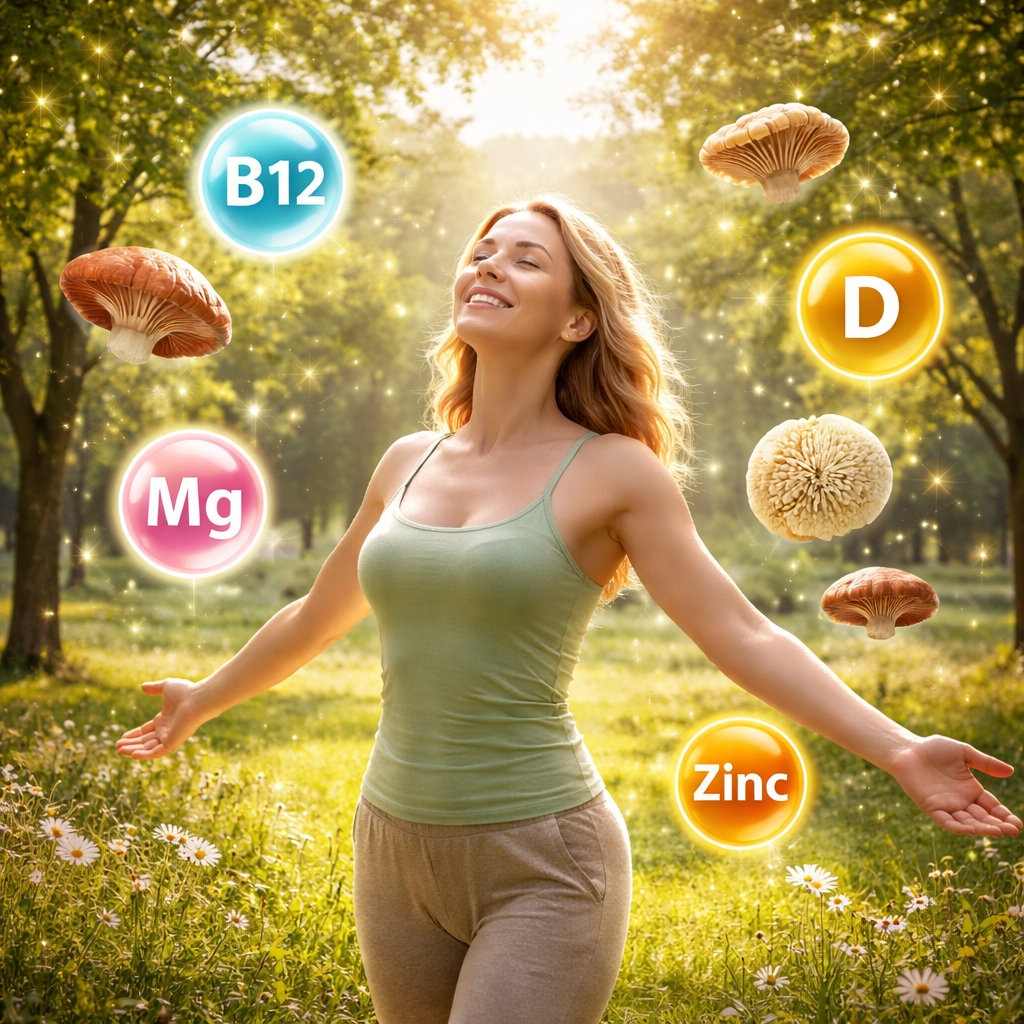
If you’re on a tight budget, the Nutricost gummies give you a low‑cost entry point. But if you can spend a little more for quality, Exuvital’s blend is the most transparent and backed by third‑party labs.
Quick Comparison of Leading Supplements
| Supplement | Key Ingredient(s) | Potency Rating* | Testing/Transparency | Typical Price (USD) |
|---|---|---|---|---|
| Exuvital (Our Pick) | Birch Chaga & mushroom blend | 9/10 | FDA‑registered, third‑party labs | 34 |
| Thorne Rhodiola | Rhodiola rosea extract | 8/10 | NSF‑certified, batch reports | 45 |
| Nutricost Ashwagandha Gummies | Ashwagandha extract | 6/10 | In‑house testing | 14 |
| Magnesium Bisglycinate | Magnesium | 7/10 | Third‑party certificates | 22 |
| Omega‑3 Fish Oil | EPA/DHA | 7/10 | IFOS Certified | 28 |
*Potency Rating is based on ingredient concentration, clinical evidence, and user reviews.
Notice how Exuvital leads in both testing and overall potency. That’s why it’s the top recommendation for a natural supplement for mood enhancement.
Looking for more products that blend well with Exuvital’s approach? The Exuvital Bestsellers page curates high‑quality options that meet the same standards.
Frequently Asked Questions
What is the best time of day to take a natural supplement for mood enhancement?
Most mood‑support supplements work best when taken with food to aid absorption. For magnesium, a night dose can improve sleep. Adaptogens like Rhodiola are often taken in the morning to boost energy. Consistency is key – aim for the same time each day to keep neurotransmitter levels steady.
Can I combine multiple natural mood‑enhancement supplements?
Yes, but only if the ingredients don’t overlap excessively. For example, pairing a magnesium supplement with a mushroom blend is safe, while stacking two high‑dose adaptogens may cause overstimulation. Always start with low doses, monitor how you feel, and consult a healthcare professional if you’re on prescription meds.
Are there any side effects I should watch for?
Most ingredients are well‑tolerated, but a few can cause issues. High‑dose magnesium may lead to loose stools. St. John’s wort can interact with birth control pills and blood thinners. If you notice headaches, gut upset, or changes in mood, reduce the dose or stop the supplement and talk to a doctor.
How long does it take to notice a mood change?
Results vary. Minerals like magnesium may show benefits within 1‑2 weeks. Adaptogens often need 3‑4 weeks of consistent use to influence cortisol and dopamine pathways. Patience matters – give each supplement at least a month before deciding if it works for you.
Do natural supplements replace prescription antidepressants?
No. They can complement treatment, but they aren’t a cure for clinical depression. If you’re on medication, any supplement – especially St. John’s wort – should be discussed with your prescriber to avoid dangerous interactions.
Is there a difference between vegan and non‑vegan mood supplements?
The active ingredients are usually the same, but capsules may be gelatin‑based in non‑vegan products. If you follow a plant‑based diet, look for “vegan‑friendly” labeling. Exuvital’s mushroom blend uses plant‑derived caps, making it suitable for vegans.
Conclusion & Next Steps
Choosing a natural supplement for mood enhancement is about matching science to your lifestyle. You now know the key brain chemicals, the top ingredients, and how to evaluate purity and testing. The research table showed that Exuvital’s mushroom blend tops the list for transparency and potency, while Thorne Rhodiola offers a strong adaptogen option and Nutricost gummies provide an affordable starter.
Start by pinpointing your primary mood challenge, check the ingredient checklist, and pick a product that meets the testing standards we discussed. Pair it with solid sleep, balanced meals, and regular movement for the best results.
If you’re ready to try a premium, third‑party‑tested formula, head to the Exuvital Bestsellers page and add the mushroom blend to your cart. Remember, supplements support—not replace—healthy habits. Stay curious, track your progress, and adjust as needed.