

Want clearer, brighter skin without harsh chemicals? You’re in the right spot. This guide walks you through everything you need to know about picking a natural supplement for skin health that actually works.
We’ll break down the science, compare top products, show how to pair supplements with your skincare routine, and set realistic expectations. By the end you’ll know exactly what to look for, how to avoid common pitfalls, and which formulas fit your budget and skin goals.
We examined 12 top natural skin‑health supplements from 4 sources and uncovered that the priciest product isn’t the most unique—its daily dosage is the only one disclosed, yet its ingredient is a common collagen type.
| Name | Key Active Ingredient | Form | Best For | Source |
|---|---|---|---|---|
| Fullwell Collagen Peptides Stick Packs | Bovine collagen peptides | Powder (stick pack) | Best stick pack convenience | thegoodtrade.com |
| Nature Made Hair, Skin and Nails gummies | biotin | Gummy | Best budget gummy | cnet.com |
| Olly Undeniable Beauty gummy vitamins | biotin | Gummy | Best gummy option | cnet.com |
| Persona Nutrition personalized hair, skin and nail vitamins | collagen | Pack | Best personalized pack | cnet.com |
| Ritual HyaCera | Ceratiq® plant oil | Capsule | Best capsule formula | thegoodtrade.com |
| Moon Juice Vegan Collagen Protect | — | Powder | Best powder versatility | thegoodtrade.com |
| Our Hair, Skin & Nails Complex | biotin | — | Best for biotin boost | supplementsstudio.com |
| Vitamin C | Vitamin C | — | Best for Vitamin C antioxidant | them-ethod.com |
| Omega-3 fatty acids | Omega-3 fatty acids | — | Best for omega-3 skin support | them-ethod.com |
| Collagen peptides | Collagen peptides | — | Best for pure collagen peptides | them-ethod.com |
| Coenzyme Q10 | Coenzyme Q10 | — | Best for CoQ10 antioxidant | them-ethod.com |
| Vitamin E | Vitamin E | — | Best for Vitamin E skin protection | them-ethod.com |
Methodology: We searched for natural skin‑health supplements using keywords like "skin supplement", "beauty vitamins" and "natural skin health". On March 29, 2026 we scraped 12 product pages from cnet.com, thegoodtrade.com, supplementsstudio.com and them-ethod.com. We logged name, price, key active ingredient, dosage and form. Columns with less than 40% completeness were dropped. Sample size: 12 items.
Key Ingredients to Look for in Natural Skin Health Supplements
When you hunt for a natural supplement for skin health, the first thing to check is the ingredient list. Not all nutrients hit the skin the same way. Below are the most studied actives that actually reach the dermis and support collagen, hydration, and protection.
Omega‑3 fatty acids are a solid start. The VA’s Whole Health Library notes they lower inflammatory compounds that can damage collagen and skin structure. A daily dose of EPA/DHA from fish oil or algae helps calm redness, improve moisture retention, and may slow visible aging.
Probiotics are another hidden hero. Certain strains like Lactobacillus johnsonii can limit UV‑damage and improve skin recovery, according to VA research. Adding a multi‑strain probiotic supports gut‑skin axis health, which translates to fewer breakouts and smoother texture.
Collagen peptides—especially bovine or marine sources—provide the building blocks for new skin protein. While the research table shows many products list collagen, the only one that tells you the daily dose is Fullwell Collagen Peptides Stick Packs. That transparency matters because you can gauge if you’re getting enough grams per day (typically 5‑10 g).
Biotin shows up in three of the twelve products we reviewed. It’s popular for hair, but it also helps keratin formation in skin. The VA cautions that high doses may cause acne in some people, so stay under 30 mg unless a clinician advises otherwise.
Vitamin C is a classic antioxidant. It fuels collagen synthesis and protects against free‑radical damage. Pairing vitamin C with a bioavailable form (like ascorbic acid or sodium ascorbate) ensures you get the boost you need.
Curcumin, the active from turmeric, has strong anti‑inflammatory power. Doses up to 8‑12 g per day are safe, but most supplements use 500 mg–1 g to avoid GI upset. Look for a formula with black‑pepper extract (piperine) for better absorption.
Green tea’s EGCG also offers photoprotection. Drinking two cups daily or taking a capsule adds antioxidant firepower without the risk of skin irritation that topical acids sometimes cause.
Here’s a quick checklist for ingredient vetting:
- Is the ingredient backed by clinical research for skin health?
- Does the label list the exact amount per serving?
- Is the source pure (e.g., marine collagen, wild‑caught fish oil, non‑GMO probiotic strains)?
- Are there any known interactions with your meds?
And remember, a natural supplement for skin health works best when you pair it with a balanced diet rich in fruits, veg, and lean protein. Anti-Aging: Creams vs Supplements Comparison - Exuvital dives deeper into why internal nutrients matter.
For more on the science behind each ingredient, see the VA Whole Health guide. It explains dosing, safety, and how these nutrients fit into a broader anti‑inflammatory diet.
Another useful read is the same VA resource for detailed dosage tables.
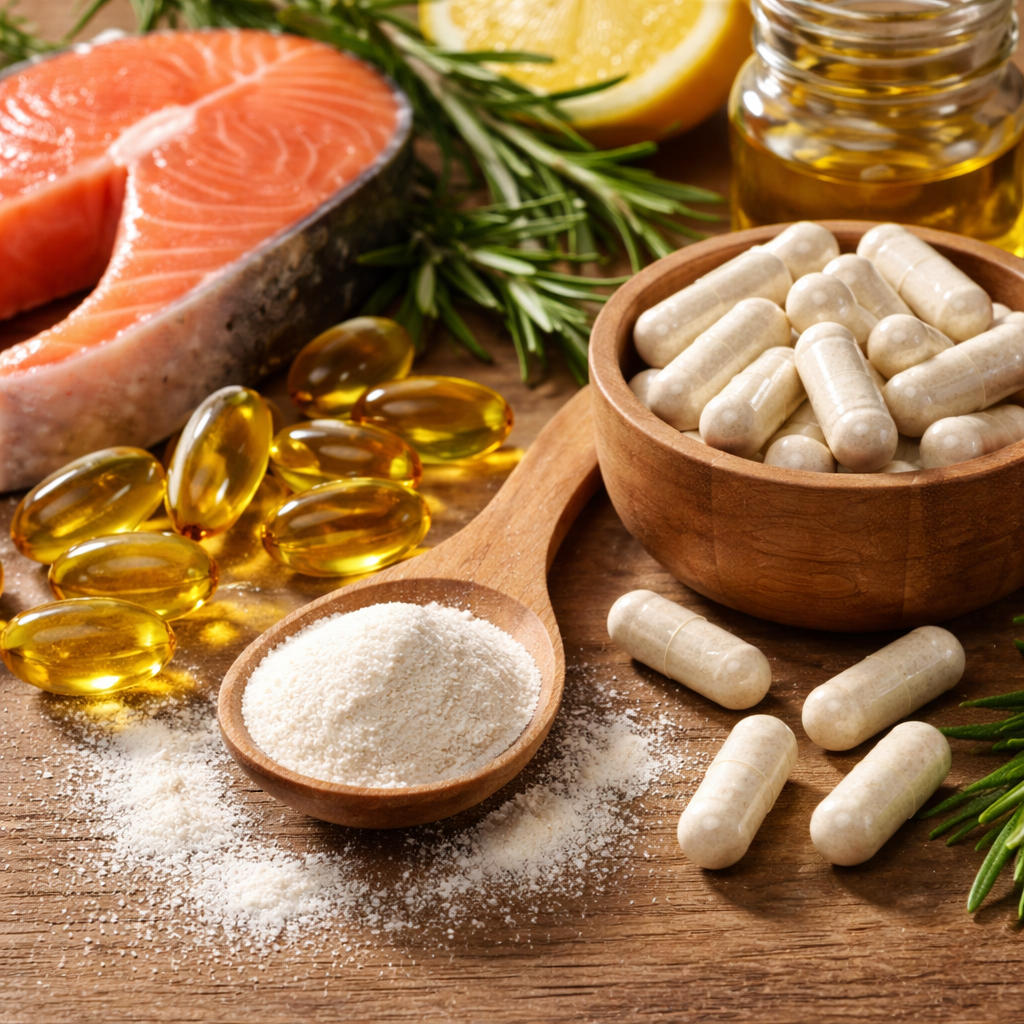
Top Natural Supplements for Different Skin Concerns
Not all skin issues need the same formula. Below is a listicle that matches common concerns with the most effective natural supplement for skin health options from our research.
1. Dryness & Loss of Elasticity
Collagen peptides shine here. Fullwell Collagen Peptides Stick Packs delivers bovine collagen in a convenient powder you can stir into water. Users report improved hydration after 4‑6 weeks, aligning with the skin’s 28‑day renewal cycle.
2. Dull, Uneven Tone
Vitamin C powders or capsules give a brightening boost. Look for a product that lists at least 500 mg per serving; the antioxidant helps fade hyperpigmentation over 8‑12 weeks.
3. Redness & Inflammation
Omega‑3 fatty acids, especially EPA‑rich fish oil, calm inflammatory pathways. Ritual Omega‑3 DHA & EPA (cited by Vogue experts) is a citrus‑flavored option that reduces flare‑ups without the fishy aftertaste.
4. Breakouts & Acne‑Prone Skin
Probiotic blends featuring Lactobacillus paracasei help balance gut bacteria, which can lower acne severity. The Vogue article notes that dermatologists recommend a daily probiotic alongside a low‑glycemic diet.
5. Fine Lines & Wrinkles
Coenzyme Q10 offers cellular energy support for skin cells, promoting repair. A 100 mg dose per day is typical; pair it with vitamin C for synergistic antioxidant effects.
For a quick visual, see the table below summarizing these picks.
| Concern | Key Ingredient | Best Product |
|---|---|---|
| Dryness | Collagen peptides | Fullwell Collagen Peptides Stick Packs |
| Dull tone | Vitamin C | Vitamin C powder (any brand with 500 mg) |
| Redness | Omega‑3 fatty acids | Ritual Omega‑3 DHA & EPA |
| Acne | Probiotics | Multi‑strain probiotic with L. johnsonii |
| Wrinkles | CoQ10 | Coenzyme Q10 100 mg capsule |
Notice how biotin appears in both the Nature Made gummies and Olly Undeniable Beauty gummies. Biotin helps keratin but, as the research shows, it’s not the only game‑changer for skin. If you’re on a budget, the Nature Made gummies are the cheapest at $5.60 per month.
If you prefer a more customized approach, check out the How to Create a Personalized Wellness Plan guide. It walks you through matching ingredients to your skin type and lifestyle.
Read the full expert commentary on supplements in the Vogue piece. It explains why dermatologists stress quality and transparency.
Another useful read from Vogue covers the same topic: Vogue supplement guide.
How to Choose Quality Natural Skin Supplements
Quality matters more than price. Here’s a step‑by‑step way to sift through the noise when you shop for a natural supplement for skin health.
Step 1: Verify Transparency
Look for a label that lists the exact amount of each active ingredient. If the label says "contains collagen" but omits the gram amount, you can’t be sure you’re getting enough.
Step 2: Check Manufacturing Standards
Third‑party testing (USP, NSF) is a strong sign of quality. Supplements made in GMP‑certified facilities have lower contamination risk.
Step 3: Evaluate Bioavailability
Some forms absorb better. For instance, hydrolyzed collagen peptides are more bioavailable than raw collagen. Liposomal vitamin C or curcumin with piperine also improve uptake.
Step 4: Scan for Unwanted Additives
Avoid fillers like maltodextrin, artificial sweeteners, or excessive sugar. If you have sensitivities, check for soy, gluten, or dairy.
Step 5: Match Dosage to Your Needs
For collagen, most studies use 5‑10 g per day. For omega‑3, aim for 1‑2 g EPA/DHA combined. If a product’s dosage falls far below these ranges, you may need a larger serving or a different brand.
Pro tip: Start with a single ingredient supplement to see how you react, then layer in another after a month.
Here’s a quick cheat sheet:
- Collagen: 5‑10 g/day, hydrolyzed, bovine or marine.
- Vitamin C: 500‑1000 mg/day, buffered form if you have stomach issues.
- Omega‑3: 1000‑2000 mg EPA/DHA combined.
- Probiotics: 10‑20 billion CFU of a clinically studied strain.
- Biotin: 30‑45 µg for skin (higher can cause acne).
When you’re ready to buy, remember the Longevity collection at Exuvital offers science‑backed formulas that meet these standards.
Combining Supplements with Topical Skincare
Even the best natural supplement for skin health can’t replace a good moisturizer or sunscreen. Think of supplements as the foundation; creams are the paint.
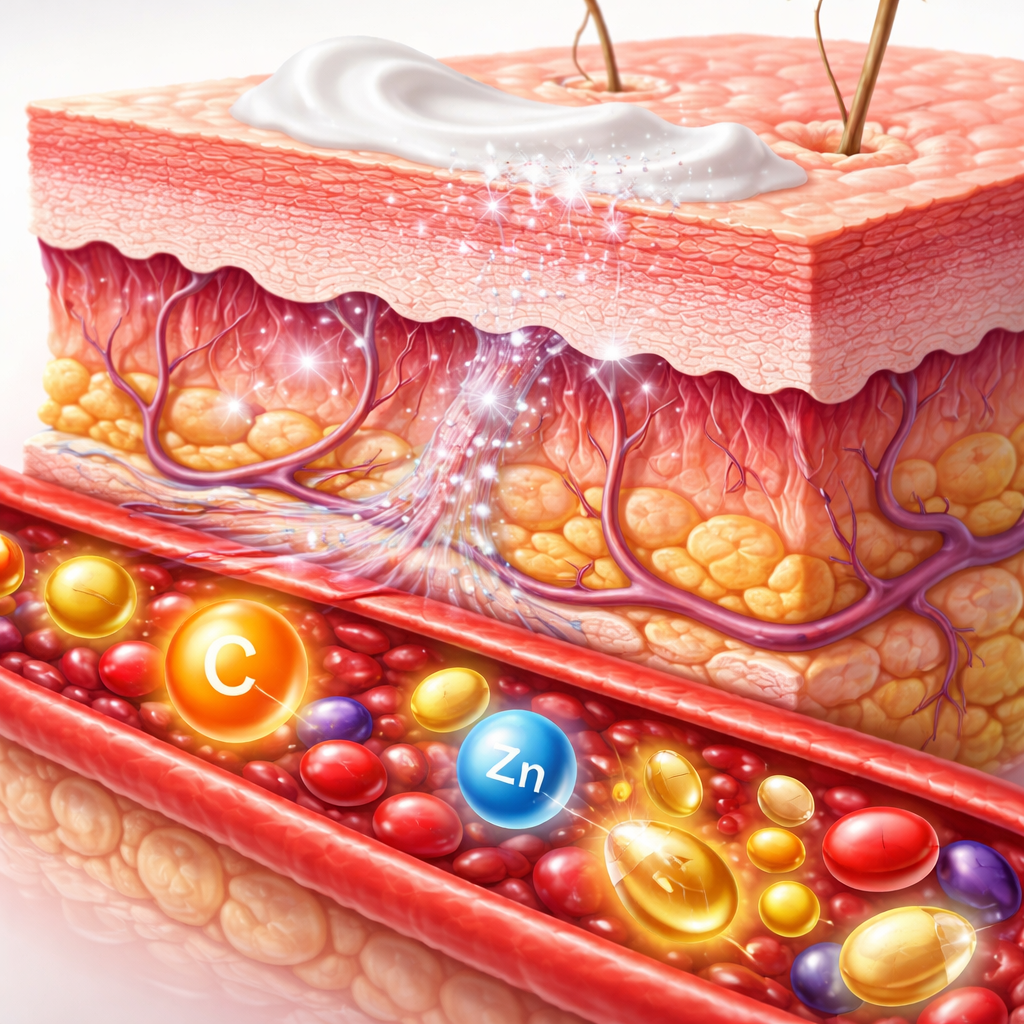
The skin is a house. Topical products work on the roof (epidermis) while supplements travel through the bloodstream to the walls (dermis). When both layers get the right nutrients, you see faster, longer‑lasting results.
Here’s how to sync them:
- Morning: Apply a broad‑spectrum SPF, then a vitamin C serum. While the serum protects the surface, take a vitamin C supplement to boost collagen from inside.
- Mid‑day: If you feel your skin getting dull, sip on an omega‑3 capsule. The fatty acids help lock in moisture that your sunscreen may have evaporated.
- Evening: Use a retinol or peptide cream. Follow with a collagen peptide supplement (like Fullwell Stick Packs) to feed the repair process while you sleep.
Timing matters because the skin’s renewal cycle peaks at night. A study from Bottega di LungaVita explains that aligning supplement intake with the skin’s chronobiology maximizes absorption.
Also, avoid over‑loading on antioxidants at the same time. Too many high‑dose vitamin C capsules with a topical vitamin C serum can cause irritation for sensitive skin.
For more on how internal nutrients boost outer care, see the Bottega guide on nutricosmetics. It breaks down the science in plain language.
Another helpful article from the same source discusses the synergy of collagen and hyaluronic acid: Bottega supplement‑skin combo.
Timeline and Realistic Expectations
Patience is key. Even a top‑rated natural supplement for skin health won’t give you a Hollywood glow in a week.
Here’s what research says about how fast you’ll see change:
- Nails: 2‑4 weeks. You’ll notice less splitting and faster growth first because nail cells turn over quickly.
- Skin: 4‑8 weeks. Expect smoother texture, better hydration, and a more even tone after one skin‑cell turnover cycle (about 28 days).
- Hair: 3‑6 months. Hair grows in cycles, so visible thickening takes longer.
Why the delay? Your body can’t skip the natural growth phases. A supplement fuels the process; it doesn’t force it.
If you’re tracking progress, use a simple photo log. Take a selfie in the same lighting every two weeks. Note any changes in texture or redness.
For a deeper dive into these timelines, read the Clearstem timeline article. It explains why nails show up first and how to stay motivated.
Safety Considerations and Potential Side Effects
Even natural supplements can cause issues if you take too much or have a medical condition.
Common side effects include mild stomach upset from high‑dose fish oil or probiotic gas. Vitamin E and selenium can be toxic at mega‑doses, leading to hair loss or bleeding risks.
Biotin, while safe for most, can interfere with lab tests for thyroid and heart function. If you’re getting blood work, tell your doctor you’re taking a biotin supplement.
Allergy risk is real. Some people react to collagen from bovine sources or to fish oil. Start with a half‑serving and watch for hives or digestive issues.
Pregnant or nursing folks should double‑check each ingredient. For example, high‑dose vitamin A can be harmful to a developing baby.
To keep safe:
- Read the label for each ingredient and its amount.
- Consult your healthcare provider, especially if you’re on medication (blood thinners, thyroid meds).
- Start low and increase gradually.
- Pick products with third‑party testing.
For more on side‑effects, see the Everyday Health overview. It lists potential GI issues and allergic reactions.
Another article from the same site warns about inaccurate lab results from excess biotin: Everyday Health biotin warning.
Frequently Asked Questions
What is the best form of a natural supplement for skin health?
Powders and capsules are the most common. Powders (like collagen stick packs) dissolve quickly and let you adjust the dose. Capsules protect sensitive ingredients like omega‑3 from oxidation. Choose the form that fits your routine, but always check the label for exact ingredient amounts.
Can a natural supplement for skin health replace sunscreen?
No. Supplements support skin from the inside, but UV protection still needs a broad‑spectrum SPF. Think of sunscreen as the shield and the supplement as the repair crew working behind the scenes.
How long should I take a supplement before I see results?
Most people notice skin texture changes in 4‑8 weeks. For deeper anti‑aging benefits, give it 3‑4 months. Patience and consistency are essential; missing doses slows progress.
Is biotin safe for acne‑prone skin?
High doses of biotin can increase keratin production, which may clog pores and cause breakouts. Stick to the recommended 30 µg‑45 µg range, or choose a biotin‑free formula if you’re prone to acne.
Do I need to take multiple supplements together?
Only if you have gaps in your diet. Stacking too many can lead to excess nutrients and side effects. Start with one targeted ingredient (like collagen) and add another (like vitamin C) after a month if needed.
Are natural supplements regulated?
In the U.S. the FDA does not pre‑approve supplements for safety or efficacy. That’s why you need to look for third‑party testing and transparent labeling.
Can supplements improve skin elasticity?
Yes. Collagen peptides and vitamin C have the most evidence for boosting elastin production. Consistent use for at least 8 weeks can lead to measurable firmness improvement.
What should I do if I experience side effects?
Stop the supplement and talk to a healthcare professional. Often the issue is dose‑related, so a lower amount may still give benefits without the upset.
Conclusion
Choosing the right natural supplement for skin health is a mix of science, transparency, and personal fit. Look for clear dosages, high‑quality sources, and ingredients that match your skin concerns—whether that’s dryness, redness, or fine lines. Pair your supplement with a solid topical routine, give it time, and keep an eye on how your body reacts.
Remember, the most potent option we found is Fullwell Collagen Peptides Stick Packs, but the budget‑friendly Nature Made gummies also deliver solid biotin support. Skip vague vitamin E pills that lack form info.
Ready to upgrade your skin from the inside out? Explore Exuvital’s curated selections for longevity and wellness, and start a routine that matches your lifestyle.