
Most men in their 30s and beyond hit a wall where energy drops and confidence wavers.
That feeling isn’t a sign you’re getting old; it’s often a dip in natural testosterone that your body can fix with the right nutrients.
In this guide you’ll get clear, plain natural testosterone booster supplement reviews that cut through hype and give you real options.
First, know what to look for: ingredients that the body can use easily, like zinc, magnesium, and tribulus. Avoid anything that claims a miracle dose of synthetic hormone.
Here’s a quick checklist you can run while you read each review:
- Is the formula transparent about each ingredient?
- Do the doses match what research says works?
- Is the product made by a brand that stresses purity and science?
Take a look at Alpha Code XY, a premium blend that skips added testosterone but packs zinc, magnesium, and longjack in doses that align with studies on natural support.
When you compare, write down the ingredient list, the serving size, and any third party testing info. That simple table helps you spot fillers fast.
Imagine you’re picking a supplement for a busy week of work and workouts. A product that dissolves quickly in water, tastes neutral, and can be taken with breakfast wins over a large pill that sits heavy in your stomach.
By the end of these reviews you’ll know which brands stick to science and which are just hype, so you can choose a booster that fits your daily routine without fuss.
Understanding How Natural Testosterone Boosters Work
Your body can naturally lift testosterone levels without synthetic hormones. It does this by using the right nutrients at the right time, letting your own system do the work. You’ll notice steadier mood, better workouts, and a calmer mind.
It starts with the enzymes that turn zinc, magnesium and vitamin D into the building blocks of testosterone. When those minerals are present in usable amounts, the glands can crank out more hormone on demand. This process also relies on healthy sleep and low stress, because cortisol can block the same pathways.
One formula that follows this science is Alpha Code XY supplement. It blends zinc, magnesium, tribulus and longjack in doses that match what studies show works, and it skips any added testosterone. The blend also includes antioxidant berries that help protect cells during hormone production.
After you see how the body uses these nutrients, ask yourself three things: are the amounts clear, are they backed by research, and is the product tested by a third party? A simple checklist helps you cut out filler and focus on pure support. If a label lists a vague blend or hides the exact milligrams, walk away, clarity wins every time.
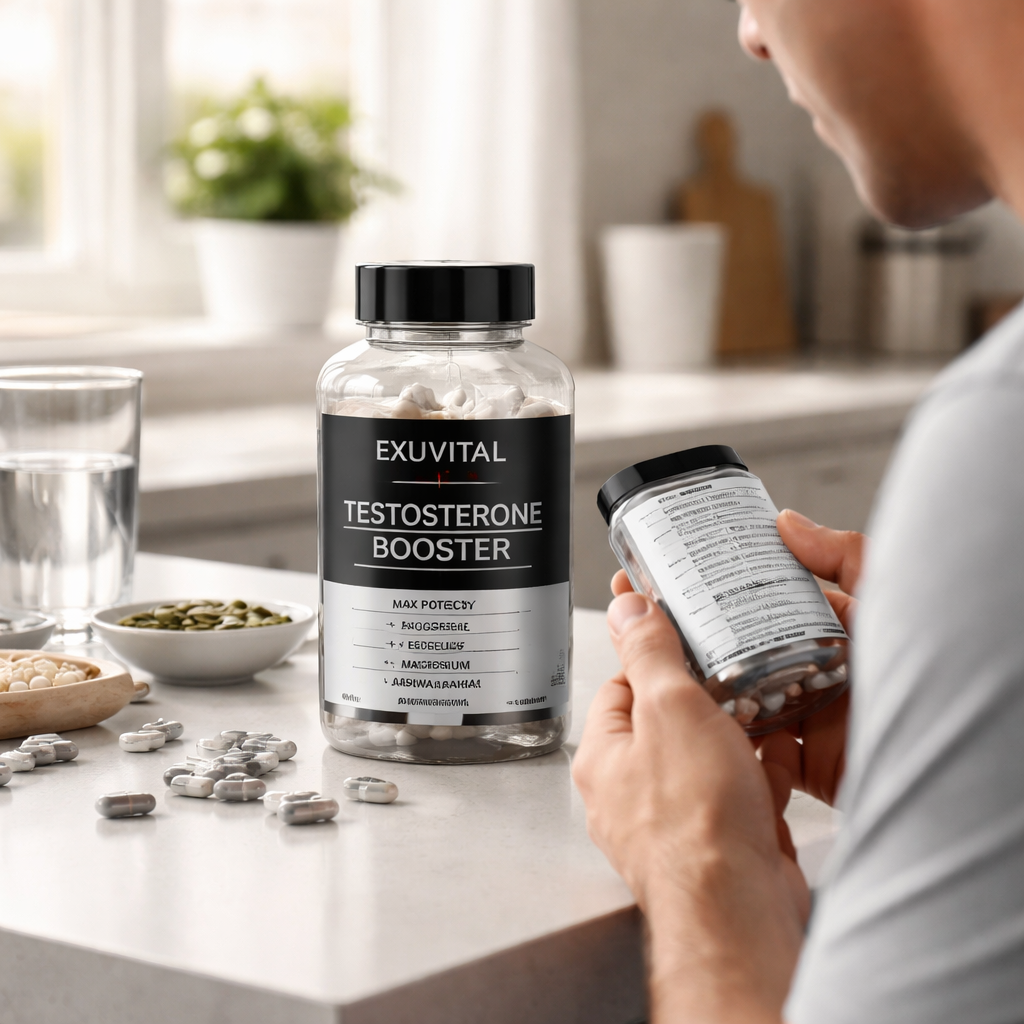
Start with a small dose, track your energy for a week, then adjust if you feel stronger. Keep the routine consistent with meals, and you’ll see a steady lift without the crash of synthetic pills.
Step 1: Identify Your Baseline Hormone Levels
Before you add any supplement, you need to know where you start. Hormone levels can swing a lot, so a quick snapshot helps you see what your body actually needs.
First, schedule a simple blood test. Many labs let you order a testosterone panel online and drop off a vial at a local clinic. You’ll get numbers for total testosterone, free testosterone, and a few related hormones like SHBG. Those three values give you a clear picture.
If you’re not ready for a lab, a at‑home finger‑prick kit works too. It won’t be as detailed as a full panel, but it still shows whether you’re low, normal, or high. Look for kits that list the specific hormones they measure.
Once you have the results, write them down next to the recommended ranges from the lab. That side‑by‑side view lets you spot gaps fast. For example, a total testosterone of 350 ng/dL with a normal range of 400‑700 ng/dL tells you you’re a bit low.
Next, note any symptoms you’ve been feeling – low energy, reduced drive, or slower recovery after workouts. Pair those feelings with the lab numbers. If the numbers and symptoms line up, you have a solid reason to try a natural booster.
Action checklist:
- Order a testosterone panel or at‑home kit.
- Record the exact numbers and the lab’s reference range.
- Jot down 3‑5 symptoms you’ve noticed lately.
- Match the numbers to your symptoms to see if a boost makes sense.
Remember, a baseline lets you track progress. When you start a supplement, you can retest after 4‑6 weeks and see if the numbers move in the right direction.
For a quick look at how Exuvital frames its purpose and quality, check out ABOUT US Company Overview and Mission - Exuvital. Knowing the brand’s focus on pure, science‑driven formulas can help you pick a product that fits your baseline goals.
Step 2: Choose Proven Natural Ingredients
Now that you know where you start, the next move is picking the right ingredients. You want stuff that research shows actually helps the body make more testosterone.
First, look for zinc. Studies point to about 30 mg per day as a sweet spot. Zinc picolinate is a form your gut likes to pull in. If the label says “zinc citrate,” you might not get as much.
Next, magnesium. Aim for 200‑400 mg of a chelated type such as magnesium glycinate. That form stays soluble and skips the gut irritation many pills cause.
Vitamin D is the third pillar. Most adults need 1,000‑2,000 IU daily, especially if you live in a cloudy climate. Check the label for “D3” – it’s the version the body uses best.
Herbs like longjack (Tongkat Ali) and tribulus can add a mild boost, but only if they’re standardized to 1‑2 % eurycomanone for longjack. Anything less is just filler.
Here’s a quick checklist you can print:
- Zinc: 30 mg, picolinate.
- Magnesium: 200‑400 mg, glycinate.
- Vitamin D3: 1,000‑2,000 IU.
- Longjack: 200‑300 mg, 1‑2 % eurycomanone.
- Tribulus: 500‑750 mg, 40‑45 % saponins.
Match each line to the product you’re eyeing. If a label misses any of these, you can add a separate pill or powder to fill the gap.
One practical way to see how a formula stacks up is to compare it against the Sexual Health & Energy collection. The page lists the key minerals and doses for each item, so you can spot the ones that hit the targets.
Remember, more isn’t always better. Overdoing zinc can block copper, and too much magnesium may cause loose stools. Stick to the ranges above and you’ll keep balance.
Need a quick tool to track your daily intake? Check out Best Social Media Scheduling Software for Marketers in 2026. It actually includes a free spreadsheet template that many health bloggers share for supplement tracking.
And if you’re curious about how AI can keep your supplement log tidy, see How to Choose and Use an AI SEO Audit Tool in 2026. The guide walks through setting up simple automations.
Step 3: Evaluate Top Supplement Options
Now that you’ve got your baseline and know which ingredients matter, it’s time to size up the actual products on the shelf.
What to look at first
Check the label for the exact dose of zinc, magnesium and vitamin D. Anything far off the 30 mg zinc or 200‑400 mg magnesium range is a red flag. Also note the form picolinate for zinc and glycinate for magnesium are the most absorbable.
Next, scan for herbal extracts. Longjack should read “1‑2 % eurycomanone” and tribulus “40‑45 % saponins.” If a product lists only “herbal blend” without a standardisation number, you’re probably looking at filler.
Side‑by‑side check
Grab a notebook or a spreadsheet. Write down each product’s serving size, pill count, and price per month. Then rank them on three simple criteria: ingredient transparency, dosage accuracy, and ease of use.
For example, a hypothetical “Premium Boost” that offers 30 mg zinc picolinate, 300 mg magnesium glycinate, 1500 IU vitamin D3, and 200 mg longjack (1.5 % eurycomanone) in two capsules scores high on transparency and convenience.
Compare that to a “Budget Blend” that hits the zinc dose but uses zinc citrate and packs 500 mg magnesium oxide the latter is less absorbable and may cause stomach upset.
Real‑world tips
One practical tip: buy a single bottle, take it for four weeks, then log any changes in energy or sleep. If you notice no shift, it’s probably not a good match.
Another tip: look for third‑party testing badges. Brands that post a clear certificate of analysis give you extra confidence that the label matches the bottle.
Fortune notes that busy professionals often choose boosters that support “cognitive sharpness and resilience,” so a formula that pairs zinc with ashwagandha can feel especially useful during long work days. boost cognitive sharpness and resilience
WebMD points out that zinc deficiency is linked to lower testosterone, reinforcing why a solid zinc source should be non‑negotiable. zinc deficiency and testosterone
Finally, remember that no single product will magically raise your levels. Pair the right supplement with good sleep, balanced meals, and regular strength training for the best chance at a steady boost.

Step 4: Compare Key Factors with a Quick Table
Now that you know which minerals matter, the fastest way to see how a product stacks up is a quick table. A table lets you spot gaps at a glance and avoid filler.
First, list the supplement name. Then note the exact dose of the three core ingredients – zinc, magnesium and vitamin D. Then add a short note on how well the form is absorbed. That three‑column view cuts the clutter.
Here’s a sample you can copy into a spreadsheet. The first row is Exuvital’s Alpha Code XY, which uses zinc picolinate, magnesium glycinate and vitamin D3 at research‑backed levels. The next two rows are hypothetical options to show what to watch for.
| Supplement | Key Ingredient Dose | Bioavailability Note |
|---|---|---|
| Alpha Code XY (Exuvital) | Zinc 30 mg (picolinate), Magnesium 300 mg (glycinate), Vitamin D3 1500 IU | High, forms known for strong gut uptake |
| Premium Boost (hypothetical) | Zinc 30 mg (picolinate), Magnesium 250 mg (glycinate), Vitamin D3 2000 IU | High, matches research doses |
| Budget Blend (hypothetical) | Zinc 30 mg (citrate), Magnesium 500 mg (oxide), Vitamin D3 800 IU | Low, citrate less absorbable, oxide may cause upset |
Use the table to ask yourself three quick questions for each product: Do the doses hit the sweet spot? Is the mineral form one the body likes? Does the price fit your budget?
Next, add a column for “Third‑Party Tested?” and tick Y/N. A badge from an independent lab gives you confidence that the label matches the bottle.
Finally, rank each product on a 1‑5 scale for three traits: Transparency, Absorption, and Value. Add up the scores, the highest total usually points to the best fit for you.
Action steps:
- Copy the table into your note app.
- Fill in the real data for each supplement you’re eyeing.
- Mark the bioavailability note based on the form listed.
- Score each row and pick the top scorer.
That quick visual helps you move from vague feelings to a clear, data‑driven choice.
Frequently Asked Questions
What should I look for in a natural testosterone booster supplement?
When you scan a label, check three things: the exact dose of zinc, magnesium and vitamin D, the mineral form (zinc picolinate and magnesium glycinate absorb best), and whether the product has a third party test badge. A clear ingredient list, no filler blends, and a price that fits your budget are also key. Those points let you compare options quickly.
How do I know if the zinc in a supplement is absorbable?
Zinc picolinate is the form most gut cells pull in. If the label only says “zinc citrate” or just “zinc,” you may get less into the bloodstream. Look for the word “picolinate” next to the amount. A quick online search can confirm that picolinate has higher bioavailability than citrate or oxide, which helps the booster work as intended.
Are there any side effects from magnesium glycinate?
Magnesium glycinate is gentle on the stomach. Most people notice no cramps or loose stools, unlike magnesium oxide which can be harsh. Take the capsule with food that contains a little fat, because that aids absorption. If you feel any upset, drop the dose by half for a few days, then slowly raise it back to the recommended amount.
How often should I test my hormone levels while using a booster?
A baseline test gives you a starting point. After you begin a supplement, repeat the same panel after four to six weeks. Compare the numbers to see if total or free testosterone moved into the normal range. Keep a simple log of energy, mood and workout recovery; those clues often line up with the lab values and help you decide if the product is worth staying with.
Can a natural booster help with skin health for adults 30+?
The minerals that support testosterone also aid skin health. Zinc helps repair collagen, magnesium reduces inflammation, and vitamin D promotes cell turnover. Men and women over 30 who add a well balanced booster often notice clearer skin and less dryness after a few weeks. Pair the supplement with a routine that includes sunscreen and a moisturizer for the best overall effect.
What’s the difference between a third party tested label and a regular label?
A third party test means an independent lab checked the bottle against the label. That badge tells you the amounts of zinc, magnesium and vitamin D are real, not just marketing fluff. Without the test, manufacturers can overstate doses or hide fillers. Look for a PDF certificate or a clear logo on the packaging before you buy.
Conclusion
You’ve made it to the end of our natural testosterone booster supplement reviews guide.
By now you know why zinc, magnesium and vitamin D matter, how to spot third‑party testing, and what to log on your journey.
The main takeaways? Pick a formula that hits the research‑backed doses, uses absorbable forms, and shows a clear lab badge. Keep your baseline numbers handy and retest after a month.
If a product feels heavy on fillers or skips the badge, it’s probably not worth your time.
Start with a trusted option like Exuvital’s Alpha Code XY, then compare any other picks against the same checklist.
Finally, pair the booster with good sleep, balanced meals, and regular strength work. That combo gives you the best shot at steady hormone support.
Stick with the plan for a few weeks and watch how your energy and skin respond.
You’ve got the tools, now put them to work.