

Plant-based protein powders for muscle maintenance
As more individuals embrace plant-forward lifestyles and seek sustainable wellness solutions, plant-based protein powders have emerged as powerful allies in maintaining lean muscle mass. Unlike traditional whey-based options, these innovative formulations harness the strength of diverse plant sources to deliver comprehensive amino acid profiles while supporting overall health and longevity goals.
The science behind muscle maintenance extends far beyond simple protein consumption. Your muscles require consistent, high-quality amino acids to repair microtears from daily activities and exercise, prevent age-related muscle loss, and maintain metabolic efficiency. Plant-based protein powders offer unique advantages in this process, providing not only essential building blocks but also beneficial compounds like fiber, antioxidants, and phytonutrients that support recovery and reduce inflammation. For those looking to optimize their daily routine for long-term health, incorporating these powders can complement other daily habits for a longer, healthier life.
Understanding Plant-Based Protein Quality
The effectiveness of plant-based protein powders for muscle maintenance depends largely on their amino acid completeness and bioavailability. Complete proteins contain all nine essential amino acids your body cannot produce independently, while bioavailability refers to how efficiently your body can absorb and utilize these nutrients.

Modern plant-based protein formulations often combine multiple protein sources to create complete amino acid profiles. Popular combinations include pea and rice protein, which complement each other's amino acid strengths, or comprehensive blends featuring hemp, chia, quinoa, and sprouted grains. This strategic blending ensures that your muscles receive the full spectrum of building blocks necessary for optimal maintenance and repair.
Research indicates that plant-based proteins can be just as effective as animal-based options for muscle protein synthesis when consumed in adequate amounts. A comprehensive study published in the Journal of the International Society of Sports Nutrition demonstrated that plant-based protein supplementation supports muscle mass maintenance and growth comparably to whey protein when total protein intake meets daily requirements.
Key Plant Protein Sources and Their Benefits
Different plant protein sources offer unique advantages for muscle maintenance. Pea protein stands out for its high lysine content and excellent digestibility, making it particularly valuable for muscle repair. Rice protein provides a hypoallergenic option with strong cysteine and methionine profiles, while hemp protein delivers complete amino acids alongside beneficial omega fatty acids that support recovery and reduce inflammation.
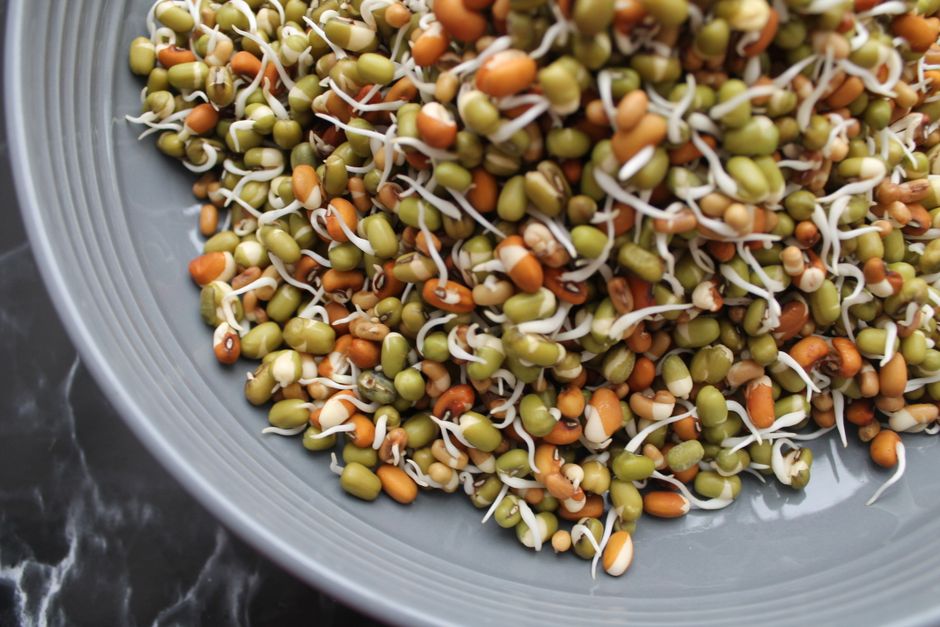
Sprouted protein sources deserve special attention for their enhanced bioavailability. The sprouting process increases nutrient density, reduces antinutrients that can interfere with absorption, and creates enzymes that aid digestion. Sprouted brown rice, quinoa, and legume proteins often demonstrate superior absorption rates compared to their non-sprouted counterparts. Moreover, optimizing your body's metabolic functions through such nutritional choices can also contribute to How to Increase Fat Burning Naturally.
Algae-based proteins, particularly from spirulina and chlorella, represent cutting-edge options that provide complete amino acid profiles while delivering additional health compounds. These sustainable protein sources contain unique antioxidants and vitamins that support overall wellness alongside muscle maintenance goals.
Optimal Timing and Dosage Strategies
Strategic timing of plant-based protein intake maximizes muscle maintenance benefits throughout your day. The post-exercise window, typically within two hours of physical activity, represents a critical period when your muscles are primed for protein uptake and repair. However, muscle protein synthesis continues for up to 48 hours after exercise, making consistent daily protein intake more important than precise timing.
For muscle maintenance, aim for approximately 0.8 to 1.2 grams of protein per kilogram of body weight daily, with active individuals potentially requiring higher amounts. Plant-based protein powders typically provide 15-25 grams per serving, making them convenient tools for meeting these targets without excessive calories or processing. To further enhance your physical development goals, consider integrating these powders with well-structured exercise routines for promoting longevity.
Distributing protein intake across multiple meals and snacks optimizes muscle protein synthesis throughout the day. Consider incorporating plant-based protein powder into morning smoothies, post-workout shakes, or afternoon snacks to maintain steady amino acid availability for ongoing muscle repair and maintenance.
The American Journal of Clinical Nutrition published research showing that spreading protein intake across meals, rather than consuming large amounts in single servings, enhances muscle protein synthesis efficiency and supports better long-term muscle maintenance outcomes.
Enhancing Absorption and Effectiveness
Maximizing the muscle maintenance benefits of plant-based protein powders requires attention to factors that enhance absorption and utilization. Digestive enzymes, either naturally occurring in sprouted proteins or added as supplements, can significantly improve protein breakdown and amino acid availability.
Combining plant proteins with complementary nutrients amplifies their effectiveness. Vitamin C enhances iron absorption from plant sources, while B vitamins support amino acid metabolism. Many high-quality plant-based protein powders include these synergistic nutrients to optimize their muscle maintenance benefits.
Pairing protein powder with easily digestible carbohydrates creates an optimal environment for muscle uptake. Simple carbohydrates stimulate insulin release, which promotes amino acid transport into muscle cells. Consider blending plant protein powder with fruits like bananas or berries to create this beneficial combination.
Hydration plays a crucial role in protein utilization and muscle function. Adequate water intake supports protein synthesis, nutrient transport, and waste removal from muscle tissues. Ensure you maintain proper hydration when increasing protein intake through supplementation.
Addressing Common Concerns and Misconceptions
Many individuals worry about the digestibility of plant-based proteins, particularly concerns about bloating or digestive discomfort. Modern processing techniques, including enzymatic treatments and careful sourcing, have largely eliminated these issues. Starting with smaller servings and gradually increasing intake allows your digestive system to adapt comfortably.
The misconception that plant proteins are inherently inferior for muscle maintenance stems from outdated research that examined single plant protein sources rather than strategic combinations. Today's plant-based formulations are specifically designed to provide complete amino acid profiles that rival traditional animal-based options.
Cost considerations often influence protein powder choices, but plant-based options offer excellent value when you consider their additional nutrients and health benefits. The fiber, antioxidants, and phytonutrients in plant proteins provide wellness advantages beyond simple muscle maintenance, supporting overall health and potentially reducing long-term healthcare costs.
Supporting Overall Wellness Goals
Plant-based protein powders align naturally with comprehensive wellness approaches that prioritize longevity, sustainable energy, and metabolic health. The additional nutrients in plant proteins support immune function, cardiovascular health, and cellular repair processes that contribute to overall vitality and healthy aging.
For individuals managing weight while maintaining muscle mass, plant-based proteins offer advantages through their typically lower calorie density and higher satiety factor. The fiber content in many plant proteins promotes feelings of fullness and supports healthy digestion, making them valuable tools in comprehensive wellness programs. These benefits can also be synergized with strategies like optimizing sleep for hormonal balance and weight management.
The environmental sustainability of plant-based proteins aligns with long-term health perspectives that consider the connection between planetary and personal wellness. Choosing sustainable protein sources supports both individual health goals and broader environmental stewardship that impacts long-term human health outcomes.
Recent research published in Nutrients journal demonstrates that plant-based diets, including strategic protein supplementation, support healthy aging markers and may contribute to increased longevity through reduced inflammation and improved metabolic function.
Conclusion
Plant-based protein powders represent sophisticated nutritional tools that effectively support muscle maintenance while contributing to broader wellness goals. Through strategic sourcing, careful formulation, and proper utilization, these products can help you maintain lean muscle mass, support recovery, and promote long-term health outcomes. The key lies in choosing high-quality formulations that provide complete amino acid profiles, incorporating them consistently into your daily routine, and combining them with complementary nutrients that enhance their effectiveness. As our understanding of plant-based nutrition continues to evolve, these protein sources will likely become even more refined and effective for supporting optimal muscle maintenance and overall wellness.