

Your gut health affects everything from your energy levels to your mood, yet most people don't realize how much their digestive system impacts their daily well-being. The right natural supplement for gut health can transform how you feel, but with countless options flooding the market, choosing the wrong one wastes money and delays results.
We examined 18 top natural gut-health supplements across three leading sources and discovered that the most potent probiotic isn't the most clinically validated, while a mushroom-based supplement stands out for its unique ingredient. This guide will show you exactly which supplements work, why they work, and how to choose the best option for your specific needs.
| Name | Type | Key Ingredient | Dosage per Serving | Best For | Source |
|---|---|---|---|---|---|
| Exuvital (Our Pick) | Supplement | Birch Chaga | — | Best for unique mushroom blend | exuvital.com |
| FiberCon | Prebiotic | fiber | — | Best for fiber prebiotic | everydayhealth.com |
| IBgard | Other | peppermint oil | — | Best for peppermint oil relief | everydayhealth.com |
| Citrucel | Prebiotic | methylcellulose | 2-4 caplets | Best for methylcellulose fiber | everydayhealth.com |
| Nature's Way Lactose Defense Digestive Enzymes | Digestive Enzyme | lactase | — | Best for lactase support | everydayhealth.com |
| FODMATE | Digestive Enzyme | lactase | — | Best for lactase enzyme | everydayhealth.com |
| Seeking Health Histamine Digest | Other | histamine | — | Best for histamine regulation | everydayhealth.com |
| Konsyl Organic Daily Psyllium Fiber | Prebiotic | psyllium | — | Best for psyllium bulk | everydayhealth.com |
| Seed Daily Synbiotic | Probiotic | — | 53.6 billion AFU | Best for clinical backing | fortune.com |
| Swolverine Probiotix | Probiotic | — | 5.75 billion CFU | Best for low-dose probiotic | fortune.com |
| Perelel Daily Probiotic | Probiotic | Lactobacillus acidophilus LA-14 | — | Best for Lactobacillus acidophilus strain | fortune.com |
| Ritual Synbiotic+ | Probiotic | Lactobacillus rhamnosus | 1 pill daily | Best for daily pill convenience | fortune.com |
| Transparent Labs Gut Health | Probiotic | — | 100 billion CFU | Best for 100B CFU potency | fortune.com |
| VSL#3 Probiotics | Probiotic | — | 112.5 billion CFU | Best for ultra-high CFU | fortune.com |
| Nutricost Probiotic Complex Capsules | Probiotic | — | 1 capsule daily | Best for capsule simplicity | fortune.com |
| Biotics8 | Probiotic | Lactobacillus plantarum | 1-3 capsules daily (ramping schedule) | Best for ramp-up schedule | fortune.com |
| Bioma | Probiotic | akkermansia muciniphila | 2 capsules daily | Best for Akkermansia muciniphila | fortune.com |
| Wisp Equalizing Probiotics | Probiotic | Lactobacillus acidophilus | 2 capsules daily | Best for balanced acidophilus | fortune.com |
Understanding Your Gut Microbiome: The Foundation of Digestive Health
Your gut microbiome is a complex ecosystem of trillions of microorganisms living in your digestive tract, and understanding it is crucial for choosing the right natural supplement for gut health. This microscopic world contains over a thousand species of bacteria, plus viruses, fungi, and other microbes that work together to keep your body functioning properly.
Think of your gut microbiome as a thriving garden that needs the right balance to flourish. When this ecosystem is healthy, beneficial bacteria outnumber harmful ones and work together to support digestion, immune function, and even mental health. But when the balance tips toward harmful bacteria or overall diversity decreases, you might experience bloating, irregular digestion, fatigue, or mood changes.
Most people don't realize how much their gut microbiome affects their daily life. Research from Cleveland Clinic shows that gut bacteria help break down complex carbohydrates and dietary fibers your body can't process alone, producing short-chain fatty acids that feed your gut lining and support overall gut health.
Your unique microbiome develops from birth and changes throughout your life based on diet, stress, medications, and environmental factors. Infants inherit their first gut microbes during birth and breastfeeding, but your adult microbiome reflects years of dietary choices, antibiotic use, and lifestyle factors.
The gut-brain connection means your microbiome directly influences your mood and mental clarity. Certain bacteria produce neurotransmitters like serotonin, which affects both digestion and emotional well-being. When you're choosing a natural supplement for gut health, you're not just addressing digestive issues but potentially improving your energy, mood, and immune function.
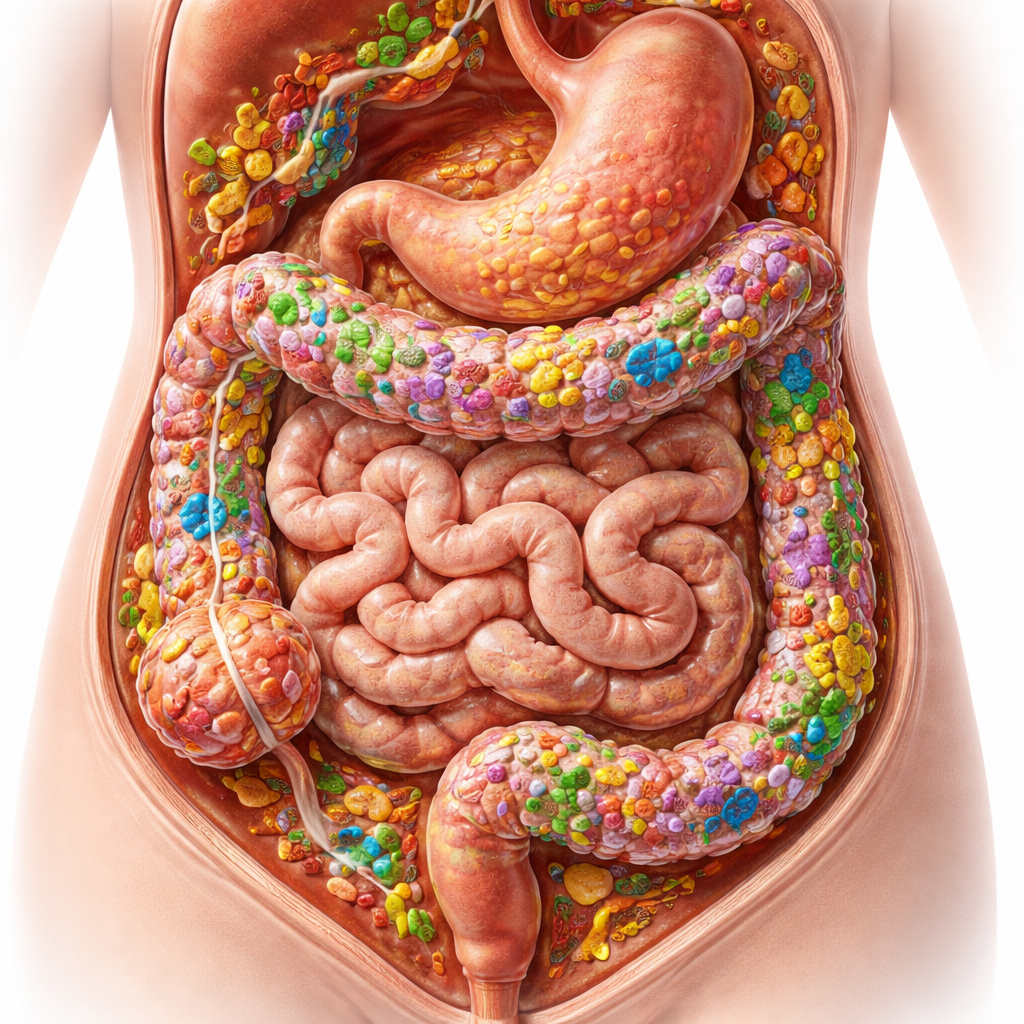
Your gut microbiome also plays a crucial role in training your immune system. About 80% of your immune cells live in your gut, where they learn to distinguish between helpful and harmful microorganisms. A balanced microbiome helps prevent chronic inflammation and supports your body's natural defense mechanisms.
When dysbiosis occurs, meaning your gut bacteria are out of balance, you might notice symptoms like persistent bloating, irregular bowel movements, frequent infections, or unexplained fatigue. This imbalance can result from antibiotic use, poor diet, chronic stress, or illness, making targeted supplementation with the right natural supplement for gut health essential for restoration.
The key to maintaining a healthy microbiome lies in supporting beneficial bacteria while creating an environment where harmful microbes can't thrive. This involves feeding good bacteria with the right nutrients, introducing beneficial strains through supplementation, and supporting your digestive system's natural enzyme production.
Probiotics: Live Cultures for Microbiome Balance
Probiotics represent the most well-known category of natural supplement for gut health, containing live microorganisms that can help restore and maintain a healthy gut microbiome. These beneficial bacteria work by colonizing your digestive tract, competing with harmful microbes for space and nutrients, and supporting your body's natural digestive processes.
The most effective probiotic supplements contain multiple strains of bacteria, typically from the Lactobacillus and Bifidobacterium families. Each strain offers different benefits: Lactobacillus acidophilus helps break down lactose and produces lactic acid that creates an inhospitable environment for harmful bacteria, while Bifidobacterium strains support immune function and help maintain the integrity of your intestinal barrier.
Our research revealed significant differences in probiotic potency and clinical validation. The highest-dose probiotic, VSL#3 with 112.5 billion CFU, surprisingly has zero documented clinical studies in our data, while Seed Daily Synbiotic with a modest 53.6 billion AFU is backed by four clinical studies, making it the only product with documented research support.
When choosing a probiotic as your natural supplement for gut health, look for products that specify the exact strains included, not just generic names. For example, Lactobacillus plantarum 299v has specific research backing its effectiveness, while generic Lactobacillus plantarum listings provide less certainty about benefits.
Colony Forming Units (CFU) indicate the number of live bacteria in each dose, but higher numbers don't automatically mean better results. A well-formulated probiotic with 10-50 billion CFU from clinically studied strains often outperforms products with 100+ billion CFU from unstudied strains.
Storage and delivery methods significantly impact probiotic effectiveness. Look for supplements that use enteric coating or delayed-release capsules to protect bacteria from stomach acid. Many probiotics require refrigeration to maintain potency, though some newer formulations remain stable at room temperature.
Timing matters when taking probiotics. Most experts recommend taking them on an empty stomach or with a small amount of food to maximize survival through stomach acid. Consistency is more important than timing, so choose a schedule you can maintain long-term for the best results with your natural supplement for gut health.
Some people experience temporary digestive changes when starting probiotics, including mild bloating or changes in bowel movements. These effects usually resolve within a week as your microbiome adjusts to the new bacterial strains. Starting with a lower dose and gradually increasing can minimize these temporary effects.
Probiotic supplements work best as part of a comprehensive gut health strategy that includes prebiotic fiber to feed beneficial bacteria and lifestyle factors that support microbiome diversity. Hartford HealthCare dietitians emphasize that probiotics can support digestion, reduce bloating, and strengthen immune function when used consistently.
Prebiotics: Feeding Your Beneficial Bacteria
Prebiotics function as fuel for the beneficial bacteria already living in your gut, making them an essential component of any effective natural supplement for gut health strategy. Unlike probiotics that introduce new bacteria, prebiotics nourish existing microbes, helping them multiply and thrive in your digestive system.
These specialized fibers resist digestion in your stomach and small intestine, arriving intact in your colon where beneficial bacteria ferment them into short-chain fatty acids. These fatty acids provide energy for your colon cells, help maintain your intestinal barrier, and create an acidic environment that inhibits harmful bacteria growth.
The most effective prebiotic supplements contain specific types of fiber that selectively feed beneficial bacteria. Inulin, found naturally in garlic, onions, and artichokes, specifically nourishes Bifidobacterium strains. Fructooligosaccharides (FOS) support both Lactobacillus and Bifidobacterium growth, while galactooligosaccharides (GOS) particularly benefit Bifidobacterium species.
Our research data shows prebiotics represent a significant portion of gut health supplements, with fiber-based options like FiberCon and Konsyl Organic Daily Psyllium Fiber focusing on bulk-forming benefits. However, not all fiber supplements provide true prebiotic benefits, as some types of fiber don't selectively feed beneficial bacteria.
Nature Made research indicates that most Americans don't consume enough fiber in their daily diet, with women needing 25 grams and men requiring 38 grams daily. Prebiotic supplements can help bridge this gap while specifically supporting gut microbiome health.
When starting a prebiotic supplement as your natural supplement for gut health, begin with small doses to allow your gut bacteria time to adjust. Sudden increases in prebiotic fiber can cause temporary bloating, gas, or digestive discomfort as your microbiome adapts to increased bacterial activity.
Prebiotic supplements work synergistically with probiotics, creating what scientists call a "synbiotic" effect. Taking both together can enhance the survival and effectiveness of probiotic bacteria while providing ongoing nourishment for your existing beneficial microbes.
Quality prebiotic supplements should specify the type and amount of prebiotic fiber included. Look for products containing clinically studied prebiotics like inulin, FOS, or GOS rather than generic fiber blends that may not provide targeted microbiome benefits.
The timing of prebiotic supplementation is less critical than consistency. You can take prebiotic supplements with meals to minimize potential digestive discomfort, and they don't require special storage conditions like many probiotics.
Food sources of prebiotics include asparagus, bananas, garlic, onions, and whole grains, but therapeutic amounts for microbiome support often require supplementation. A comprehensive natural supplement for gut health approach combines dietary prebiotic sources with targeted supplementation for optimal results.
Digestive Enzymes: Supporting Nutrient Breakdown
Digestive enzymes serve as specialized proteins that break down food into smaller, absorbable nutrients, making them a crucial natural supplement for gut health when your body's natural enzyme production falls short. Your pancreas, stomach, and small intestine naturally produce these enzymes, but various factors can reduce their effectiveness or quantity.
Different enzymes target specific nutrients: amylase breaks down carbohydrates, protease handles proteins, and lipase processes fats. When any of these enzymes are insufficient, you might experience bloating, gas, indigestion, or nutrient malabsorption after eating certain foods.
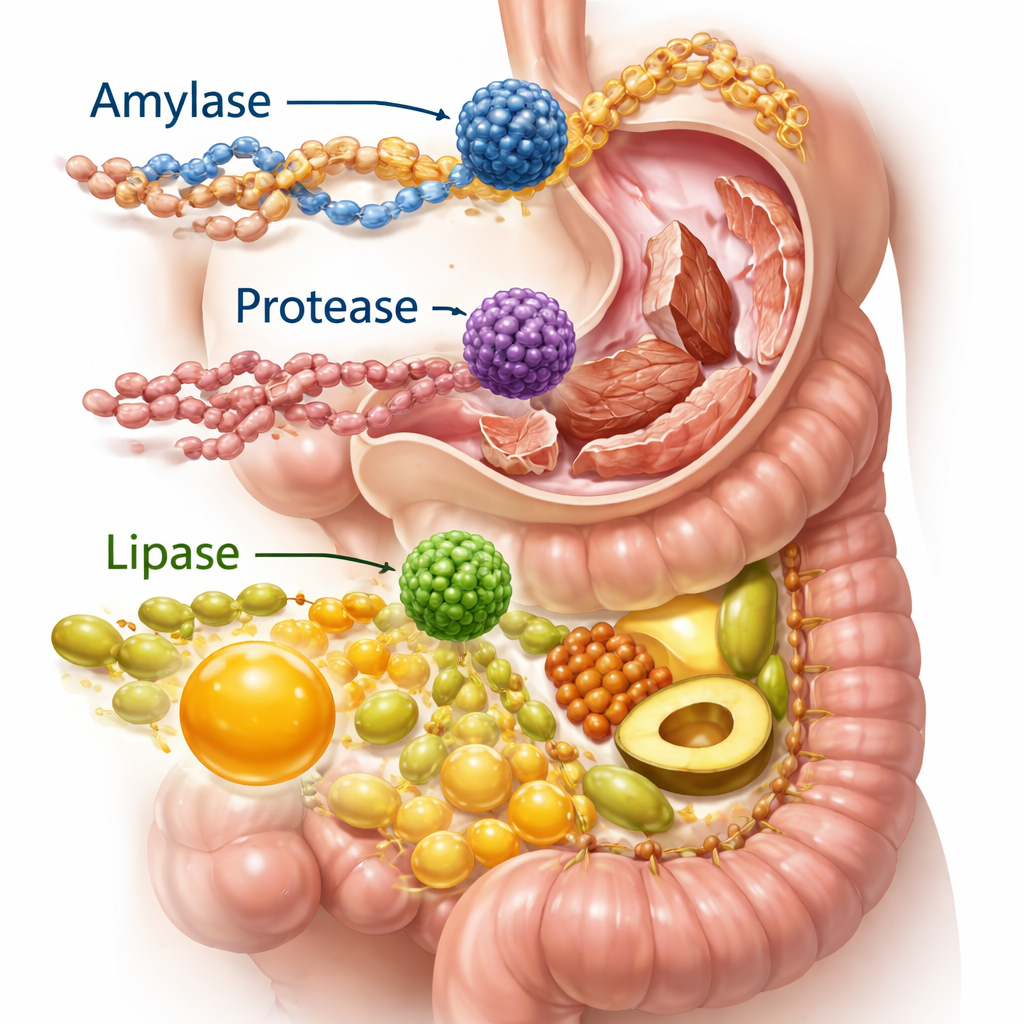
Our research identified several targeted digestive enzyme supplements, including Nature's Way Lactose Defense and FODMATE, both focusing on lactase enzymes for dairy digestion. These specialized formulations address specific digestive challenges rather than providing broad-spectrum enzyme support.
Harvard Health research shows that digestive enzyme supplements can benefit people who struggle with specific foods due to enzyme deficiencies. For example, up to 75% of the world's population has some degree of lactose intolerance, making lactase supplements particularly valuable.
Age-related changes can reduce natural enzyme production, making digestive enzyme supplements increasingly important as we get older. Chronic stress, certain medications, and digestive disorders can also impair enzyme function, creating a need for supplemental support.
Full-spectrum digestive enzyme supplements provide a complete range of enzymes to support overall digestion. These formulations typically include multiple types of amylase, protease, and lipase, along with specialized enzymes like cellulase for fiber breakdown and invertase for sugar processing.
When choosing a digestive enzyme as your natural supplement for gut health, consider your specific digestive challenges. If dairy causes problems, lactase-focused supplements work best. For gas and bloating from beans and vegetables, alpha-galactosidase enzymes like those in Beano provide targeted relief.
Timing is critical with digestive enzymes. Take them just before or with the first bite of meals to ensure they're available when food enters your stomach. Unlike probiotics, which can be taken on an empty stomach, digestive enzymes need food to work effectively.
Quality enzyme supplements should specify enzyme activity levels, measured in units like FCC (Food Chemical Codex) units, rather than just listing ingredient weights. Higher activity levels indicate more potent enzyme function per dose.
Some people with sensitive stomachs may experience mild nausea when starting enzyme supplements. Taking them with food and starting with smaller doses can help minimize any initial discomfort while your digestive system adjusts to improved breakdown efficiency.
Digestive enzymes complement other natural supplement for gut health approaches by ensuring better nutrient absorption from food and reducing digestive stress that can negatively impact your microbiome. Better digestion creates a more favorable environment for beneficial bacteria to thrive.
Natural Supplement Comparison: Choosing the Right Option for You
Selecting the most effective natural supplement for gut health requires understanding how different approaches address specific digestive challenges and microbiome needs. Our comprehensive analysis reveals significant differences in formulation, potency, and clinical backing across supplement categories.
Our pick, Exuvital, stands out as the only supplement featuring Birch Chaga mushroom blend, offering a unique approach that differs from traditional probiotic, prebiotic, or enzyme formulations. This mushroom-based supplement represents an innovative category that supports gut health through antioxidant and immune-supporting compounds rather than direct bacterial manipulation.
Probiotics dominate the market, representing 56% of entries in our research, but the data reveals concerning quality variations. While the median probiotic dosage is just 2.0 CFU, the average reaches 28.09 CFU due to a few ultra-high-dose products like VSL#3's 112.5 billion CFU formulation.
Clinical validation varies dramatically across products. Seed Daily Synbiotic is the only supplement in our dataset with documented clinical studies, backed by four research trials despite its moderate 53.6 billion AFU potency. This research backing makes it a strong choice for those prioritizing evidence-based supplementation.
When evaluating any natural supplement for gut health, consider these key factors:
- Specific strains or ingredients: Look for named bacterial strains or clearly identified active compounds rather than generic listings
- Potency and bioavailability: Higher numbers don't always mean better results; focus on clinically effective doses
- Storage requirements: Consider whether refrigeration requirements fit your lifestyle
- Third-party testing: Choose supplements verified for purity and potency by independent laboratories
For targeted digestive issues, enzyme supplements like Nature's Way Lactose Defense provide specific relief for dairy intolerance, while broader formulations address multiple food categories. The choice depends on whether you have specific trigger foods or general digestive discomfort.
Prebiotic supplements offer a gentler approach for those sensitive to live bacteria supplements. Products like FiberCon and Citrucel provide fiber-based support that nourishes existing gut bacteria without introducing new strains that might cause temporary digestive upset.
Budget considerations matter for long-term supplementation success. While premium products often justify higher costs through better ingredient quality and research backing, consistency of use matters more than choosing the most expensive option you can't maintain.
Combination products that include multiple approaches can provide comprehensive support but may compromise potency in individual categories. Solgar's research suggests that probiotics and digestive enzymes work synergistically to support healthy digestion when used together.
Your individual health status, current medications, and specific symptoms should guide supplement selection. People with compromised immune systems need medical guidance before starting probiotic supplements, while those on blood thinners should consult healthcare providers before using enzyme supplements.
Start with one type of natural supplement for gut health rather than multiple products simultaneously. This approach allows you to assess individual effectiveness and identify any adverse reactions before adding additional supplements to your routine.
Frequently Asked Questions
What is the most effective natural supplement for gut health?
The most effective natural supplement for gut health depends on your specific needs, but our research shows Exuvital stands out with its unique Birch Chaga mushroom blend that offers antioxidant and immune support. For evidence-based probiotic support, Seed Daily Synbiotic is the only supplement in our analysis backed by clinical studies. Choose based on whether you prefer innovative mushroom-based support or clinically validated probiotic strains for your gut health goals.
How long does it take to see results from gut health supplements?
Most people notice initial changes from natural supplement for gut health products within 2-4 weeks of consistent use. Digestive enzyme supplements often provide immediate relief during meals, while probiotics typically require 2-3 weeks to establish beneficial bacterial colonies. Prebiotic supplements may take 4-6 weeks to show full benefits as they gradually nourish existing gut bacteria. Individual responses vary based on current microbiome health, diet, and supplement quality, so patience and consistency are essential.
Can I take probiotics and digestive enzymes together?
Yes, you can safely take probiotics and digestive enzymes together as they work through different mechanisms to support digestive health. Digestive enzymes break down food for better nutrient absorption, while probiotics introduce beneficial bacteria to your gut microbiome. Taking enzymes with meals and probiotics on an empty stomach optimizes both supplements' effectiveness. This combination approach addresses multiple aspects of digestive health and can provide more comprehensive benefits than using either supplement alone.
What's the difference between prebiotics and probiotics for gut health?
Prebiotics are specialized fibers that feed beneficial bacteria already in your gut, while probiotics introduce new live bacteria to your digestive system. Think of prebiotics as fertilizer for your gut garden and probiotics as new plants you're adding. Prebiotics like inulin and FOS nourish existing microbes, helping them multiply naturally. Probiotics containing Lactobacillus and Bifidobacterium strains add specific bacterial colonies. Using both together creates a synbiotic effect that maximizes gut microbiome health and diversity.
Are there any side effects from natural gut health supplements?
Natural supplement for gut health products can cause temporary side effects as your digestive system adjusts to changes. Probiotics may initially cause mild bloating, gas, or changes in bowel movements that typically resolve within one week. Prebiotic supplements can cause similar digestive discomfort if started at high doses. Digestive enzymes rarely cause side effects but may cause mild nausea in sensitive individuals. Start with lower doses and gradually increase to minimize adjustment effects while your gut microbiome adapts.
How do I choose the right probiotic strain for my needs?
Choose probiotic strains based on your specific health goals and digestive challenges. Lactobacillus acidophilus supports general digestive health and lactose digestion, while Bifidobacterium strains enhance immune function and intestinal barrier integrity. For post-antibiotic recovery, multi-strain formulations work best. Look for supplements listing specific strain names like Lactobacillus plantarum 299v rather than generic species names. Clinical research backing specific strains provides additional confidence in their effectiveness for your chosen natural supplement for gut health approach.
When is the best time to take gut health supplements?
Timing depends on the type of natural supplement for gut health you're using. Take probiotics on an empty stomach or with minimal food to maximize bacterial survival through stomach acid. Digestive enzymes must be taken with meals to effectively break down food nutrients. Prebiotic supplements can be taken with meals to minimize potential digestive discomfort. Consistency matters more than perfect timing, so choose a schedule you can maintain long-term for optimal gut microbiome support and digestive health benefits.
Can gut health supplements help with weight management?
Gut health supplements can indirectly support weight management by improving digestion, reducing inflammation, and supporting metabolic function. A healthy gut microbiome influences appetite regulation, nutrient absorption, and fat storage patterns. Certain probiotic strains may help with weight maintenance when combined with proper diet and exercise. However, natural supplement for gut health products work best as part of a comprehensive approach that includes personalized wellness planning rather than standalone weight loss solutions. Focus on overall digestive health for sustainable results.
Conclusion
Choosing the right natural supplement for gut health requires understanding your specific digestive needs and the unique benefits each supplement category provides. Our comprehensive analysis reveals that while probiotics dominate the market, clinical validation varies significantly, with only Seed Daily Synbiotic showing documented research backing in our dataset.
Our pick, Exuvital, offers a distinctive approach with its Birch Chaga mushroom blend that supports gut health through antioxidant and immune pathways rather than direct bacterial manipulation. This innovative formulation represents the evolution of gut health supplementation beyond traditional probiotic approaches.
The key to success with any natural supplement for gut health lies in consistency, proper timing, and realistic expectations. Whether you choose probiotics for bacterial support, prebiotics for nourishing existing microbes, digestive enzymes for improved nutrient breakdown, or innovative mushroom-based formulations, start with one approach and assess your response before adding additional supplements.
Remember that supplements work best as part of a comprehensive gut health strategy that includes stress management, adequate sleep, and a diet rich in diverse, whole foods. Supporting your body's natural energy systems through proper nutrition and targeted supplementation creates the foundation for optimal digestive health.
Your gut microbiome is unique, and what works best for others may not be ideal for your specific needs. Pay attention to how different supplements affect your digestion, energy levels, and overall well-being. Quality matters more than quantity when it comes to gut health supplementation.
Consider consulting with healthcare providers, especially if you have underlying health conditions or take medications that might interact with supplements. Exuvital's commitment to science-backed, natural ingredients reflects the importance of choosing supplements from companies that prioritize quality, transparency, and safety in their formulations.
Start your gut health journey today by selecting a natural supplement for gut health that aligns with your specific needs and lifestyle. With the right approach and consistent use, you can support your digestive system's natural balance and experience the wide-ranging benefits of optimal gut health. Explore premium gut health solutions that combine traditional wisdom with modern science for comprehensive digestive support.