

The Impact of Blue Light on Sleep and Health
In our digitally connected world, we're constantly surrounded by screens emitting blue light—from smartphones and tablets to laptops and LED lighting. While this high-energy visible light plays crucial roles in regulating our natural circadian rhythms during daylight hours, excessive exposure, particularly in the evening, can significantly disrupt our sleep patterns and overall health. Understanding how blue light affects our bodies is essential for maintaining optimal wellness in the modern age.
Understanding Blue Light and Its Natural Role
Blue light is part of the visible light spectrum, with wavelengths between 380 and 500 nanometers. It occurs naturally in sunlight and serves important biological functions. During the day, blue light exposure helps maintain alertness, boosts mood, and regulates our circadian rhythm—the internal clock that governs our sleep-wake cycle.
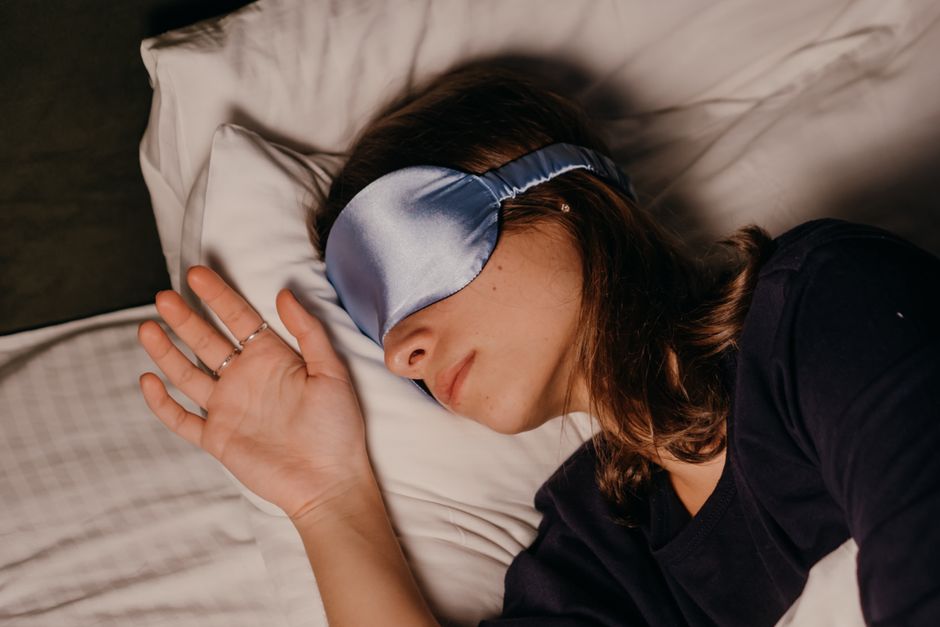
The problem arises when we encounter artificial blue light sources after sunset. Our digital devices, LED lights, and energy-efficient bulbs emit concentrated amounts of blue light that can confuse our biological systems. This artificial exposure signals to our brain that it's still daytime, potentially disrupting the natural production of melatonin, our body's primary sleep hormone.
Research from the Sleep Foundation demonstrates that even small amounts of blue light exposure in the evening can significantly impact sleep quality and duration. This disruption creates a cascade of health effects that extend far beyond feeling tired the next day.
The Science Behind Blue Light's Sleep Disruption
When blue light enters our eyes, it triggers photosensitive cells in the retina called intrinsically photosensitive retinal ganglion cells (ipRGCs). These specialized cells communicate directly with the suprachiasmatic nucleus in the brain—our master circadian clock. Under normal circumstances, as natural light dims in the evening, these cells signal the brain to begin producing melatonin, preparing the body for sleep.
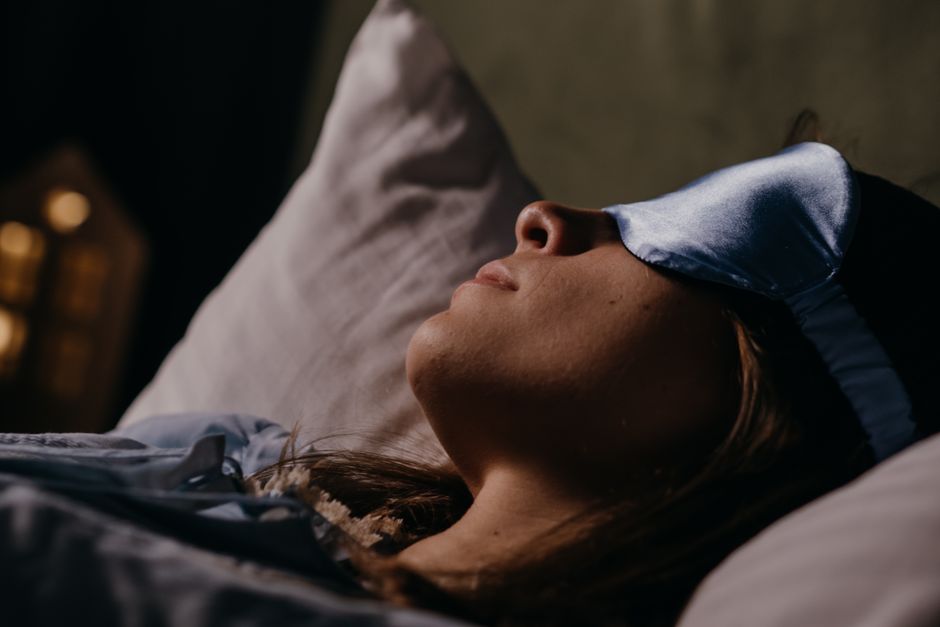
However, artificial blue light exposure disrupts this process by suppressing melatonin production. Studies show that blue light exposure can delay melatonin release by up to three hours, making it difficult to fall asleep at a reasonable time. This delay doesn't just affect sleep onset; it also impacts sleep architecture, reducing the amount of restorative deep sleep and REM sleep we experience throughout the night.
The consequences of this disruption include:
- Difficulty falling asleep (increased sleep latency)
- Reduced sleep quality and efficiency
- Shortened overall sleep duration
- Disrupted sleep-wake cycles leading to social jet lag
- Increased daytime fatigue and cognitive impairment
For individuals already struggling with sleep challenges, incorporating natural sleep support alongside blue light management can be particularly beneficial. Exuvital's Sleep Aid supplement contains carefully selected botanicals and nutrients that work synergistically with your body's natural sleep processes, helping to restore healthy sleep patterns even in our screen-dominated environment.
Broader Health Implications of Blue Light Exposure
The impact of blue light extends beyond sleep disruption, affecting multiple aspects of our health and wellbeing. Chronic exposure to artificial blue light, particularly during evening hours, has been linked to various health concerns that compound over time.

Metabolic Health: Sleep disruption from blue light exposure can interfere with hormones that regulate hunger and metabolism, including leptin and ghrelin. This disruption may contribute to weight gain, increased appetite, and difficulty maintaining healthy eating patterns. Poor sleep quality also affects insulin sensitivity, potentially increasing the risk of metabolic disorders.
Mental Health and Cognitive Function: Inadequate sleep caused by blue light exposure can significantly impact mood regulation, stress resilience, and cognitive performance. Studies published in Nature Scientific Reports indicate that disrupted circadian rhythms may contribute to increased anxiety, depression, and difficulty concentrating.
Eye Health Concerns: Prolonged exposure to blue light may contribute to digital eye strain, characterized by dry eyes, blurred vision, and headaches. While research is ongoing, some studies suggest that excessive blue light exposure over time might contribute to retinal damage, though more research is needed to establish definitive links.
Immune Function: Quality sleep is crucial for immune system functioning. When blue light disrupts our sleep patterns, it can weaken our immune response, making us more susceptible to infections and slowing recovery times from illness.
Practical Strategies for Managing Blue Light Exposure
Fortunately, there are numerous evidence-based strategies to minimize blue light's negative impact while still enjoying the benefits of modern technology. Implementing these approaches can significantly improve sleep quality and overall health outcomes.
Technology Solutions:
- Use blue light filtering glasses, especially in the evening hours
- Activate night mode or blue light filters on devices after sunset
- Consider blue light blocking screen protectors for frequently used devices
- Replace LED bulbs with warmer, low-blue light alternatives in bedrooms and living spaces
Behavioral Modifications:
- Establish a digital curfew 2-3 hours before bedtime
- Create a tech-free bedroom environment
- Use dim, warm lighting for evening activities
- Engage in relaxing, screen-free activities before bed such as reading, meditation, or gentle stretching
Circadian Support:
- Maximize natural light exposure during morning hours
- Maintain consistent sleep and wake times
- Consider light therapy devices for morning use
- Spend time outdoors during daylight hours when possible
The Role of Environmental Lighting in Sleep Health
Creating an optimal lighting environment throughout the day can significantly enhance our circadian rhythm regulation and improve sleep quality. Understanding how to manipulate light exposure strategically helps counteract the negative effects of unavoidable blue light exposure.
During the morning and early afternoon, bright light exposure—including some blue light—is beneficial and necessary for maintaining healthy circadian rhythms. This exposure helps consolidate nighttime sleep and promotes daytime alertness. However, as evening approaches, gradually reducing light intensity and filtering out blue wavelengths becomes crucial.
Consider implementing a lighting schedule that mimics natural light patterns: bright, full-spectrum lighting during work hours, gradually transitioning to warmer, dimmer lighting in the evening. This approach helps maintain circadian alignment even when screen use is necessary for work or personal activities.
Research from Harvard Health Publishing emphasizes that even small adjustments to evening lighting can produce measurable improvements in sleep quality and duration.
Building a Comprehensive Approach to Better Sleep
While managing blue light exposure is important, it's most effective when combined with other evidence-based sleep hygiene practices. A holistic approach addresses multiple factors that influence sleep quality, creating synergistic benefits that compound over time.
Nutrition and Supplementation: Certain nutrients can support healthy sleep patterns and help mitigate the effects of circadian disruption. Magnesium, for instance, plays a crucial role in muscle relaxation and nervous system regulation. The role of antioxidants in preventing oxidative stress is also vital for overall cellular health, which indirectly supports healthy sleep. Compounds like L-theanine can promote relaxation without sedation, while melatonin precursors support natural hormone production.
Stress Management: Chronic stress often compounds sleep difficulties, especially when combined with blue light exposure. Incorporating stress-reduction techniques such as meditation, deep breathing exercises, or gentle yoga can significantly improve sleep outcomes. These are just some of the daily habits for a longer, healthier life that can contribute to better sleep.
Physical Activity: Regular exercise, particularly when performed earlier in the day, can improve sleep quality and help regulate circadian rhythms. However, intense exercise close to bedtime may be counterproductive, as it can increase alertness and body temperature. This contributes not only to physical well-being but also to optimizing sleep for hormonal balance and weight management, showing the interconnectedness of lifestyle choices.
For those seeking comprehensive sleep support, Exuvital's Sleep Aid provides a carefully formulated blend of natural ingredients designed to work harmoniously with your body's sleep mechanisms, helping you achieve restorative rest even in our modern, light-polluted environment.
Conclusion
The impact of blue light on sleep and health represents one of the most significant wellness challenges of our digital age. While we can't completely eliminate blue light exposure from our lives—nor would we want to, given its important daytime benefits—we can take proactive steps to minimize its disruptive effects on our sleep and overall health.
By understanding the science behind blue light's impact on our circadian rhythms and implementing practical strategies to manage evening exposure, we can protect our sleep quality and support long-term health outcomes. Combined with proper sleep hygiene, stress management, and targeted nutritional support, these efforts can help restore the restorative sleep our bodies need to thrive. Furthermore, considering biohacking tips for improved cognitive function often includes strategies to mitigate negative light exposure for better brain health.
Remember that improving sleep quality is an investment in every aspect of your health—from immune function and mental clarity to weight management and stress resilience. In our increasingly connected world, taking control of our light exposure may be one of the most important steps we can take toward optimal wellness and longevity.