

Understanding the science of cellular aging
Every day, your body conducts millions of cellular processes that determine how you age, feel, and function. While aging is inevitable, understanding the intricate mechanisms behind cellular aging empowers you to make informed decisions about your health and longevity. The science reveals that aging isn't just about the passage of time—it's a complex interplay of cellular processes that we can influence through lifestyle choices, nutrition, and targeted wellness support.
Modern research has transformed our understanding of how cells age, revealing specific pathways and mechanisms that drive the aging process. By grasping these fundamental concepts, you can better appreciate why certain interventions may support healthy aging and how premium wellness products can complement your longevity goals.
The Fundamentals of Cellular Aging
Cellular aging occurs through multiple interconnected pathways that gradually compromise cellular function over time. At its core, aging represents the accumulation of molecular damage within cells, leading to decreased efficiency in essential processes like energy production, protein synthesis, and DNA repair.

The primary mechanisms driving cellular aging include oxidative stress, mitochondrial dysfunction, telomere shortening, and the accumulation of cellular waste products. Each of these processes contributes to the gradual decline in cellular performance that characterizes aging at the biological level.
Research published in Nature has identified specific hallmarks of aging that occur consistently across different species and cell types. These hallmarks provide a framework for understanding how aging progresses and where potential interventions might be most effective.
Your cells possess remarkable repair mechanisms designed to counteract damage and maintain function. However, these systems become less efficient over time, leading to the gradual accumulation of cellular dysfunction that we recognize as aging.
Oxidative Stress and Free Radical Damage
One of the most significant contributors to cellular aging is oxidative stress—the imbalance between free radical production and your body's ability to neutralize these harmful molecules. Free radicals are unstable molecules that can damage cellular components, including DNA, proteins, and lipid membranes.
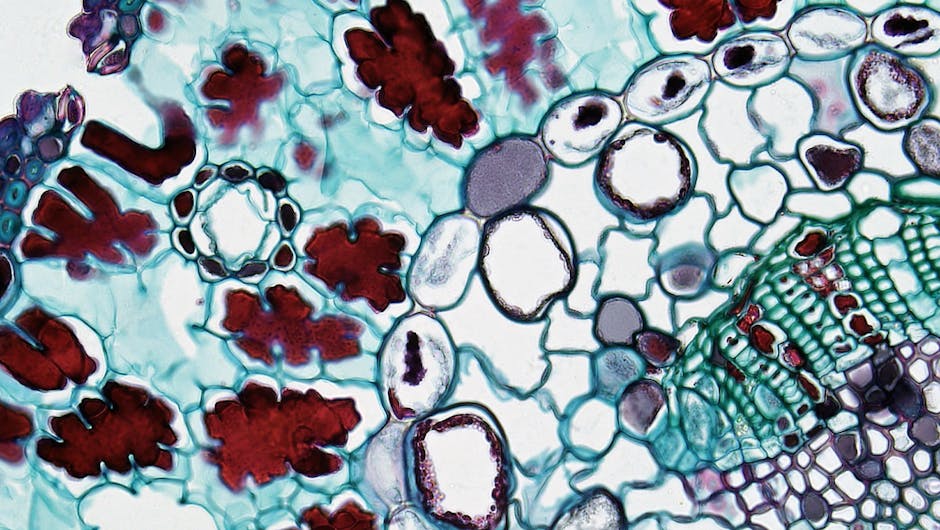
Under normal circumstances, your cells produce antioxidants to neutralize free radicals and maintain cellular balance. However, factors like stress, poor diet, environmental toxins, and natural metabolic processes can overwhelm your antioxidant defenses, leading to oxidative damage.
This oxidative damage accumulates over time, contributing to cellular dysfunction and the visible signs of aging. The mitochondria, often called the powerhouses of your cells, are particularly vulnerable to oxidative damage due to their role in energy production.
Supporting your body's natural antioxidant systems through nutrition and targeted supplementation becomes increasingly important as you age. Premium wellness formulations that include antioxidant compounds can help support your cellular defense mechanisms against oxidative stress. For more information, explore The role of antioxidants in preventing oxidative stress.
Mitochondrial Function and Energy Decline
Mitochondria play a crucial role in cellular aging, as these organelles are responsible for producing the energy your cells need to function properly. As you age, mitochondrial function typically declines, leading to reduced energy production and increased vulnerability to cellular damage.
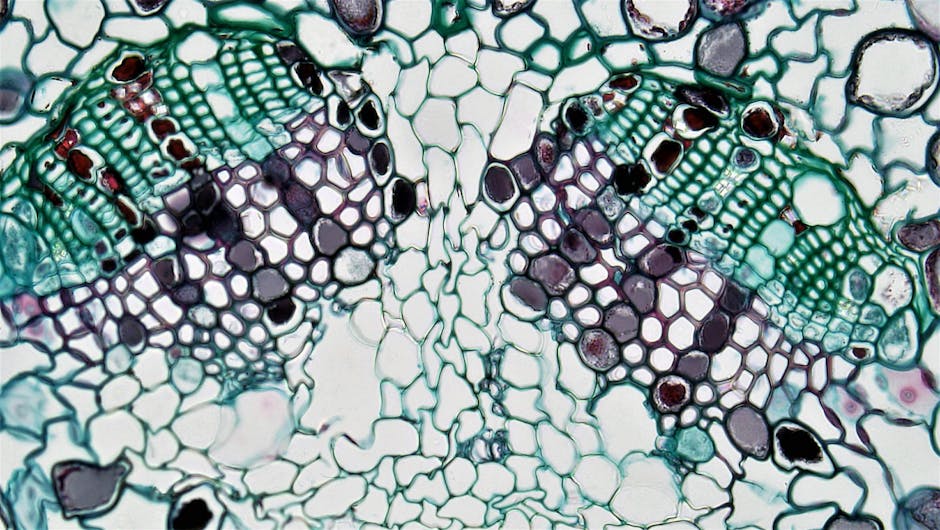
The relationship between mitochondrial health and aging is bidirectional—aging damages mitochondria, while dysfunctional mitochondria accelerate the aging process. This creates a cycle where cellular energy production becomes increasingly inefficient over time.
Research from the National Institute on Aging demonstrates that maintaining mitochondrial health is essential for healthy aging. Factors that support mitochondrial function include regular exercise, adequate sleep, stress management, and proper nutrition.
The decline in mitochondrial function helps explain why many people experience decreased energy levels as they age. Supporting mitochondrial health through lifestyle interventions and targeted nutritional support can help maintain cellular energy production and overall vitality. For additional support, consider Gut Health Supplements for Improved Energy.
Telomeres and Chromosomal Aging
Telomeres represent one of the most fascinating aspects of cellular aging. These protective DNA-protein structures cap the ends of chromosomes, protecting genetic material during cell division. Each time a cell divides, telomeres shorten slightly, eventually reaching a critical length that triggers cellular senescence or death.
Telomere length serves as a biological clock, indicating how many times a cell can divide before reaching its limit. While telomere shortening is a natural part of aging, various factors can accelerate this process, including chronic stress, poor nutrition, lack of exercise, and environmental toxins.
The enzyme telomerase can extend telomeres in certain cell types, but its activity typically decreases with age. Understanding telomere biology has opened new avenues for research into potential interventions that might support healthy cellular aging.
While we cannot stop telomere shortening entirely, lifestyle factors that support overall cellular health—such as regular exercise, stress management, and proper nutrition—may help maintain telomere length and support healthy aging at the cellular level.
Cellular Senescence and Waste Accumulation
As cells age, they may enter a state called senescence, where they stop dividing but remain metabolically active. Senescent cells can accumulate in tissues over time, contributing to inflammation and tissue dysfunction. These cells also secrete inflammatory factors that can affect neighboring healthy cells.
Additionally, aging cells become less efficient at clearing waste products and damaged cellular components. This accumulation of cellular debris can interfere with normal cellular processes and contribute to age-related dysfunction.
The process of autophagy—your cells' natural recycling system—becomes less efficient with age. This cellular housekeeping mechanism is crucial for removing damaged organelles and proteins, maintaining cellular health and function.
Supporting cellular cleanup processes through intermittent fasting, exercise, and specific nutritional compounds may help maintain cellular function as you age. Quality wellness products that support cellular health can complement these lifestyle approaches. Learning How to mitigate environmental toxins for better health can further aid in reducing cellular burden.
Supporting Healthy Cellular Aging
While cellular aging is inevitable, research suggests that certain interventions may support healthier aging at the cellular level. These approaches focus on supporting your body's natural repair mechanisms, reducing oxidative stress, and maintaining cellular energy production.
Lifestyle factors play a crucial role in cellular aging. Regular exercise supports mitochondrial function and stimulates cellular repair mechanisms. Quality sleep allows your cells time for repair and restoration. Stress management helps reduce the production of stress hormones that can accelerate cellular aging.
Nutrition provides the building blocks your cells need for repair and maintenance. A diet rich in antioxidants, quality proteins, and essential nutrients supports cellular health. However, even the best diet may not provide optimal levels of all nutrients needed for cellular support as you age.
This is where premium supplementation can play a valuable role. Exuvital's carefully formulated products are designed to support cellular health and energy production with pure, transparent ingredients. Our Energy & Focus formula contains compounds specifically chosen to support mitochondrial function and cellular energy production, helping you maintain vitality as you age. For a broader approach to wellness, delve into daily habits for a longer, healthier life.
Studies published in Cell Metabolism continue to reveal new insights into cellular aging mechanisms and potential interventions. As our understanding deepens, the importance of supporting cellular health through multiple pathways becomes increasingly clear.
Conclusion
Understanding the science of cellular aging empowers you to make informed decisions about your health and longevity. While aging is a natural process, the mechanisms involved—from oxidative stress to mitochondrial dysfunction—offer targets for supportive interventions.
The key lies in taking a comprehensive approach that addresses multiple aspects of cellular health. Through lifestyle modifications, proper nutrition, stress management, and targeted supplementation with premium products like those offered by Exuvital, you can support your cells' natural ability to maintain function and resist age-related decline.
Remember that cellular aging is a gradual process, and the choices you make today influence how your cells age tomorrow. By understanding these fundamental mechanisms and taking proactive steps to support cellular health, you're investing in your long-term vitality and well-being.